For many Newcastle motorists, the town’s deteriorating roads are no longer simply a daily frustration. They have become an unplanned financial burden, with local repair businesses reporting a steady stream of damaged tyres, suspension problems, wheel alignment issues and insurance-related claims linked directly to poor road conditions.
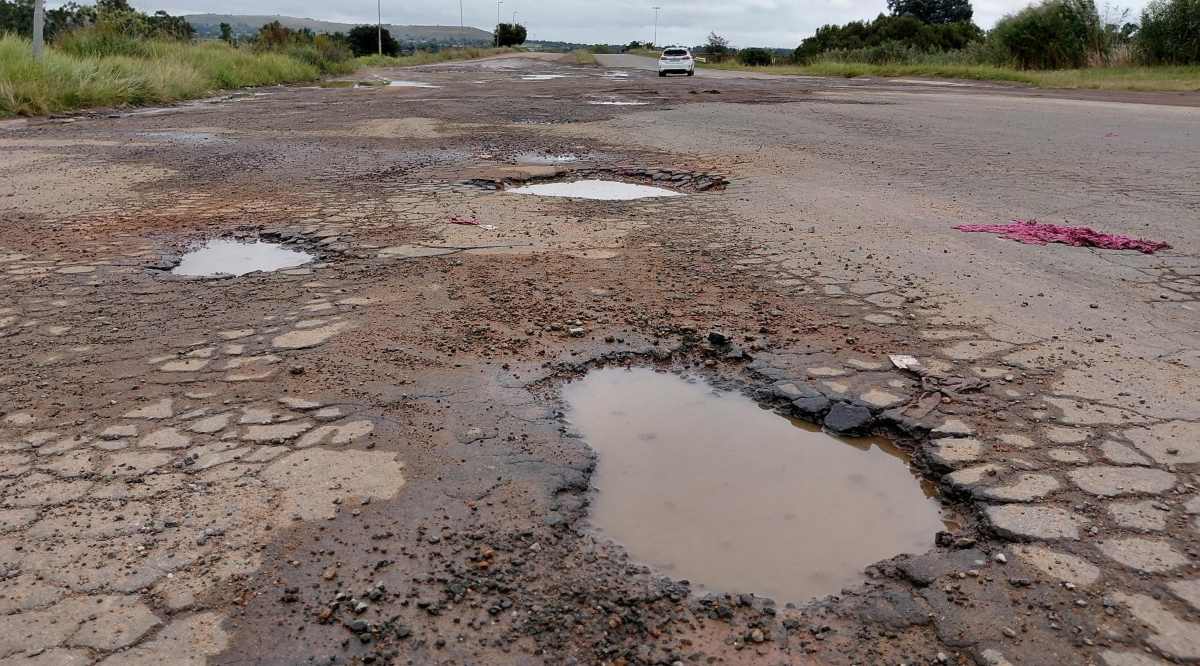
From Marconi Drive in Newcastle’s Industrial Area to Tielman Roos Lane in Barry Hertzog Park, residents are navigating roads increasingly marked by potholes, uneven surfaces and incomplete repair work.
PAID ADVERTISING
While public-sector assurances around a “war on potholes” continue to be made, the daily reality on Newcastle’s streets is being felt most clearly at workshop counters, tyre fitment centres, insurance desks and, increasingly, inside ambulances.
To better understand the extent of the problem, Newcastillian News spoke to local businesses and emergency medical service providers who deal directly with the consequences of road deterioration. Their accounts point to a problem that is no longer isolated to a few damaged streets, but one affecting motorists across the CBD, the Industrial Area, Lennoxton and several residential areas.
According to Boet Buys of Newcastle Auto Tune Up Centre, road-related vehicle damage has become a near-daily occurrence.
“It is almost daily that a member of the public has to bring their vehicle into me, because of damage caused by the roads, whether through potholes or the uneven surfaces. And when you look at the costs, it is exorbitant. Damages range from tyres, suspensions, and vehicles’ undercarriages, which all cost money that people can’t always plan for. Then there is insurance, as well as tow trucks if your vehicle is too damaged to drive,” said Buys.
This is where Newcastle’s road problem begins to move beyond inconvenience. A single pothole can leave a motorist facing the cost of a new tyre, wheel alignment, suspension repairs, undercarriage damage or towing fees.
In some cases, the damage is severe enough for motorists to pursue insurance claims, adding further administration and frustration to an already expensive situation.
At Supa Quick, Michelle Jackson said motorists are arriving on a weekly basis for assistance linked to road damage, with some requiring formal reports to support insurance claims.
“Every week, we have members of the public requesting reports to claim for their damages. This includes cut tyres from where the road was cut to repair potholes and left, pothole damage, wheel alignment, shocks, and when looking at the costs, it all depends on the vehicle one drives.”
The cost varies sharply depending on the vehicle and the extent of the damage. However, as Neerajh Ranjithparsadh of Neerajh’s Auto Clinic explained, even ordinary suspension damage can quickly become expensive.
“Just looking at a vehicle’s suspension, this can be anything from R2 500 to R6 000. Then there are shocks, and depending on the vehicle, this is also anywhere from R2 500 upwards. But then you look at vehicles such as BMW and Audi, and prices start going up to anything between R10 000 and R20 000.”
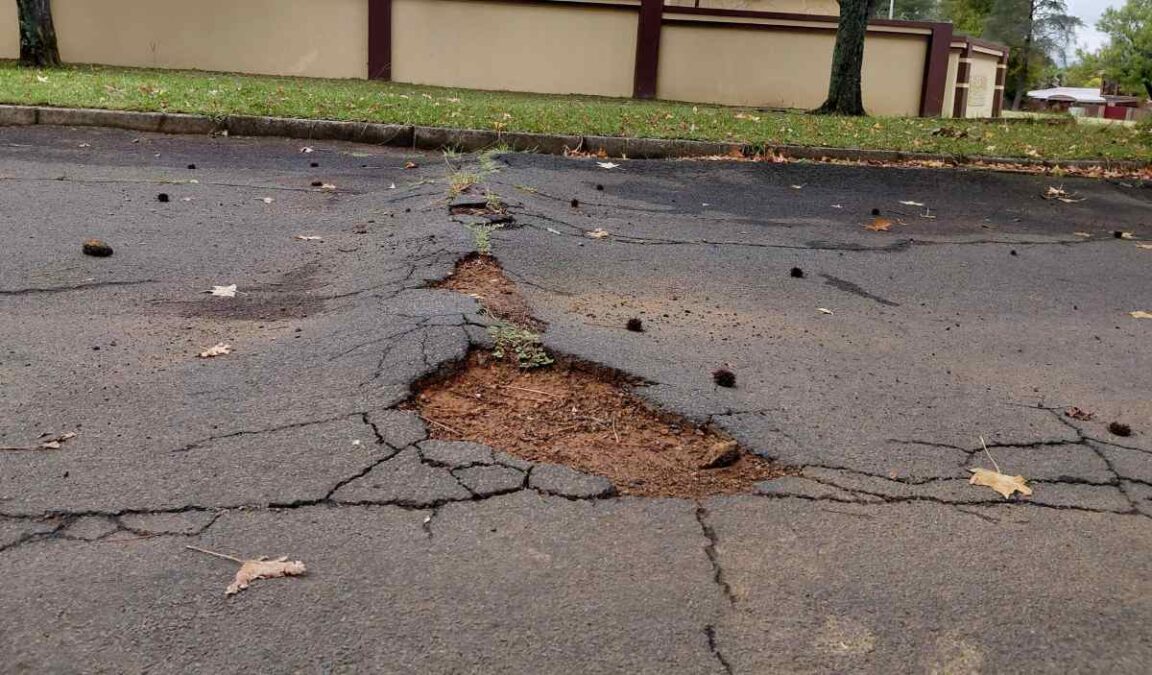
While potholes remain the most visible part of the problem, local mechanics say Newcastle’s road damage extends beyond open holes in the tar.
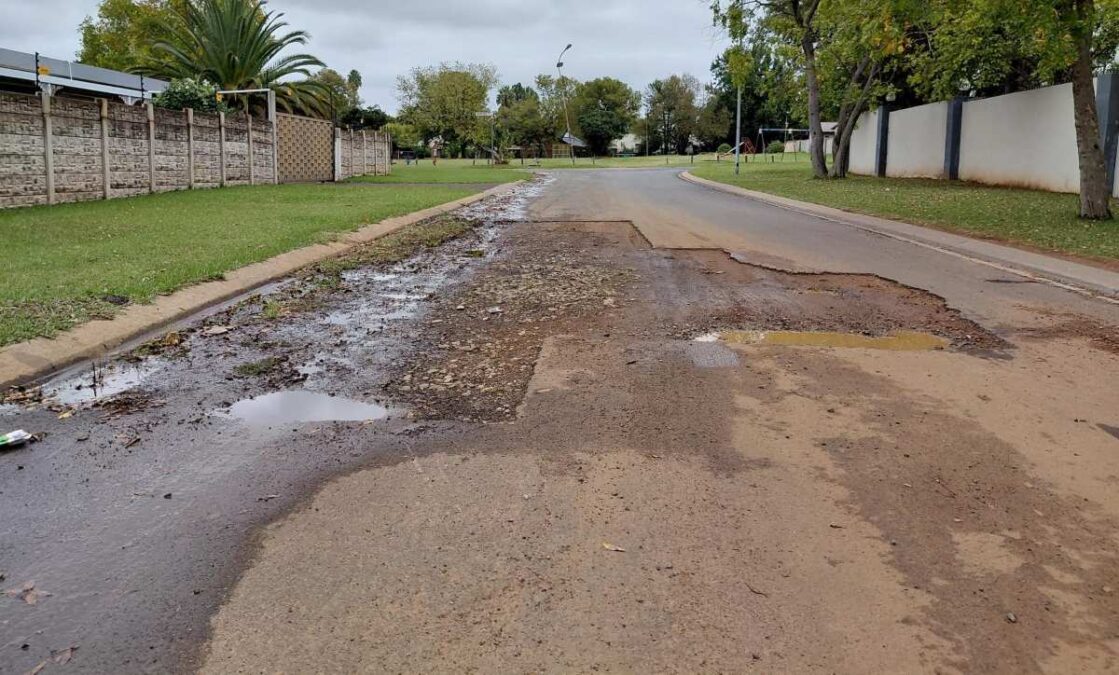
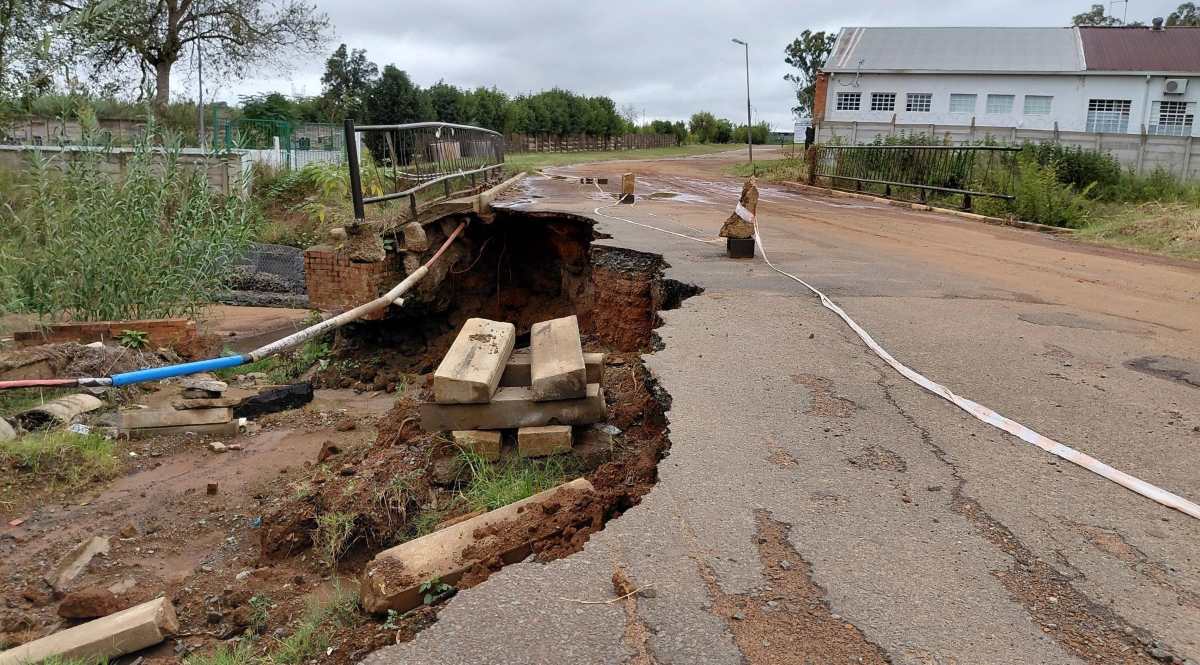
Uneven road surfaces, sections where the road has shifted, unfinished repair cuts and heavily used routes are all adding to the risk.
Buys pointed to areas such as Impala Drive and Hardwick Street, where irregular road surfaces have created hazardous dips and rises. According to him, these conditions can cause burst tyres and even collisions, particularly when motorists are forced to react suddenly.
Furthermore, the impact of heavy vehicles is also emerging as a growing concern, particularly in areas not designed to carry constant truck traffic.
Ranjithparsadh singled out Boundary Road in Lennoxton as one such example.
“Roads such as Boundary Road in Lennoxton are becoming damaged due to the trucks driving in and out. Boundary Road has seen an influx of trucks, and our roads are not made for them and can’t handle trucks that weigh tonnes constantly driving over them.”
Adding to the frustration is the condition in which some repair work is allegedly left.
Jackson said that in parts of the CBD and residential areas, sections of tar are cut in preparation for repairs but then left unattended, creating new hazards for motorists instead of removing old ones.
“Then there are roads in Amajuba Park near the school, where you have to drive on the pavement,” she noted.
However, the consequences of Newcastle’s road deterioration are not limited to private motorists and repair bills. Emergency medical service providers say road conditions are also affecting how they respond to incidents and transport patients.
According to ER24’s Ziyaad Warasally, his team attends between eight and 10 collisions each month linked to poor road conditions.
These incidents often occur when motorists swerve to avoid potholes, sometimes ending up in head-on collisions or leaving the roadway entirely.
“These are either caused by motorists attempting to avoid potholes and landed up in head-on collisions with on-coming traffic, or end up on the side of the road in a ditch,” Warasally explained.
The condition of the roads also changes how EMS teams transport injured patients, particularly those with spinal or serious trauma injuries. Warasally said crews are often forced to drive far more slowly to avoid worsening a patient’s condition.
“Transporting patients is especially difficult, especially if they have spinal injuries or critical injuries, as we cannot drive the way we supposed to, with the condition of the roads forcing us to drive extremely slow, so the patients do not suffer from more pain.”
Additionally, Charles Steyn of Magenta Emergency Medical Services said the discomfort caused by poor road surfaces can be severe, especially near potholes and unpainted speed humps. In some instances, he said, patients may even need to be sedated before being transported.
For emergency responders, the problem begins before a patient is even loaded into an ambulance.
Warasally said EMS crews must also consider the risk of damaging their own vehicles while responding to scenes.
“We cannot rush to the scene, due to the damage the roads could cause to our vehicles, whether it be burst tyres or damage to the suspension,” he said.
Steyn agreed, noting that EMS crews are forced to navigate several areas with caution. He identified Drakensberg Drive, Victoria Drive, Amajuba Park and Ncandu Park as roads and areas requiring attention.
For residents, the impact is deeply personal. One local resident, who asked to remain anonymous, said Marconi Drive has become a daily source of frustration and damage.
“I work on Marconi Drive, and not a day goes past that someone either bursts a wheel, or you see their vehicle being towed away after hitting one of the craters in the area. Then when you go to the Muslim cemetery, half the road is falling away on Falirk Street, posing an immense risk to residents,” he said.
Another motorist said the cost of Newcastle’s roads hit their pocket twice in one month, after two separate incidents left them more than R3 000 out of pocket.
“The first time was on Hardwick Street. I was driving to work, and just by the bridge, I had the option of hitting the pothole or the motorist next to me. I hit the pothole and lost one tyre, and it was such a schlepp to get my car out of the way in the early morning traffic. The second time was a week later, driving home to Barry Hertzog Park. So, two new tyres, wheel alignment and having to take off work to deal with something that could have been avoided with regular road maintenance.”
Taken together, the accounts from mechanics, tyre specialists, emergency responders and motorists point to a road network placing sustained pressure on residents and service providers. What may appear at first glance to be a routine maintenance issue is, in practice, becoming a recurring cost carried by the public.
The damage is not only measured in potholes. It is reflected in workshop invoices, insurance reports, delayed journeys, damaged ambulances, patient discomfort and the daily decisions motorists are forced to make when choosing between hitting a pothole or swerving into danger.
While the causes may include ageing infrastructure, heavy vehicle usage, unfinished repairs and increased traffic pressure, the expectation from residents is likely to remain straightforward: visible, consistent and measurable improvement.
Until then, Newcastle’s road problem will continue to carry a cost, one being paid not only by the municipality, but by the residents, businesses and emergency workers forced to deal with the consequences every day.
Newcastillian News approached the Newcastle Municipality for comment on the concerns raised, including which roads have been prioritised for repair, whether damage claims are being tracked, what measures are being taken regarding unfinished repair work, and whether emergency service routes are considered when road maintenance priorities are set.
However, no comment was provided at the time publication.
What are your thoughts on this? Let us know below.
This is gone too far now something must be done about it and finish the job properly shocking conditions
Who is responsible? What action must be taken? Give us story of accountability and not just problems! We are gatvol!!!!
We see misplaced comments every day, but this has to be one of the strangest takes one could have expected on this article.
I do not think you quite followed what is being discussed. Everyone knows who is responsible for the roads, which is exactly why the journalist requested comment from the municipality.
Anyhow, whether residents are gatvol or not does not change the reality on the ground. Complaining under a fake name on a major news platform, or simply venting to family and friends, achieves very little — if anything at all.
Whereas, bringing this issue into the South African public landscape, and then doing a follow up article with official direction from the municipality, is what drives real results. As most know, news is one of the great drivers of change and accountability at the end of the day.(You are welcome).
Nevertheless, the fact remains that Newcastle’s deteriorating roads are creating real and costly consequences, with ordinary Newcastillians feeling the impact daily.
This article captures that reality by giving locals, and our readers around South Africa, deeper insight into the problem, particularly through the voices of local businesses and service providers who deal with the damage, costs and knock-on effects every day.
Warm regards,
Newcastillian News
well said. dis ok is dizzy
hahaha gatvol bra needs to read again
As a resident on the D96, we have had 4 sets of tyres in the past 6 years. On the 9th of April this year we bought a brand new set of tyres, 2 weeks later I had a tyre burst, cost us to buy another new tyre. that is 5 tyres in two weeks. We had our shocks replaced as well.
Although Vulintaba and Mr Brown try to repair some potholes with sand mixed with Cement, it is not Tar. The trucks driving on that road drive everything out after rains.
Then there is the people that dodge the potholes but don’t look at other oncoming drivers or even drivers coming from behind. They swerve left and then when a car comes from the front they swerve back, and you as a driver have to be vigilant for their swerving too.
People on bicycles, swerve out for potholes right in front of vehicles behind them. Runners have to swerve out for potholes.
What makes the D96 worse is that it’s the Municipal road inbetween their “farm” that they don’t care about fixing the road, they have trucks and tractors also driving that road. They should start fixing the road from the bridge to where the new tar road is. Then driving might be better on our tyres.
The D96 is used by cyclist, runners all the time, and their lives is in more danger on that road than anything else. And the Battlefields Marathon is held there yearly. I won’t run there just because 1. I’m scared of my life. 2. I could sprain or even break an ankle running on that road.
The Municipality must start taking responsibility of the town and the tarred district roads. And stop using the tax/municipal money for their “Meetings/porter potties, etc” that cost thousands. Newcastle used to be a beautiful town. Now it’s a dump.
Newcastillian News invites your input. We ask that you keep your remarks courteous and on-topic. We do not allow any form of hate speech, such as racist or sexist comments. All comments are subject to moderation in line with our User Rules and Commenting Policy.












6 Responses
This is gone too far now something must be done about it and finish the job properly shocking conditions
Who is responsible? What action must be taken? Give us story of accountability and not just problems! We are gatvol!!!!
We see misplaced comments every day, but this has to be one of the strangest takes one could have expected on this article.
I do not think you quite followed what is being discussed. Everyone knows who is responsible for the roads, which is exactly why the journalist requested comment from the municipality.
Anyhow, whether residents are gatvol or not does not change the reality on the ground. Complaining under a fake name on a major news platform, or simply venting to family and friends, achieves very little — if anything at all.
Whereas, bringing this issue into the South African public landscape, and then doing a follow up article with official direction from the municipality, is what drives real results. As most know, news is one of the great drivers of change and accountability at the end of the day.(You are welcome).
Nevertheless, the fact remains that Newcastle’s deteriorating roads are creating real and costly consequences, with ordinary Newcastillians feeling the impact daily.
This article captures that reality by giving locals, and our readers around South Africa, deeper insight into the problem, particularly through the voices of local businesses and service providers who deal with the damage, costs and knock-on effects every day.
Warm regards,
Newcastillian News
well said. dis ok is dizzy
hahaha gatvol bra needs to read again
As a resident on the D96, we have had 4 sets of tyres in the past 6 years. On the 9th of April this year we bought a brand new set of tyres, 2 weeks later I had a tyre burst, cost us to buy another new tyre. that is 5 tyres in two weeks. We had our shocks replaced as well.
Although Vulintaba and Mr Brown try to repair some potholes with sand mixed with Cement, it is not Tar. The trucks driving on that road drive everything out after rains.
Then there is the people that dodge the potholes but don’t look at other oncoming drivers or even drivers coming from behind. They swerve left and then when a car comes from the front they swerve back, and you as a driver have to be vigilant for their swerving too.
People on bicycles, swerve out for potholes right in front of vehicles behind them. Runners have to swerve out for potholes.
What makes the D96 worse is that it’s the Municipal road inbetween their “farm” that they don’t care about fixing the road, they have trucks and tractors also driving that road. They should start fixing the road from the bridge to where the new tar road is. Then driving might be better on our tyres.
The D96 is used by cyclist, runners all the time, and their lives is in more danger on that road than anything else. And the Battlefields Marathon is held there yearly. I won’t run there just because 1. I’m scared of my life. 2. I could sprain or even break an ankle running on that road.
The Municipality must start taking responsibility of the town and the tarred district roads. And stop using the tax/municipal money for their “Meetings/porter potties, etc” that cost thousands. Newcastle used to be a beautiful town. Now it’s a dump.