


PAID CONTENT: Newcastle Municipality
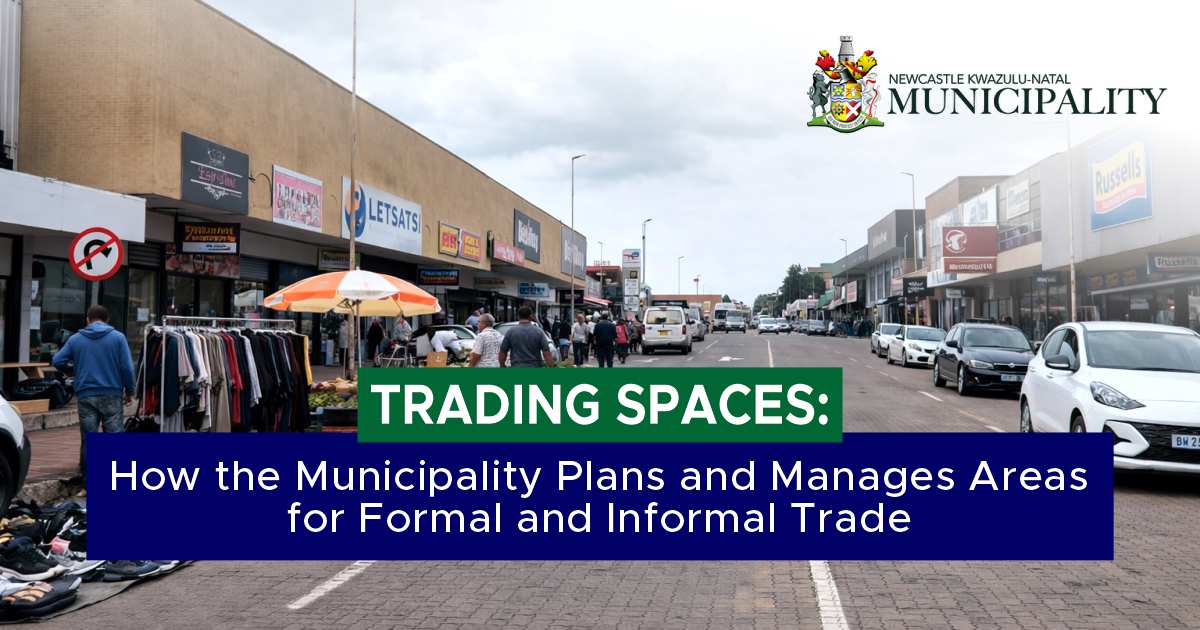
Economic activity in any town is shaped not only by businesses themselves, but also by the spaces where trade takes place. In Newcastle Municipality, trading environments are influenced by planning decisions, urban management, and ongoing oversight aimed at balancing opportunity with order.
From established retail shops in commercial areas to informal traders operating near transport routes and pedestrian pathways, trade happens across many layers of the local economy.
What residents often see is the activity itself — stalls, shops, customers, movement — but what is less visible is the planning work required to ensure these different forms of trade can coexist without causing conflict or destabilising economic nodes.
The management of trading spaces forms part of broader municipal economic development. It influences how accessible businesses are, how public spaces function, and how safely and efficiently economic activity can take place daily.
Trading Spaces as Part of the Local Economic System
Trading areas do not emerge randomly. Over time, certain areas naturally become economic hotspots due to visibility, transport access, pedestrian movement, and proximity to established businesses. These patterns are studied and incorporated into municipal planning processes.
By recognising where trade naturally concentrates, the municipality can guide how those spaces evolve. This includes balancing the needs of property owners, pedestrians, commuters, informal traders, and formal businesses operating nearby.
When trading spaces are planned and managed effectively, they support local spending patterns and encourage economic circulation within the town. Customers can move easily between traders and shops, businesses benefit from foot traffic rather than obstruction, and public spaces remain usable for everyone.
Balancing Formal and Informal Trade
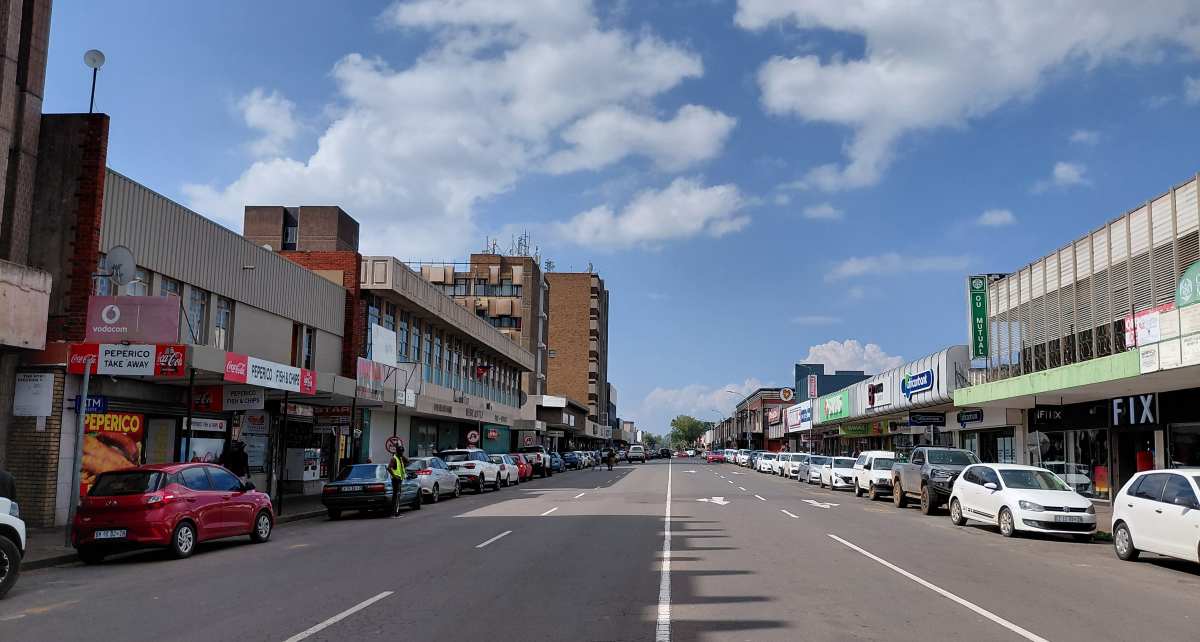
The economy of Newcastle includes both formal and informal sectors, each playing a different but important role. Formal businesses often carry the costs of leases, rates, compliance requirements, and long-term investment on premises. Informal traders provide accessible entry points into entrepreneurship and frequently serve high-traffic areas where convenience is key.
Managing these two sectors requires careful balance. Without proper regulation, planning, competition for space can quickly create conflict — shopfronts may become blocked, pedestrian movement restricted, or trading activity concentrated in ways that reduce accessibility for customers.
Municipal planning and regulation aim to create environments where both sectors can operate without undermining each other. This involves guiding trade towards suitable areas, managing space usage, and ensuring that economic opportunity does not come at the expense of safety or accessibility.
This balance supports economic inclusion while protecting the stability of established business areas.
Transport Hubs, Foot Traffic and Economic Activity
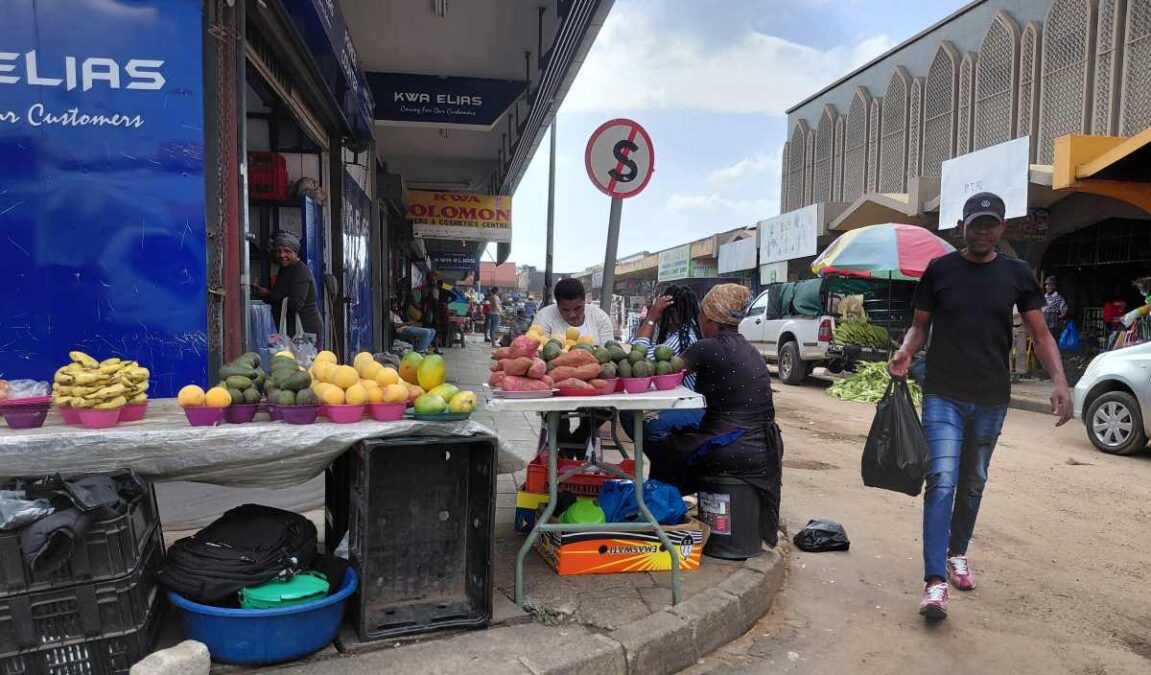
Transport nodes such as taxi ranks, bus stops, and busy pedestrian routes naturally attract trading activity. These areas often become economic lifelines because of the daily flow of commuters and shoppers moving through them.
Municipal planning considers how these movement patterns shape local trade. The placement of traders, access routes, loading zones, and pedestrian pathways all influence whether an area functions smoothly or becomes congested.
Well-managed trading environments near transport hubs allow traders to access customers while ensuring commuters can move safely and businesses nearby remain accessible.
This is a practical example of how urban planning and economic development intersect in everyday life.
Managing Public Spaces for Safety and Functionality
Public spaces are shared environments. Pavements, walkways, and open areas must accommodate multiple users — shoppers, residents, service vehicles, emergency access, and trading activity.
Through by-laws and urban management practices, the municipality regulates how public areas may be used for trade. The goal is not to restrict economic activity, but to maintain functionality and safety for all users.
When these spaces are unmanaged, challenges can arise: pedestrian routes become blocked, waste management becomes difficult, and surrounding businesses may lose visibility or access. By regulating public trading areas, the municipality helps preserve the overall usability of the town’s commercial spaces.
This management contributes directly to the perception of Newcastle as an organised and investment-ready environment.
The Economic Importance of Orderly Trade
Order in trading environments has direct economic consequences. Clean, accessible, and organised areas attract more customers and encourage longer visits, which benefits both formal retailers and traders.
For property owners and investors, predictable trading environments help protect asset values. Businesses are more willing to invest in premises when the surrounding environment is stable and well managed.
For informal traders, designated and managed spaces provide greater certainty, visibility, and the opportunity to operate within a structured environment that supports long-term sustainability.
In this way, trade management becomes an economic development tool rather than simply an enforcement function.
Long-Term Urban Planning and Trading Spaces
Trading space management also connects to broader spatial planning decisions. As Newcastle grows, decisions about where transport hubs are developed, where commercial expansion occurs, and how public spaces are designed all influence future trade patterns.
Municipal planning, therefore, looks beyond immediate trading needs and considers how economic activity will evolve as new developments emerge and urban areas expand.
This forward-looking approach helps avoid congestion, protects existing economic nodes, and supports balanced growth across the municipality.
Supporting Opportunity Through Structured Management
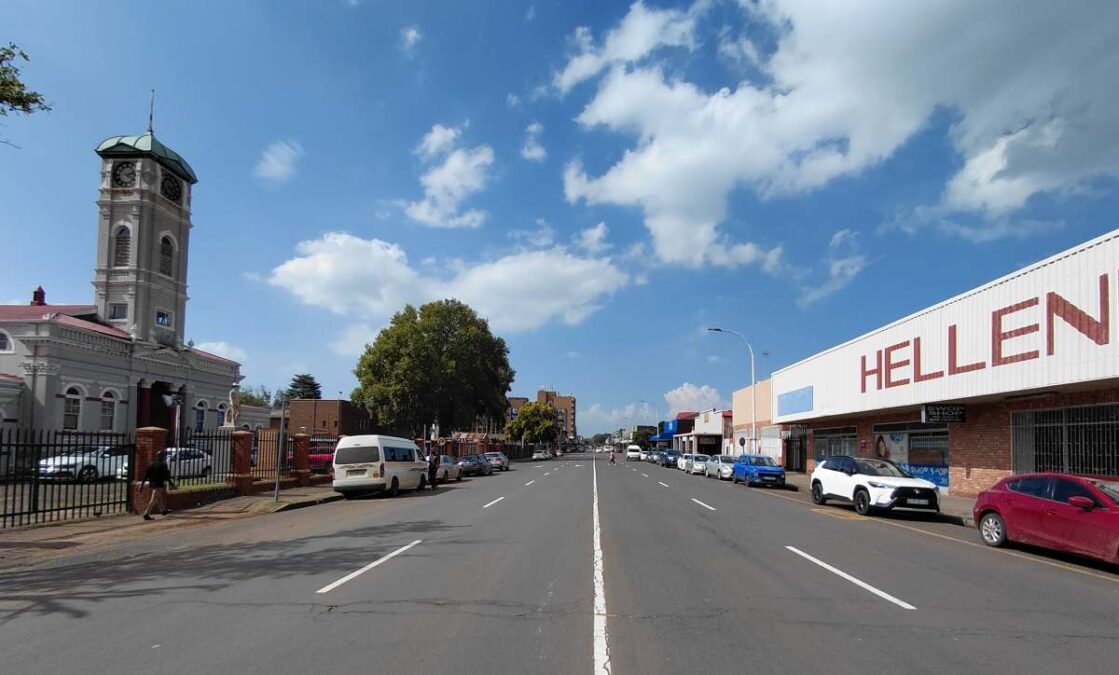
Ultimately, the municipality’s role is to create environments where trade, both formal and informal, can occur in a way that supports livelihoods while maintaining order and accessibility.
By planning and managing trading spaces carefully, the municipality helps ensure that economic opportunity remains available while protecting the functionality of the town’s commercial areas.
Accessing Information on Trading Requirements
Information relating to trading permissions, by-laws, and municipal processes can be accessed through the official website of Newcastle Municipality:
The municipality manages trade through planning, urban oversight, bylaws and space allocation aimed at keeping trading areas functional, safe and accessible.
Transport hubs attract foot traffic and commuters, making them natural hotspots for informal trade and daily economic activity.
Regulation helps maintain pedestrian movement, safety, accessibility and order while still supporting local economic opportunity.
Municipal planning seeks to balance both sectors by guiding trade into suitable areas and reducing conflict over access, visibility and movement.











One Response
Could the planning be more intensive regarding the motor traffic? Lots of vehicles crossing SOLID white lines to enter the so-called businesses before holding up traffic, and turning in front of on-coming traffic. Especially in Victoria Street. The pre-school parents are a big problem