


PAID CONTENT: Newcastle Municipality
Property development in Newcastle, KwaZulu-Natal begins long before construction starts. Through zoning checks, infrastructure assessments, and coordinated municipal approvals, Newcastle Municipality ensures new developments are lawful, safe, and supported by essential services.
When residents see a new housing estate, shopping centre, warehouse or business premises rising from the ground, the visible activity is construction. What is not visible is the extensive municipal work that takes place long before construction can legally begin.
Property development in Newcastle, KwaZulu-Natal does not start with builders.
It starts with municipal planning, technical evaluation, infrastructure assessment, and coordinated approvals across multiple departments.
Without this work, development would either be unsafe, unlawful, or impossible to sustain.
Understanding this process reveals how the municipality quietly enables urban expansion and economic growth behind the scenes.
Development Begins Long Before Construction in Newcastle
Before a developer can break ground, detailed applications must be submitted to the municipality. These include building plans, land use applications, service connection requests, and, in many cases, rezoning or consent use motivations.
These applications are not simply checked for paperwork. They trigger a multi-layered technical assessment that determines whether the proposed development is feasible, lawful, and sustainable within Newcastle’s existing urban framework.
Once submitted, an application is logged, recorded, and formally entered into the municipal system. From there, it does not remain in one office.
It begins moving through a structured review path where multiple departments become involved, each assessing the proposal from a different technical perspective.
Town Planning evaluates whether the land use aligns with zoning rights, the land use scheme, and the Spatial Development Framework guiding Newcastle’s growth.
Building Control reviews whether the structure being proposed can safely exist on that site and be used for its intended purpose. Infrastructure divisions assess whether existing water, sewer, stormwater, and electricity networks can accommodate the additional demand.
In certain cases, environmental considerations are also reviewed, particularly where developments may affect natural drainage, surrounding properties, or sensitive areas.
At this stage, officials are not only looking at what the developer intends to build, but also at how that development will interact with the surrounding environment, neighbouring properties, municipal services, and future growth plans for the area.
Questions are asked such as:
- Will the road network cope with the additional traffic this development will generate?
- Can the existing sewer lines handle the increased load without risk of failure?
- Is the water supply network sufficient to service the property without affecting surrounding users?
- Does the intended land use fit logically within the broader planning of the town?
This is where the municipality’s long-term planning and day-to-day service realities intersect with private development proposals.
Only once these technical considerations have been evaluated can the application progress further. If shortcomings are identified, developers may be required to amend plans, provide additional motivation, or make infrastructure provisions before approval can be considered.
What appears to the public as “waiting for approval” is in fact an active period of technical evaluation designed to ensure that, once built, the development will function safely and sustainably within Newcastle.
Assessing Whether the Land Can Support the Development
One of the first considerations is whether the land itself is suitable for the proposed use. This involves evaluating zoning rights, surrounding land uses, environmental considerations, and alignment with Newcastle’s Spatial Development Framework.
Officials assess whether:
- The development fits within planned growth areas
- The surrounding road network can handle additional traffic
- The location is appropriate for the type of activity proposed
- The development will not negatively affect neighbouring properties
This ensures that urban expansion takes place in an orderly, planned manner rather than in a way that creates long-term conflict.
Infrastructure Capacity: The Critical Behind-the-Scenes Evaluation
Perhaps the most important and least visible part of the process is the assessment of municipal infrastructure capacity.
Before approvals are granted, infrastructure departments must determine whether existing systems can support the additional demand the development will create.
This includes assessing:
- Water supply capacity and reservoir systems
- Sewer and sanitation networks
- Stormwater drainage systems
- Electricity distribution and load capacity
- Road access and traffic flow
If these systems cannot support the development, upgrades or conditions may be required before approval can be granted.
Without this step, new developments would place unsustainable pressure on municipal systems, leading to failures that affect both new and existing properties.
Interdepartmental Coordination in Newcastle Development Approvals
No single department can approve a development on its own. Town Planning, Building Control, Infrastructure Services, Environmental considerations, and Public Health all play roles depending on the nature of the project.
This coordination ensures that every aspect of the development — from structural safety to service delivery — is evaluated before construction begins.
This is why development approvals can take time. The process is designed to prevent problems years down the line.
Compliance Beyond Construction: Why Development Standards Continue After Approval
Municipal oversight does not end once construction begins or a development is completed. In Newcastle, compliance continues through ongoing regulatory processes that ensure businesses operating within new developments remain lawful, safe, and aligned with approved land use.
Every restaurant, guesthouse, workshop, salon, crèche, warehouse, or retail premises operating within the town functions within a broader compliance framework administered by multiple municipal departments. Public Health inspections assess hygiene, sanitation, ventilation and waste management standards, while Building Control ensures that structures are being used according to approved plans and national building regulations.
Town Planning and zoning enforcement further ensure that businesses operate in areas suited to their activity, preventing incompatible land use that could negatively affect neighbouring properties, traffic flow, or local infrastructure. Business licensing, permits and by-law enforcement also play a role in maintaining orderly economic activity, ensuring that compliant businesses are not unfairly disadvantaged by operators who bypass regulations.
These systems are designed to protect not only the public but also property owners and legitimate businesses that have invested in compliant premises and lawful operations. By maintaining standards after development approval, the municipality helps preserve property values, support fair competition, and protect the long-term viability of Newcastle’s commercial districts.
In this way, municipal compliance forms a continuous link between planning, construction, and the sustainable operation of businesses within the town’s growing economic environment.
Service Connections and Technical Requirements
Even once planning approvals are in place, developments must still meet technical requirements for service connections. This includes lawful connections to water, sewer, electricity, and stormwater systems.
These connections must be designed, approved, and inspected to ensure they do not compromise municipal networks or create future maintenance problems.
Why This Matters for Newcastle’s Growth
Every estate, shopping centre, business park, and commercial expansion in Newcastle exists because the municipality has confirmed that the development is safe, lawful, and supported by infrastructure.
Without this process:
- Developments could overwhelm water and sewer systems
- Roads could become congested and unsafe
- Buildings could be erected in unsuitable locations
- Long-term service failures could occur
Instead, municipal oversight ensures that growth strengthens the town rather than destabilising it.
Enabling Development, Not Blocking It
While the process may appear complex, its purpose is not to delay development but to make sure it can succeed. Developers and property investors benefit from knowing that once approved, their project is supported by proper planning and infrastructure.
This creates confidence in Newcastle as a place where development is possible because it is carefully enabled.
Accessing Application and Planning Information
Developers and property owners can access relevant application forms, planning policies, and development requirements through the official Newcastle Municipality website: https://newcastle.gov.za/
Understanding these requirements before beginning a project can significantly streamline the approval process.
Be sure to read, Growth Through Partnership: How Newcastle’s Progress Depends On Collaboration, if you missed it.
FAQs
Approval timelines depend on the complexity of the development and the number of municipal departments involved in the technical assessment.
To ensure that water, sewer, electricity, and roads can support the additional demand without affecting existing residents.
Town Planning, Building Control, Infrastructure Services, Environmental considerations, and Public Health may all be involved.
On the official Newcastle Municipality website at https://newcastle.gov.za/
Yes. Developers may be required to upgrade infrastructure or amend plans before approval is granted.












One Response
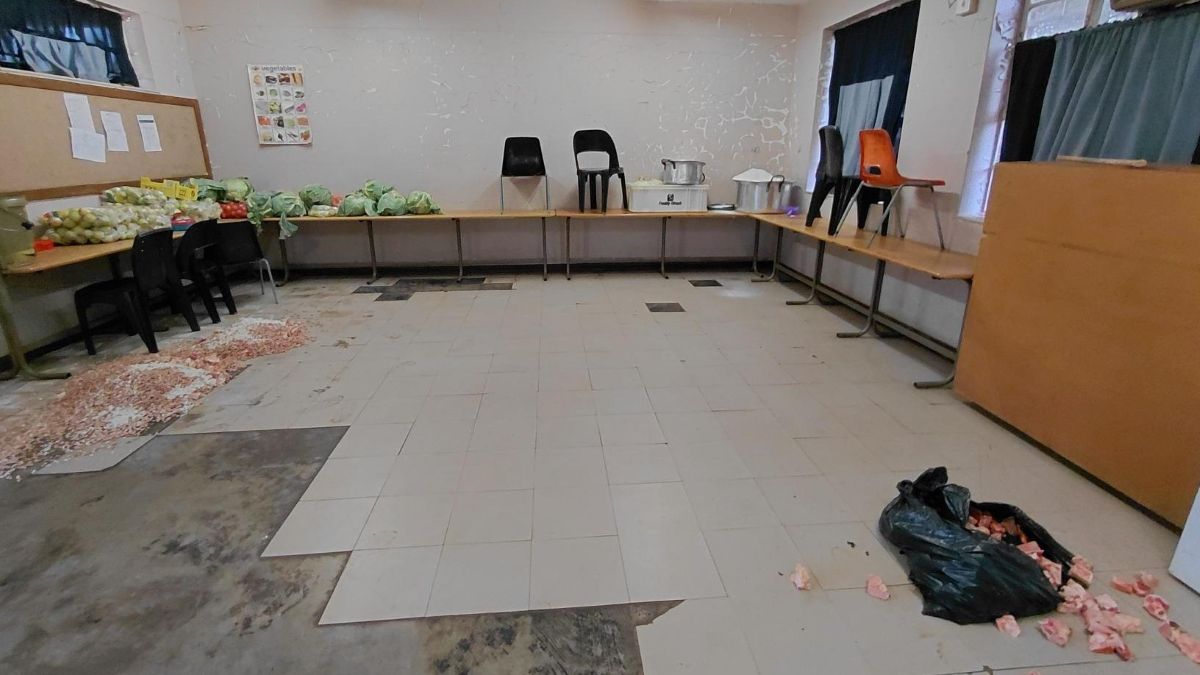
That might be the way it is suppose to work but reality confirms the opposite