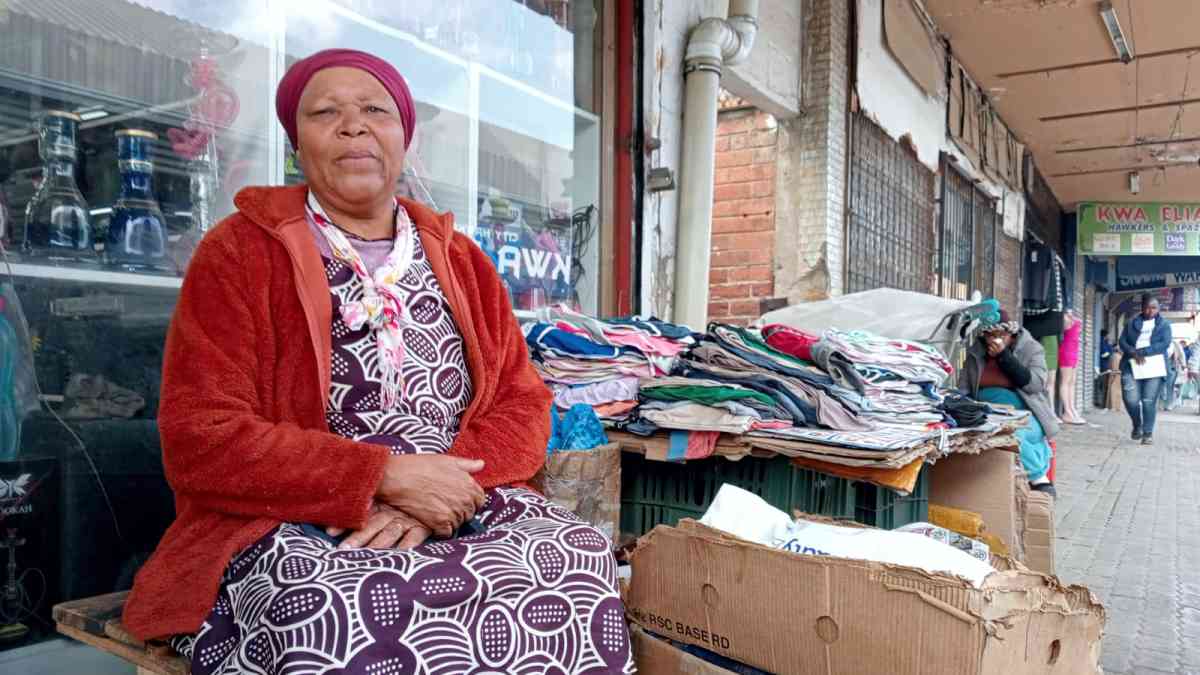
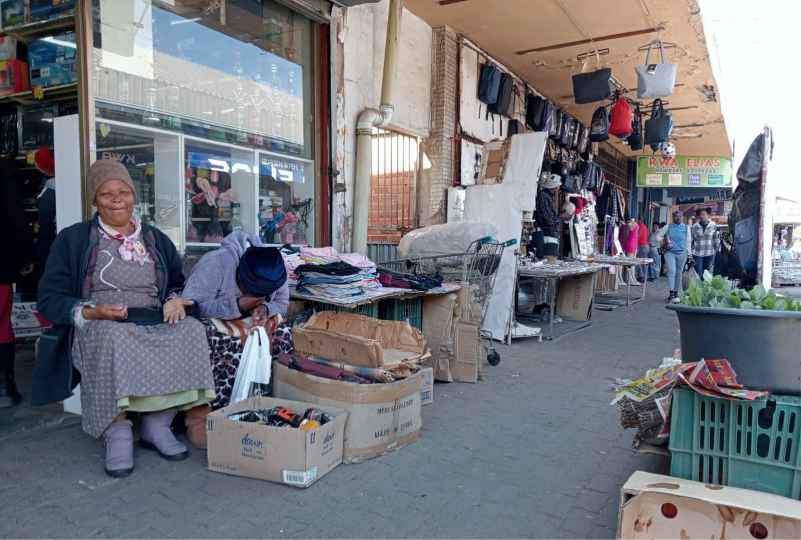
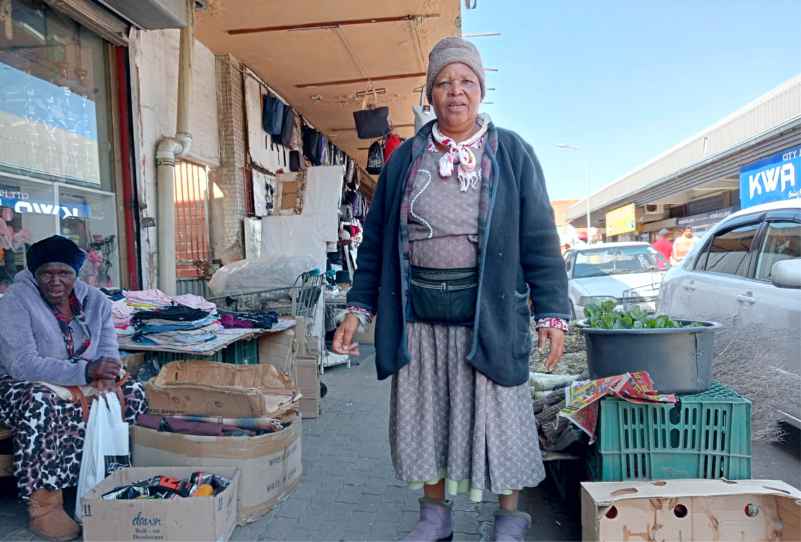
For more than 20 years, Junis Mthethwa has stood at the same corner in Newcastle’s bustling CBD, weathering the sun, rain, and shifting tides of South Africa’s volatile economy. Now 65 years old, she is a pillar of resilience — not just in her family, but in the wider informal economy many overlook.
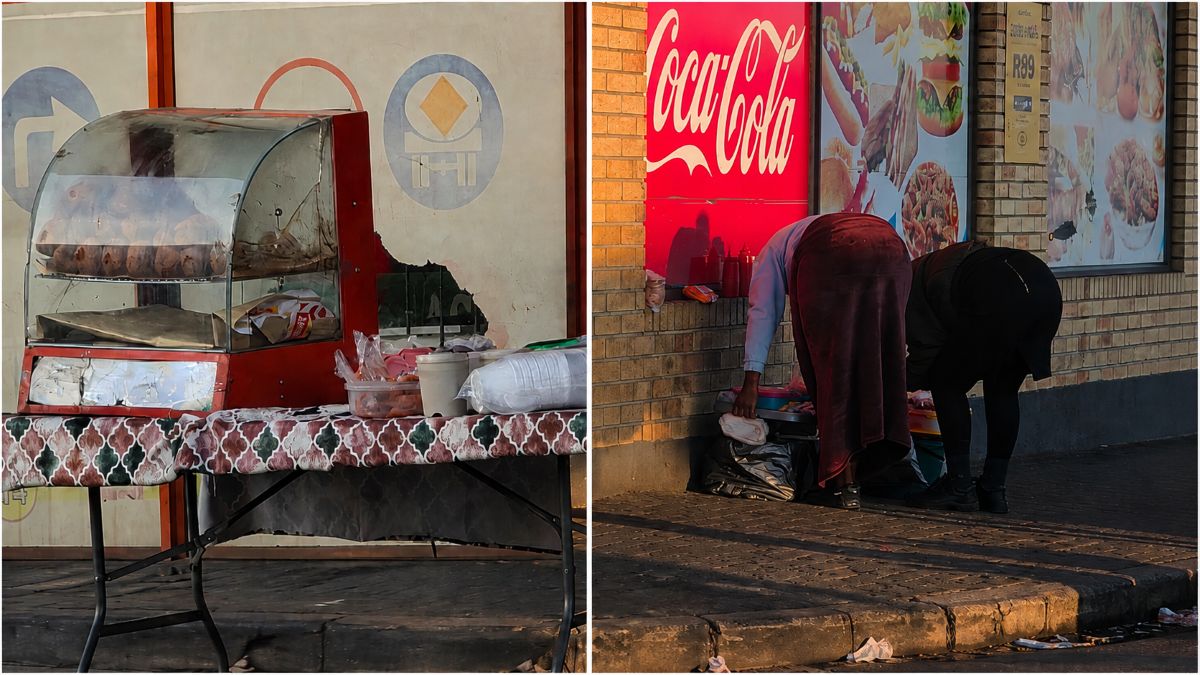
Every morning, she unpacks her neatly folded dresses and traditional beadwork, arranging them with care on her modest trading table.
To passersby, she may seem like just another vendor. But for those who pause and look closer, Junis’s journey is one of grit, generational support, and economic relevance.
She specialises in affordable clothing and accessories that cater primarily to working-class women and older residents from lower-income brackets. Occasionally, her stall includes herbs — a nod to her cultural roots and a quiet preservation of tradition amidst urban noise. But it’s more than just merchandise that defines her trade. It’s continuity, consistency, and commitment.
Yet, for all her dedication, Junis has never “graduated” to a formal SMME. After two decades of unwavering presence, there are no shopfronts and no expansion plans. Why? Because the available growth opportunities have not been seized.
“I’ve been here since my children were in school. Now I look after my grandchildren,” she explains, her hands busy folding a blouse. “This is how I live. It’s not a business with growth, but it keeps us from going hungry.”
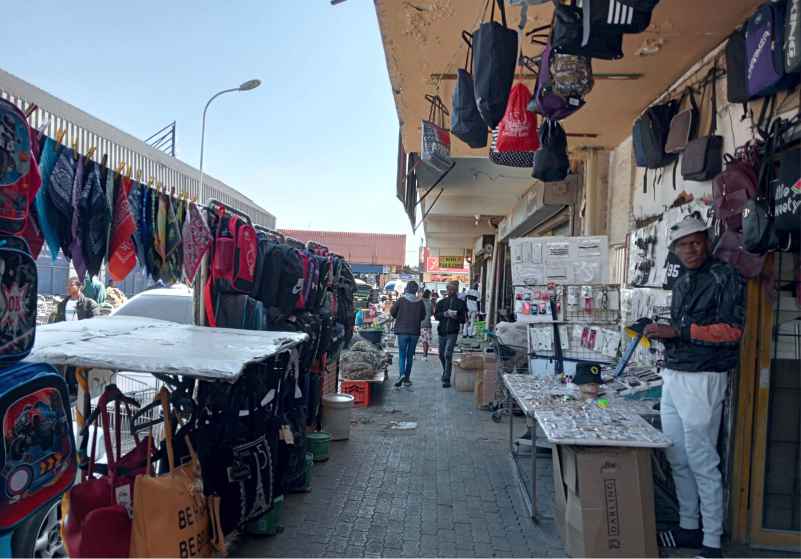
Her situation reflects a much wider and deeper truth: the informal sector is not just a fallback option — it is the mainstay of survival for millions. With rising unemployment, especially among youth, and many formal businesses closing their doors, the informal economy has become the shock absorber of South Africa’s socioeconomic crisis.
But it is not immune.
When pedestrian traffic slows, so does Junis’s income. When larger stores slash prices or expand their reach, her customer base shrinks. And when crime, corruption, or poor infrastructure disrupt the CBD, she suffers silently—without the recourse or resources to adapt. She cannot afford diversification, marketing, or innovation. Instead, she relies on what has always worked: being present, being known, and offering what she can to those who can afford it.
“Some days, I go home with just enough to buy bread,” she admits. “But it’s better than nothing. I’m not sitting at home waiting for a grant.”
Junis’s story also carries a generational weight.
While she earns a humble living from street trading, her children remain unemployed and rely heavily on government support. Yet she continues to support the entire family — both financially and as the emotional anchor.
Her stall is, in many ways, a silent succession plan. It represents values of hard work, dignity, and self-reliance in a world that offers fewer opportunities to people in her position.
And that is the heart of the informal trade sector: people like Junis who uphold not only themselves, but entire families and communities.
Her story, though deeply personal, highlights systemic challenges that require thoughtful, inclusive interventions.
As South Africa rethinks economic development in light of shifting global dynamics, we must ask:
Why do informal traders remain stagnant despite their economic contribution?
What role can government play in nurturing these traders through accessible licensing, mentorship, or micro-financing?
How can the broader economy begin to treat informal trade not as a nuisance to regulate, but a backbone to support?
Junis’s journey is not just a story of survival. It is a lesson in endurance, a reflection of socioeconomic gaps, and a powerful reminder that development must be people-centred—especially for those operating outside formal walls.
This is not simply a profile. It is a confirmation that policymakers, economists, and civil society are starting to look beyond the stalls and see the scaffolding of our everyday economy. Junis may not have a billboard or a business registration number.
But for over 20 years, she has shown up. And that, in itself, is a form of economic contribution that deserves to be recognised, supported, and sustained.
Why has Junis not transitioned into a formal small business (SMME) despite over 20 years of trading?
While Junis has run her trading stall for more than two decades, she has not tapped into the available government services that seek to address systemic barriers such as limited access to funding and a lack of formal business education. Her story reflects the broader issue many informal traders face across South Africa.
How does informal trading impact the local economy in Newcastle?
Informal trading plays a vital role in Newcastle’s economy by creating self-employment opportunities, supporting low-income households, and ensuring affordable goods reach consumers. Traders like Junis help stimulate local cash flow, especially in areas with high unemployment.
What are the key challenges informal traders currently face?
Traders face multiple threats—including poor foot traffic, competition from formal retailers, lack of infrastructure, and vulnerability to crime. These challenges when unaddressed, limit growth and stability in the sector.
Why is Junis’s story important for future economic planning?
Her journey highlights the resilience of South Africa’s informal workforce. By recognising the real-world conditions traders face, stakeholders can improve to develop smarter, more sustainable support strategies that strengthen both livelihoods and the broader economy, especially for lower-income communities.
Newcastillian News invites your input. We ask that you keep your remarks courteous and on-topic. We do not allow any form of hate speech, such as racist or sexist comments. All comments are subject to moderation in line with our User Rules and Commenting Policy.