


Four months after Mr Price-labelled products were identified during inspections linked to alleged non-compliant garment manufacturing operations in Newcastle, KwaZulu-Natal, Mr Price Group has pledged to work closely with the Department of Trade, Industry and Competition (dtic) to strengthen transparency, compliance, and accountability across South Africa’s retail and manufacturing sectors.
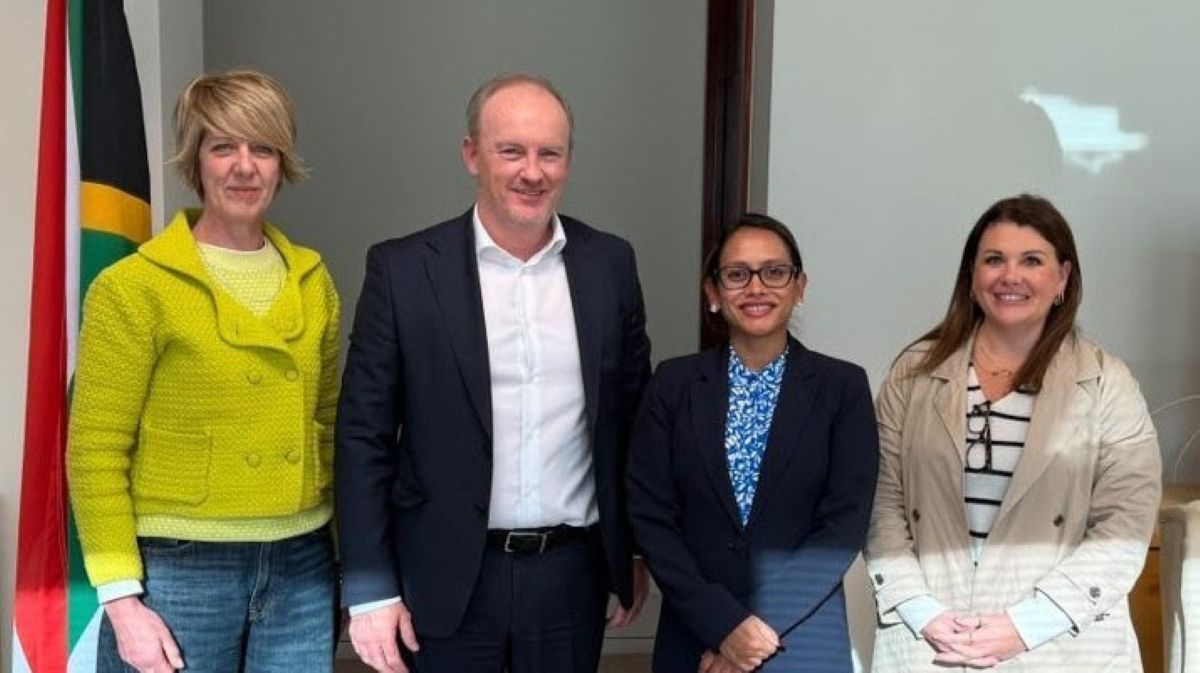
The commitment follows a meeting on Friday, 19 June 2026, between Deputy Minister of Trade, Industry and Competition Alexandra Abrahams, Mr Price Group CEO Mark Blair, and the company’s senior leadership.

According to the dtic, the engagement formed part of its ongoing efforts to support the local clothing and textile industry while addressing structural challenges that continue to undermine domestic manufacturing competitiveness.
Building on concerns raised earlier this year, the dtic said discussions also addressed alleged non-compliant garment manufacturing operations in Newcastle, KwaZulu-Natal, alongside broader concerns around illegal manufacturing, supply chain integrity, and unfair competition within South Africa’s clothing and textile sector.
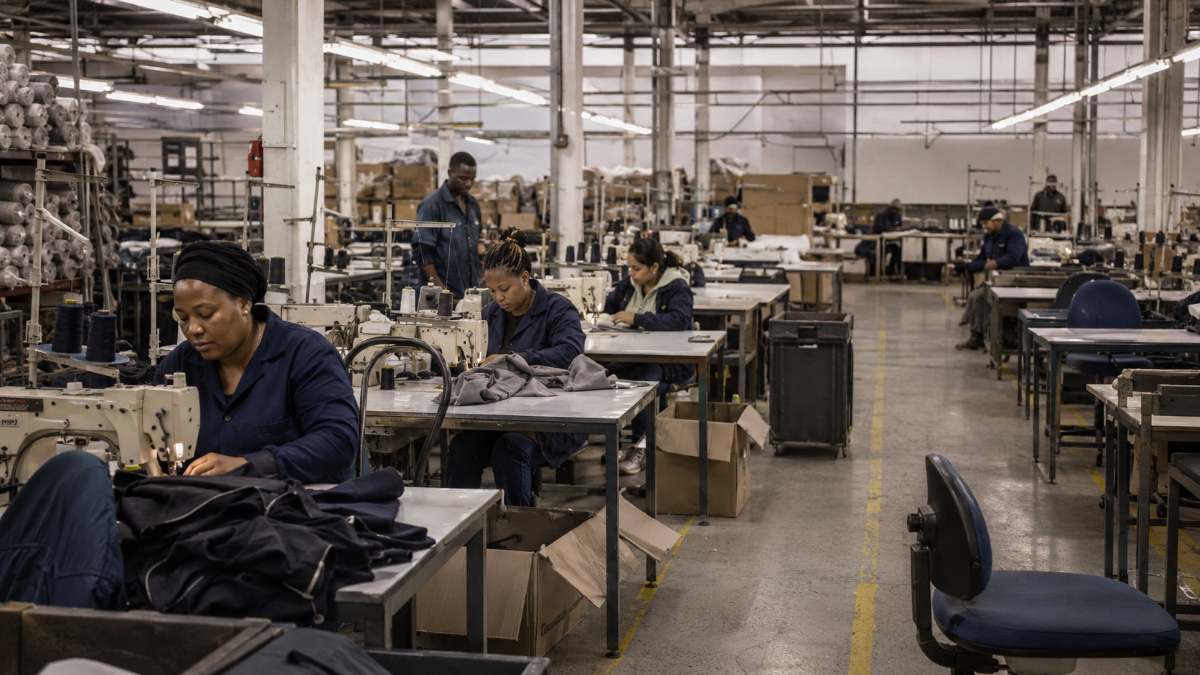
The matter dates back to February 2026, when the Parliamentary Portfolio Committee on Employment and Labour conducted an oversight visit to Newcastle, inspecting multiple sectors across the Amajuba District.
As reported by Newcastillian News, the visit resulted in the arrest of two Chinese factory owners for allegedly contravening immigration legislation by employing foreign nationals without valid documentation.
Inspectors also identified several alleged violations, including unsafe electrical installations, the absence of a valid steam generator certificate, non-compliance with the Unemployment Insurance Act, and failure to meet obligations under the Compensation for Occupational Injuries and Diseases Act.
To read more, click here.
While the arrests drew attention to serious compliance concerns in Newcastle’s textile sector, the issue gained further national attention when the Parliamentary Portfolio Committee on Employment and Labour indicated that it would summon major retail clothing chains to explain any supply chain connections to non-compliant factories.
Public concern intensified after Juliet Basson, a member of the committee, shared video footage from inspections in Newcastle’s Riverside Industrial Area.
The footage, which spread rapidly on social media, showed boxed clothing bearing labels from several prominent South African retailers, including The Foschini Group, Pick n Pay Clothing, and Mr Price Group.
Watch Juliet Basson’s on-the-ground video: https://www.facebook.com/share/v/1AaLXiu8XC
To read more, click here.
In response to the discoveries, Mr Price Group expressed support for the parliamentary inspections and the work of other relevant authorities.
At the time, the company stated that it;
“Welcomed the initiatives that expose and hold accountable manufacturers who exploit workers or undermine South African labour, health, and safety laws,” while confirming that it had launched an internal investigation after Mr Price-labelled products were identified.
The group also emphasised that the factory concerned had no active orders for its merchandise.
To read more, click here.
Against this backdrop, Friday’s meeting between the dtic and Mr Price Group focused on practical measures to improve supply chain accountability, elevate ethical sourcing standards, strengthen enforcement against illicit manufacturing, and address structural barriers limiting South Africa’s competitiveness in regional and global markets.
“A central theme emerging from the engagement was the urgent need to improve the competitiveness of South African manufacturers by reducing the cost of doing business, improving infrastructure reliability, and creating a more efficient operating environment that enables businesses to expand and invest with confidence. Industry-wide challenges relating to compliance costs, labour, and the role of local government in improving the ease of doing business also featured prominently in discussions,” the dtic stated.
The department added that the meeting reinforced the importance of stronger cooperation between retailers, regulators, law enforcement agencies, and government departments to prevent illegal operators from exploiting workers, evading regulatory standards, and undermining compliant businesses in the formal economy.
Discussions also examined the growing impact of international fast-fashion platforms, whose expansion continues to place pressure on local manufacturers and expose weaknesses in South Africa’s trade enforcement framework.
Attention also turned to the modernisation of industrial policy frameworks governing the sector. According to the dtic, the talks highlighted the need for existing policy instruments to better support competitiveness, provide long-term investment certainty, strengthen productive capacity, and remove unnecessary barriers that prevent local businesses from scaling up and creating sustainable employment.
Having previously assured that her department would conduct thorough investigations into retailers allegedly linked to the Newcastle operations, Deputy Minister Abrahams welcomed Mr Price Group’s commitment to ongoing cooperation in enhancing transparency, compliance, and accountability across the broader retail and manufacturing ecosystem.
The dtic further reiterated its commitment to working with industry stakeholders to build a competitive, transparent, and sustainable clothing and textile sector capable of driving industrial growth, expanding local productive capacity, and creating meaningful employment opportunities for South Africans.
With this in mind, Newcastle has now become a central reference point in the unfolding scrutiny of South Africa’s clothing manufacturing sector.
The findings in the area have shifted the debate from isolated compliance breaches to wider questions around supply chain accountability, enforcement, and how allegedly non-compliant production was able to intersect with established retail distribution networks.

As a result, the engagement between industry stakeholders and the dtic points to a more sustained oversight approach anchored in what emerged from Newcastle.
With retailers such as Mr Price Group now drawn deeper into compliance alignment discussions, the expectation is that Newcastle will not be treated as a standalone incident, but as a benchmark case shaping how supply chain transparency and enforcement are strengthened across the sector going forward.








2 Responses
Compliance issues in SA is a huge problem in all sectors
Government needs to understand that rising costs related to compliance, compared to import costs.
That will affect local pricing, then we as a country will sit with large scale unemployment.
Importing must stop so as to boost employment and economy.
So its basic business sense affecting our economy.
Stop importing immediately and that will grow our economy.
Government needs to stop worring about other countries and improving our economy.
Its not rocket science, stop colluding with the chineese and other countries and start local manufacturing like we did in the e 1970’s.
Wake up Government.
The best way is to comply as we also dealth with Standerton Mills and were fully compliant. How did we lost the business from Kuehne-Nagel(pty)Ltd I don’t know. To be compliant and let Itac know all the material being brought into the country is correct because when you doing wrong they will have a meeting with you and advise you.