The Department of Employment and Labour has claimed just over R6 million from six Newcastle-based textile factories for serious breaches of employment laws. However, insiders within the business and textile sector claim the damage being caused by the Department’s actions might cost Newcastle much more.
In a parliamentary inquiry, uMkhonto we Sizwe Member of Parliament Lehlohonolo Selepe asked Minister of Employment and Labour Nomakhosazana Meth what immediate steps her department was taking against Chinese-owned companies accused of exploiting workers in Newcastle, where wages reportedly fall as low as R76 per week.
PAID ADVERTISING
Selepe also sought clarity on the timelines for ending such exploitation. In response, Minister Meth confirmed that her department had already taken decisive steps to address the violations.
The questioning follows an oversight inspection by the Parliamentary Portfolio Committee on Employment and Labour, as reported by Newcastillian News in February 2026, which revealed that six manufacturing operations were non-compliant with Unemployment Insurance Fund (UIF) requirements.
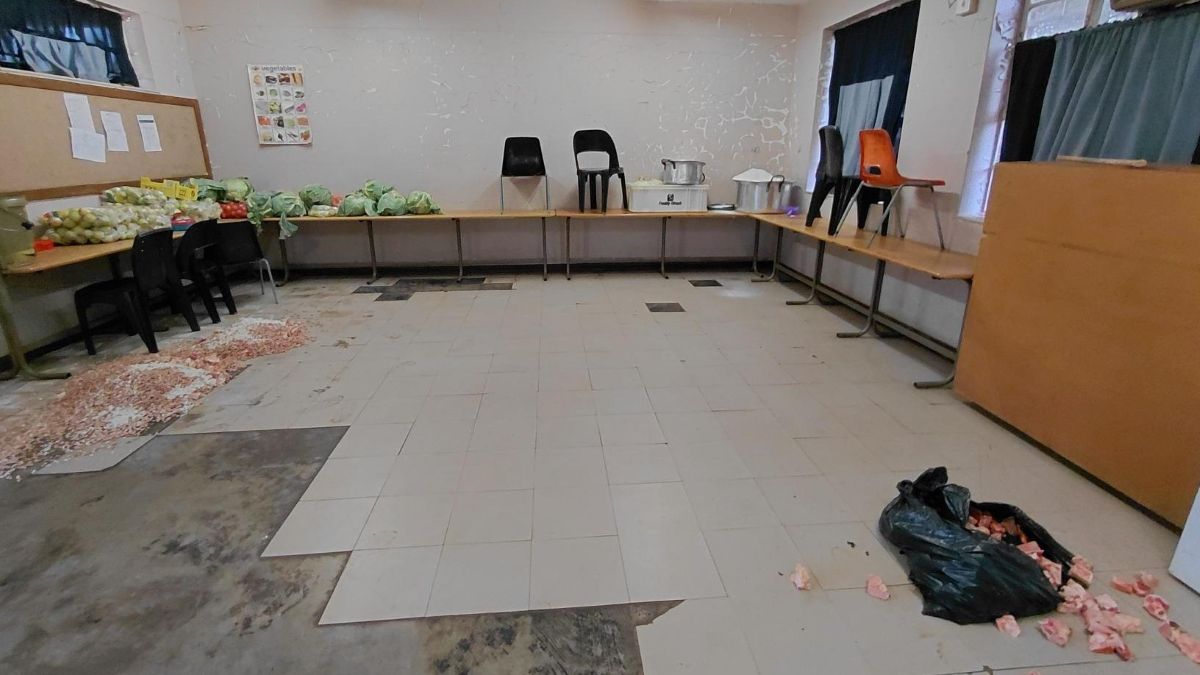
As noted by the department at the time, only four adhered to the Basic Conditions of Employment Act, while five breached Occupational Health and Safety (OHSA) regulations, and five failed to meet the Compensation for Occupational Injuries and Diseases Act (COIDA) standards.
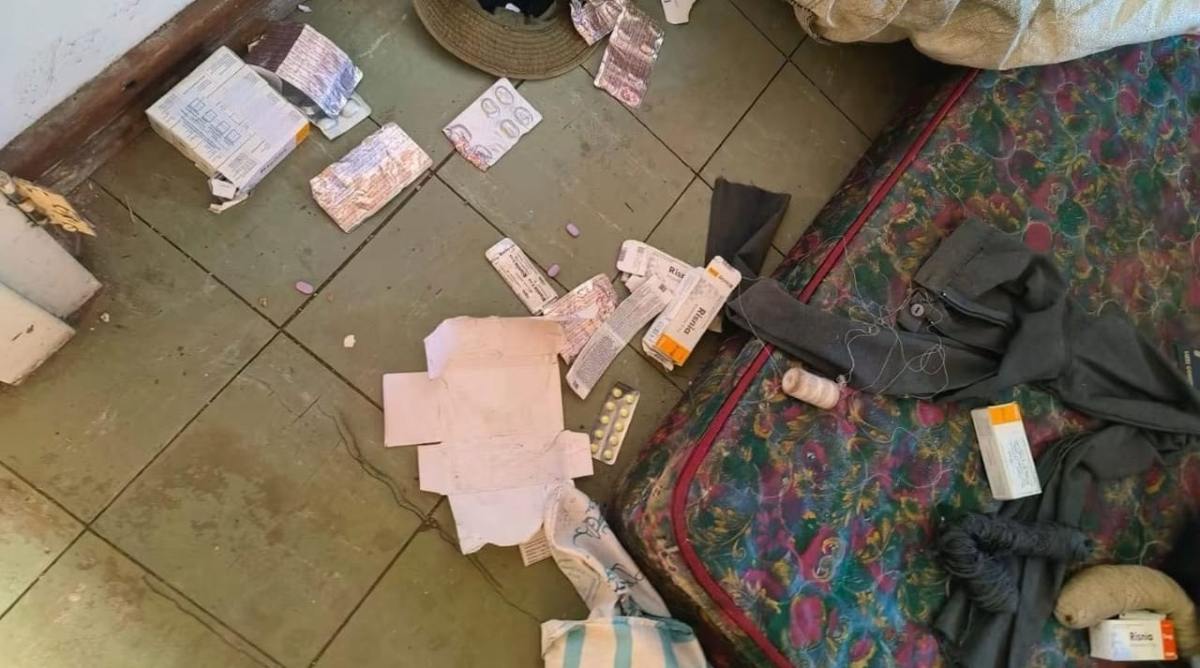
During these inspections, officials encountered further irregularities. Some factory owners locked themselves inside their premises, while others vacated the sites during the operation. Inspectors also discovered undocumented workers residing within the factory buildings, highlighting the scale of non-compliance within the sector.
The issue drew the attention of enforcement authorities, with Deputy Minister of Trade, Industry and Competition (dtic), Alexandra Abrahams, confirming at the end of February 2026 that investigations into the non-compliant garment manufacturers were intensifying.
The parliamentary oversight visit and subsequent media reports suggested potential links between these manufacturing sites and major South African retailers, including The Foschini Group and Pick n Pay.
Following these investigations and responding to Selepe, Minister Meth explained that inspectors had visited all six employers, issuing enforcement notices totalling R6 080 751.
She stated, “All enforcement notices, except on OHSA, have expired, and the Department is referring them to CCMA.”
In a further effort to strengthen compliance, the Minister highlighted that the Department of Labour conducted a strategic advocacy session on 10 March 2026 with Chinese employers operating in Newcastle’s textile industry, emphasising adherence to employment laws.
Meth added that, from April 2026, the Department would implement interventions designed to promote sustainable compliance, although specific details of these measures have not yet been disclosed.
However, as reported by Newcastillian News, the advocacy session on 10 March 2026 saw 31 textile factory owners approach government officials seeking guidance on complying with South Africa’s labour laws.
This resulted in Deputy Minister of Employment and Labour, Jomo Sibiya, leading a departmental delegation to Newcastle on the day.
Officials met with stakeholders in the local clothing and textile sector as part of a broader effort to stabilise compliance within the industry. The delegation included representatives from the Department’s Inspection and Enforcement Services (IES) and Provincial Employment Services (PES).
According to participants in the engagement, several factory owners have now indicated their willingness to work with authorities to address shortcomings in labour practices and workplace conditions. The session aimed to educate factory owners about their responsibilities under South African labour legislation, including the fair treatment of employees, the provision of proper employment contracts, the maintenance of safe working environments, and adherence to statutory requirements.
While government enforcement is being prioritised within Newcastle’s textile sector, some industry observers argue that broader economic dynamics and job security considerations are not being fully addressed.
Speaking to Newcastillian News under the condition of anonymity, a local business owner operating a textile factory in Newcastle’s Industrial area explained that local Chinese and Taiwanese factory owners were currently walking a fine line, with many now looking at moving their factories elsewhere.
“The Newcastle textile sector is currently sitting with a complicated situation, as it is becoming difficult to conduct business in Newcastle, due to these types of raids. I was one of the factories that the portfolio committee visited, and as they walked into my premises, one of the parliamentary committee members already tried to label my factory as a sweatshop. And they had not even conducted the inspection yet,” said the factory owner, who claimed the department had done to him as they had done to the business owners at Normandien Farms.
During the parliamentary inspections in February 2026, Newcastillian News reported that a sawmill at Normandien Farms was issued with a prohibition notice, halting operations with immediate effect, after the Department claimed the facility failed the occupational health and safety (OHS) test by not adhering to general safety regulations; failure to provide hygienic ablution facilities; failure to provide workers with protective personal equipment (PPEs) due to exposure to dust; lack of a dining facility; and alleged ill-treatment of workers subjected to iron-fist management.
However, following the committee’s decision to shut down the sawmill under tense conditions, Gerhard Papenfus, the Chief Executive Officer of the National Employees’ Association of South Africa (NEASA), accused members of Parliament, specifically those serving on the Portfolio Committee on Employment and Labour, of political overreach, intimidation, and racism, with Papenfus stressing that the incident illustrated an attitude towards business that should be deeply concerning for all stakeholders in South Africa.
Taking this into consideration, the factory owner explained that on the day when the department inspected his premises, they merely cut the padlocks off his business gates, walked into the office, and started talking about the business being a sweatshop.
“I have no idea why they felt that they had to cut off the padlock, as we would have opened for them if we knew they were at our gate,” the factory owner pointed out.
Despite his factory not feeling the full effect of the Parliamentary committee, the factory owner acknowledged that while it was essential to ensure labour laws were not being violated alongside human rights, he felt the Parliamentary committee’s oversight tactics were unnecessary.
“It is unfair to paint all the factory owners with the same brush, as those of us who comply with the law don’t know what’s expected of us anymore. No matter what we do, how much we cooperate, we are still targeted, and the damage has now officially been done. There are law-abiding factory owners who are now looking at potentially moving to other towns and provinces, because of the irreversible damage the Department has caused, as a few retailers are now pulling their orders out of Newcastle’s textile sector,” explained the factory owner, who felt the government would now have to look at the way it treated business owners.
As the Newcastle textile sector faces intense scrutiny, speaking to Newcastillian News, AfriForum Newcastle’s Ferdie Alberts explained that he did not believe the Department was handling the matter as effectively as it could.
Having served as Director for Economic Development at Newcastle Municipality, where he worked closely with the textile industry, and as a former active member of the Newcastle Chamber of Business, Alberts stated that the Department’s heavy-handed approach is placing further pressure on Newcastle’s employment sector.
“With ArcelorMittal South Africa’s situation in Newcastle, one would think the Department would be trying to save more jobs,” Alberts noted.
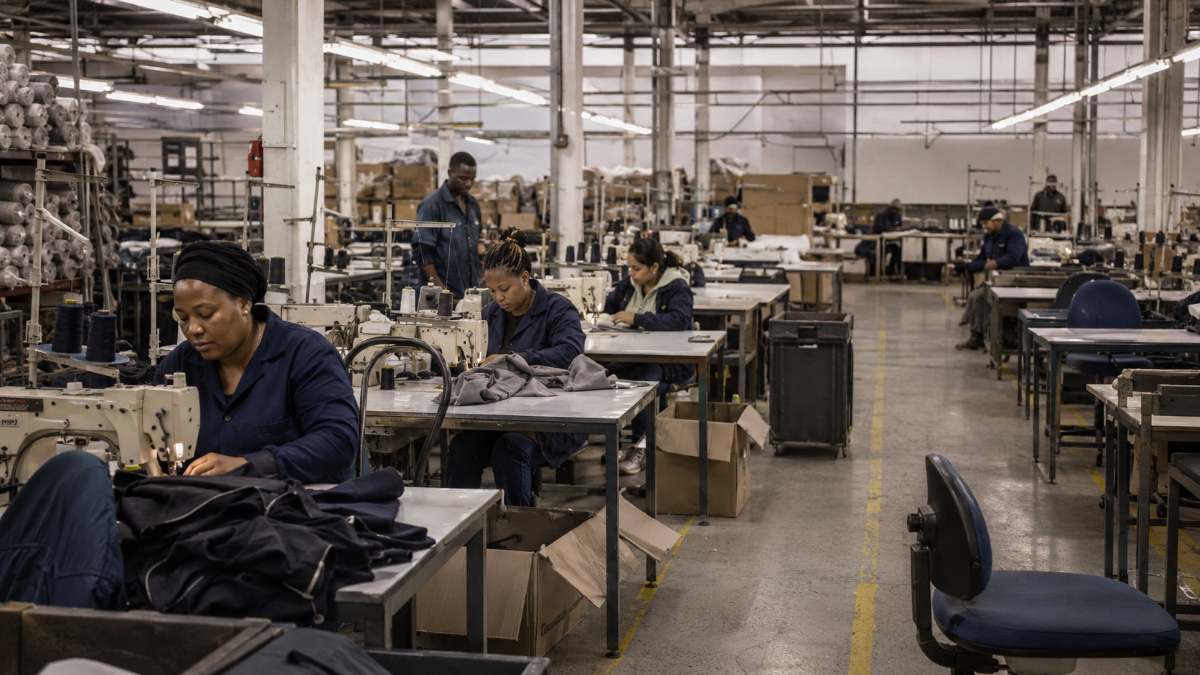
Having gained an in-depth perspective on the local textile industry, Alberts highlighted that there are an estimated 200 factories in Newcastle.
“They are largely cut-make-and-trim operations, meaning that they receive orders from fashion houses, who then supply the necessary materials such as buttons and fabrics, and a price is agreed upon for the final product. However, the pricing regulations for these factories have not changed in three years, meaning they can only charge so much while fuel prices go up, electricity prices go up, and these factory owners are then forced to scrounge in order to maintain their employees,” emphasised Alberts.
Compounding the situation, he noted that certain suppliers exploit these factories to obtain cheaper production, leaving factory owners with minimal profit while still needing to pay their workers fairly.
“There are two perceptions in Newcastle at the moment. The one perception is that once ArcelorMittal South Africa closes its Newcastle Works the town will disappear. The second perception is that all Chinese factory owners exploit their workers, and neither of these are true, and these perceptions need to change,” Alberts said, emphasizing that the Department should focus on projects and initiatives that support local textile factories rather than punishing them.
However, when looking ahead at Newcastle’s textile sector, Councillor Bertie Meiring, the Newcastle Municipality’s chairperson of its Development Planning and Human Settlements portfolio committee stressed that while the local factories play an important role with the local economy and the textile sector at large, stringent regulations were necessary
Speaking to Newcastillian News, Councillor Meiring said;
“We need factories to enhance economic development in Newcastle, which is by creating jobs with salaries that are as stipulated by Legislation, and the development of skills. It is not acceptable if the work conditions are very poor, as well as very low salaries. We know that people are desperate for work and will do anything for a couple of rand. But to exploit the situation is not accepted.”
The friction between the Department of Labour and Newcastle’s textile industrialists has created a complex environment where the pursuit of statutory compliance now intersects with concerns regarding a potential exodus of capital.
While the recovery of R6 million serves as a signal that the state intends to enforce worker rights and safety standards, stakeholders suggest the methodology of these raids has alienated business owners essential to the town’s economy. If the Department continues to prioritise punitive enforcement over the structural support requested by the factories currently operating in the region, the industrial sector may face a significant contraction.
Ultimately, the future of Newcastle’s garment industry depends on the ability of all parties to move beyond a binary narrative of enforcement versus non-compliance. As global economic pressures and stagnant pricing regulations continue to squeeze local manufacturers, stakeholders are calling for the state to transition toward a more collaborative role.
Effective reform requires more than clearing enforcement notices; it necessitates an industrial policy that addresses rising utility costs, protects law-abiding owners from collective stigma, and prevents the economic instability that currently threatens the town’s employment landscape.
What are your thoughts on this? Let us know below.
Newcastillian News invites your input. We ask that you keep your remarks courteous and on-topic. We do not allow any form of hate speech, such as racist or sexist comments. All comments are subject to moderation in line with our User Rules and Commenting Policy.