


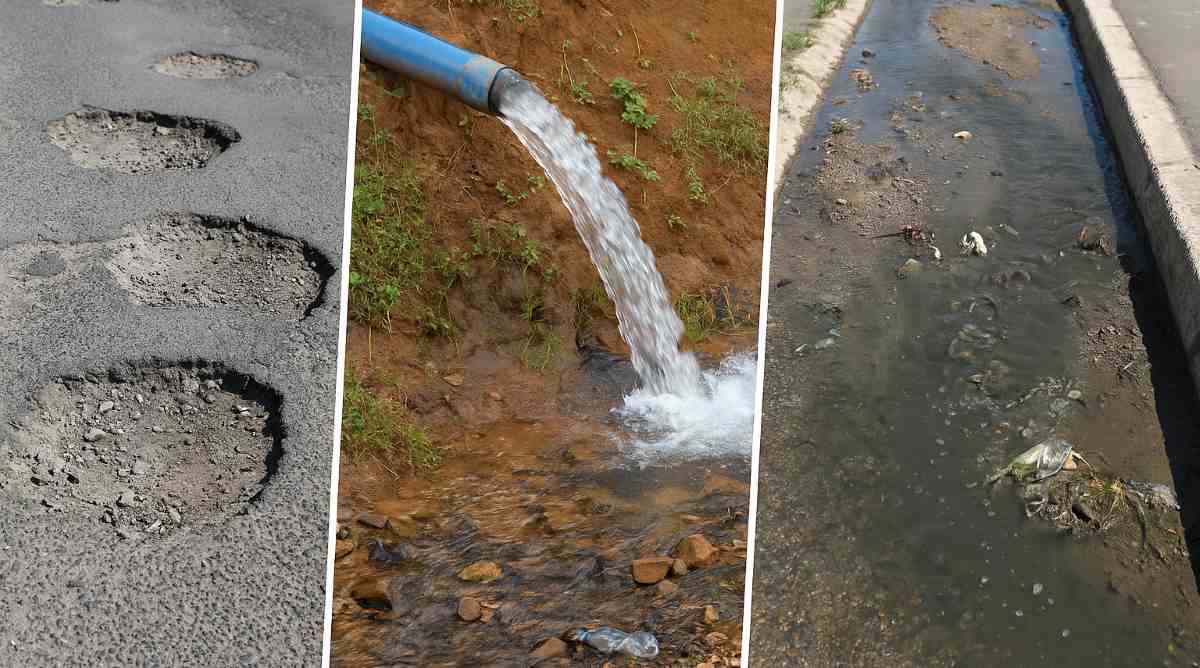
KwaZulu-Natal’s municipalities are losing vast sums of public money while failing to deliver the most basic services, a situation the Auditor-General of South Africa (AGSA) warns is now entrenched and worsening.
Presented to the National Council of Provinces on 18 November 2025, the 2023/24 Municipal Finance Management Act (MFMA) audit findings reveal a province battling a systemic collapse of financial controls, infrastructure planning, and accountability — with residents paying the price through outages, refuse pile-ups, broken roads, failing sewage systems, further eroding trust in government institutions.

The AGSA captures the problem bluntly: “Lack of accountability and poor financial management impede service delivery.”
Furthermore, the report exposes staggering financial losses at municipal level, including:
- R272.89 million in fruitless and wasteful expenditure — largely due to late payments, penalties, poor contract oversight, and administrative failures.
- R3.79 billion in unauthorised expenditure from overspending beyond approved budgets.
- R220 million spent on financial reporting consultants — yet almost half of those municipalities still submitted incorrect financial statements.
- R1.15 billion in estimated losses linked to 60 identified material irregularities, including payments for goods and services never delivered.
Despite this, consequence management remains rare, slow, or ineffective, with implicated officials often avoiding disciplinary action.
While municipalities continue spending, service delivery outcomes tell another story.
In some cases, municipalities achieved as little as 32% of planned targets despite exhausting nearly their entire annual budgets. The gulf between spending and results reflects weak performance management, poor planning, and ineffective oversight.
To compound matters, 26% of municipalities ended the year in deficit — spending more than they earned — threatening future service delivery, operational continuity, and salary obligations.
Revenue recovery remains dire. At 17 municipalities, more than 80% of outstanding debt is considered unrecoverable, while 16 municipalities take over 90 days just to collect what they are owed.
This leaves already distressed councils unable to fund water, electricity, refuse, road maintenance or repair decaying infrastructure — forcing them into deeper financial instability.
The province’s infrastructure issue is no longer isolated — it is systemic.
AGSA audits of 15 major infrastructure projects revealed failures in every one of them, including:
- delayed or abandoned construction
- inflated project costs
- poor contractor performance
- inadequate planning and oversight
- environmental and safety non-compliance
- infrastructure built but never commissioned or used
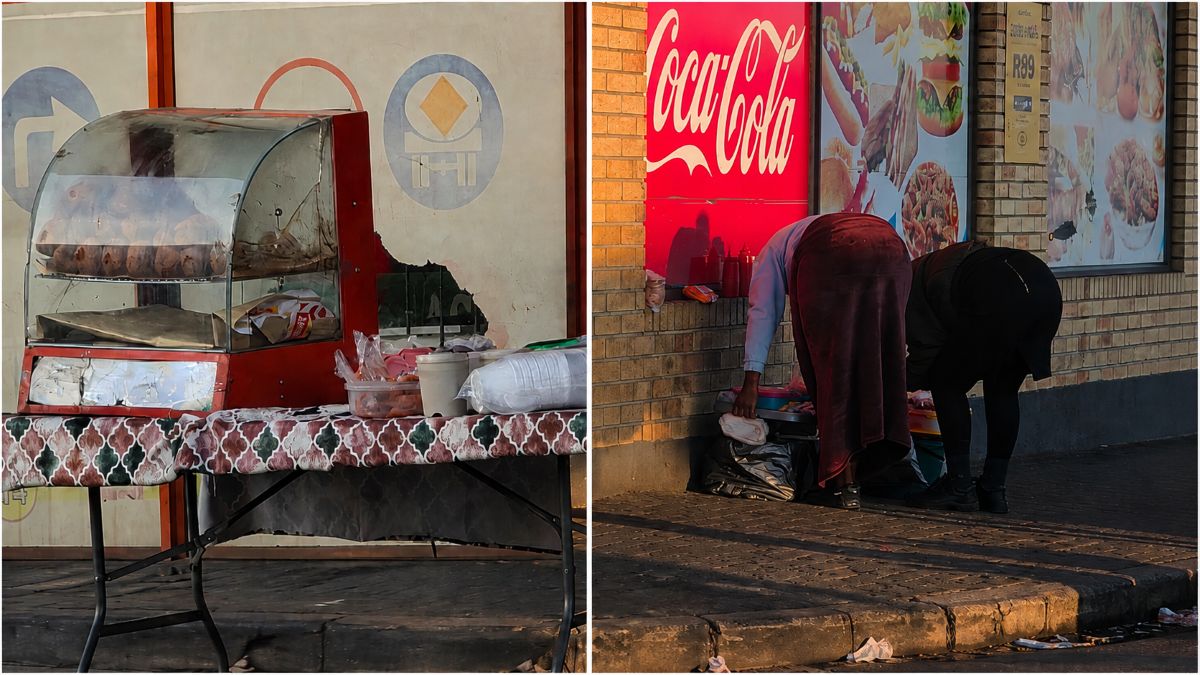
The result? Communities continue living without reliable access to water, sanitation, roads, electricity or waste management, despite public money having been spent.
As noted by the report, consultants replace skills, but not outcomes
Rather than developing internal capacity, 87% of KZN municipalities continue relying on consultants year after year, often for tasks that should fall within core municipal financial functions.
Yet 47% still submitted materially misstated financials, signalling both dependency and inefficiency, and raising serious concerns about value for money, skills transfer and long-term sustainability.
Look at some positivity; seven municipalities achieved clean audits in 2023/24 — a slight improvement from previous years. However, most remain unqualified with findings, qualified, adverse or disclaimed — reflecting persistent weaknesses in leadership, record-keeping, financial controls and compliance.
The AGSA warns that some municipalities have become complacent, settling for “unqualified with findings” rather than striving for proper financial credibility and audit certainty.
Moreover, the report highlights a repeated pattern:
- Audit findings are acknowledged.
- Action plans are drafted.
- Little to no implementation follows.
Inconsistent oversight, unstable leadership, political interference and weak internal controls mean that the same failures reappear annually — with growing financial impact.
This culture, the AGSA notes, enables waste, mismanagement and service degradation to continue unchecked.
The consequences are not abstract, they affect households daily:
- water interruptions and shortages
- collapsing sewage infrastructure and environmental contamination
- increased fire, disaster and health risks
- failing road networks
- unreliable electricity supply
- growing protest action and social tension
As the AGSA notes, the longer systemic failures persist, the harder, and more expensive, they become to reverse.
To prevent further deterioration, AGSA urges:
- decisive consequence management for financial misconduct
- improved project planning, monitoring and contract oversight
- strengthened revenue collection and debt recovery
- investment in internal municipal skills rather than outsourced dependency
- proper budgeting aligned to realistic service-delivery targets
- transparent, community-centred governance
Most importantly, municipal leaders must act on audit findings — not merely acknowledge them. This defeats the point of the process, once again placing residents in the background of decision making.
KwaZulu-Natal is not short of budget allocation, legislation, administrative structures or audit guidance. What it lacks, the AGSA argues, is urgency, accountability and ethical leadership.
Until those elements exist consistently across municipalities, the financial haemorrhaging, and service collapse experienced by millions, will continue.

To read the full report, click here.
For residents already living with deteriorating services, the warning is clear: unless governance reform becomes a priority, the cost will keep rising — in rands, infrastructure, jobs, dignity and public trust.
What are your thoughts on this? Let us know below. Do you believe there is a solution to this problem?
Do not forget to read, Newcastle’s Municipal Debt Reaches R2.3bn: Is the Revenue Drive Actually Working?, if you missed








2 Responses
Shocking & unacceptable!!! Fire all the responsible people for what We go through daily….& start from scratch….
Not losing money but stealing it in sinister ways. With all the publicity given nothing constructive is being done about it.A free for all without accountability or consequences