


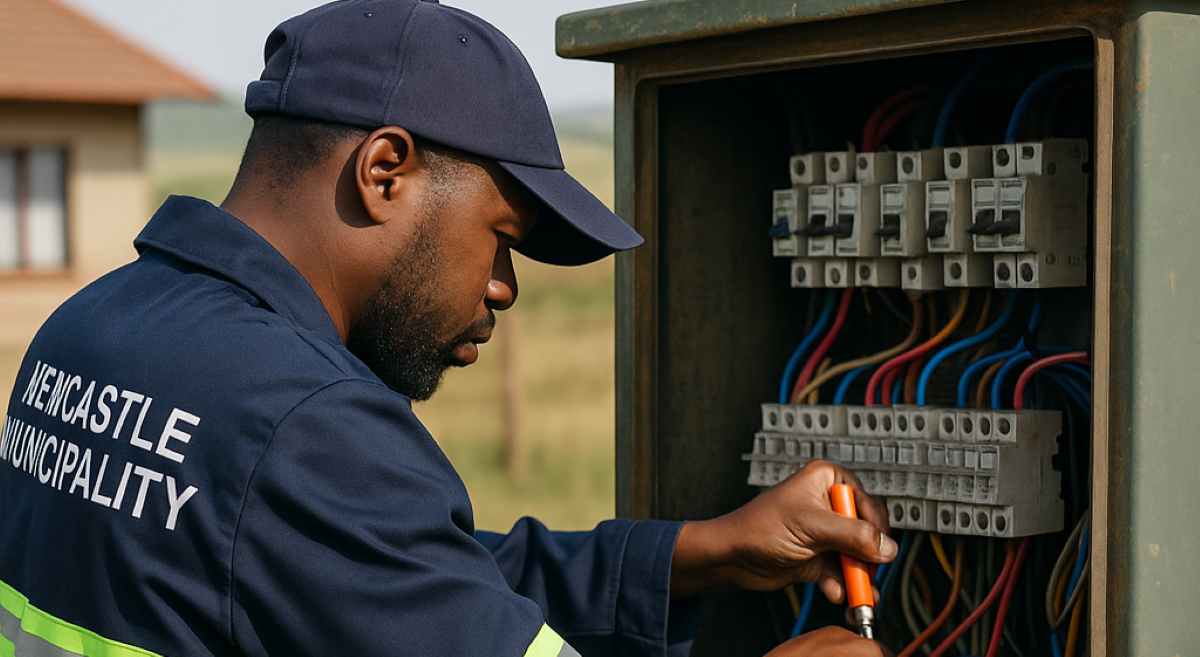
For years, non-payment for municipal services has crippled the Newcastle Municipality, with residents of Madadeni and Osizweni continuing to access electricity, water, and sanitation without making financial contributions. This long-standing imbalance has pushed municipal arrears to nearly R2 billion, leaving ratepayers in Newcastle West to bear the cost.
Now, the Municipality has stated that it is attempting to confront the problem through its newly launched Debt Collection and Revenue Enhancement Drive—though scepticism remains high given the mixed outcomes of previous initiatives.
On Tuesday, 11 November 2025, the Municipality launched the programme in Madadeni, marking a renewed effort to recover outstanding revenue and enforce payment compliance. In a statement, the Communications Unit explained, “Currently, the Newcastle Municipality is owed approximately R2.3 billion by residents, businesses, and government institutions. This has resulted in a monthly revenue shortfall of over R40 million, making it increasingly difficult for the Municipality to deliver essential services and maintain infrastructure at the expected standard.”

The initiative blends enforcement with assistance, offering repayment support alongside stricter measures such as water restrictions for non-paying households, the expropriation of vacant or abandoned properties, the issuing of summonses and letters of demand, quarterly debt collection operations, installation and replacement of faulty or illegal water meters, and facilitation of property transfers for deceased owners. To encourage compliance, residents are being offered 50% and 70% repayment plans, as well as debt write-off options for qualifying households, pensioners, and unemployed residents.
Furthermore, the Mayor called on residents to recognise their shared responsibility, stating, “We appeal to our residents to take responsibility for their municipal accounts and contribute to the growth and development of our city. Your payment for services is crucial for us to deliver quality services and maintain our infrastructure.”
However, the Municipality’s track record tempers public optimism.
As previously reported by Newcastillian News on 19 August 2024, Newcastle East owed R1.57 billion as of December 2023, with debt collection rates averaging just 16.67% over three years—compared to 89% in Newcastle West.
At that time, the Department of Cooperative Governance and Traditional Affairs (CoGTA) had appointed a service provider to assist with debt recovery, while the Municipality explored appointing external collectors for summonses and credit bureau listings. Seven months later, progress had stalled, recovery rates had barely shifted, and officials warned that continued non-payment could lead to further disconnections and infrastructure deterioration.
By late 2024, the Municipality’s financial situation had become increasingly fragile. Municipal Manager Zamani Mcineka described Newcastle as “technically bankrupt,” citing R1.74 billion in creditor liabilities against a cash balance of just R26 million, and loans exceeding R521 million that had been diverted from infrastructure projects.
Despite promises of tighter oversight and targeted repayment, residents at public meetings voiced frustration over persistent failures in water delivery, sewage management, and street lighting—services that could have been improved had funds been properly allocated.
By mid-2025, public discontent deepened. As Newcastillian News reported on 18 September 2025, residents criticised monthly bills exceeding R10 000 for unreliable water and electricity, while Newcastle East’s arrears approached the R2 billion mark.
Mayor Dube responded with assurances of tariff reviews benchmarked against larger metros, consultations with the South African Local Government Association (SALGA), and the creation of a resident oversight committee. Yet months later, the committee had not materialised, leading residents to express growing disillusionment: “Promises for years, but nothing changes.”
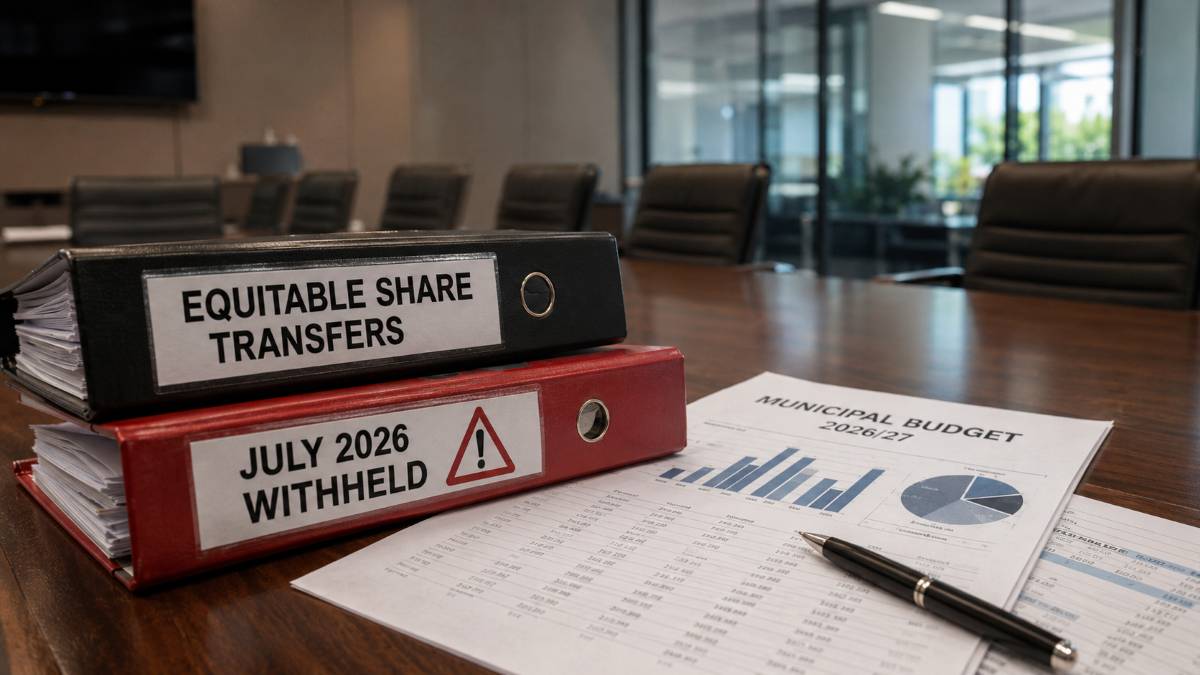
CoGTA MEC Reverend Buthelezi recently confirmed that while grants and Treasury allocations had been directed to Newcastle, non-payment by residents in Madadeni and Osizweni continues to exert “huge strain,” with western ratepayers effectively subsidising the east.
Despite repeated pledges, “tangible improvements in debt recovery or tariff relief remain absent,” he said, prompting fresh calls for possible Section 139 intervention as the Auditor-General scrutinises the municipality’s performance.
For residents, the stakes could hardly be higher. As infrastructure continues to deteriorate and arrears escalate, Newcastle East faces growing pressure to contribute its fair share—or risk perpetuating a cycle of dysfunction and inequity borne by those who do pay.
Councillor Bebsie Cronje from the Municipal Public Accounts Committee said that if the new collection drive succeeds, it could bring meaningful relief to the city’s financial constraints. “This project is costing the Municipality money, but the Municipality is genuinely trying to enhance revenue collection,” she noted. While recognising the administration’s efforts, Cllr Cronje stressed that compliance from Newcastle East residents remains crucial.
“In Newcastle West, if you do not pay your utility bill, your services are cut off and reinstated only once payment is made. In the east, however, Eskom supplies power directly to Madadeni and Osizweni, while water cannot be cut off as it is a constitutional right. While we’re hopeful this initiative will succeed, we need Newcastle East to come on board and pay their bills so the city can survive,” she said.
AfriForum’s Peet Liebenberg expressed doubts over the campaign’s potential impact. “I have my doubts this initiative will be effective, as there are individuals in Newcastle East who can afford their monthly utility bills but simply don’t pay because it’s convenient for them and nothing gets done,” he said.

Moreover, Liebenberg estimated that only a small portion of residents are likely to comply, citing a deeply entrenched culture of non-payment. “The officials may have the will, but the council lacks it. Even with the new drive, I don’t see revenue collection improving by more than one or two percent.”
The new initiative exposes both the structural and behavioural challenges at the heart of Newcastle’s financial problems. Its success depends not only on stronger enforcement, but also on a collective willingness from residents to take responsibility for their own homes and businesses. Without a change in payment culture, infrastructure and service delivery will continue to decline—leaving Newcastle West’s ratepayers to carry the load.
At the same time, the campaign highlights the Municipality’s limited authority over services such as electricity that fall outside its jurisdiction. Its outcome will be watched closely, as the Municipality’s ability to stabilise revenue may well determine the future of local governance and the city’s economic survival.
What are your thoughts on this? Let us know below.
Be sure to read, Open Drug Use Persists in Newcastle CBD Amid Limited Police Visibility, if you missed it.







One Response
If I miss a single payment, Some oke rocks up in a flashy car, suit, gold watch, Switches power off, Throws paper on drive way and that’s that. How is it possible for the service debt to reach this excessive amount?
Seems its only those who pay are punished and put in line when the buck stops…
I can see it around town, with the Police, the Traffic Officers all target the people who will pay……
I think it’s time to clean house and remove all the rot…