Estimated reading time: 3 minutes
Eskom is fending its proposed 20.5% tariff increase for 2022/23. A move that will result in a larger-than-life negative impact on the country. From production lines to petrol stations, everything is impacted by the price of electricity.
Supporting its absurd proposed price hike, on Monday, 17 January 2022, Eskom claimed that most of the cost increase was caused by two factors beyond its control: the requirement to increase energy purchases from independent power producers and the rise in carbon taxes.
These two factors accounted for 13.8% of the proposed price increase, while increases in operating expenses accounted for 7.5%, and primary energy cost hikes accounted for 6.5%.
Eskom’s leadership would like to think that the average Newcastillian has forgotten that the power utility has had ample years to remedy and adjust. Yet, here we are.
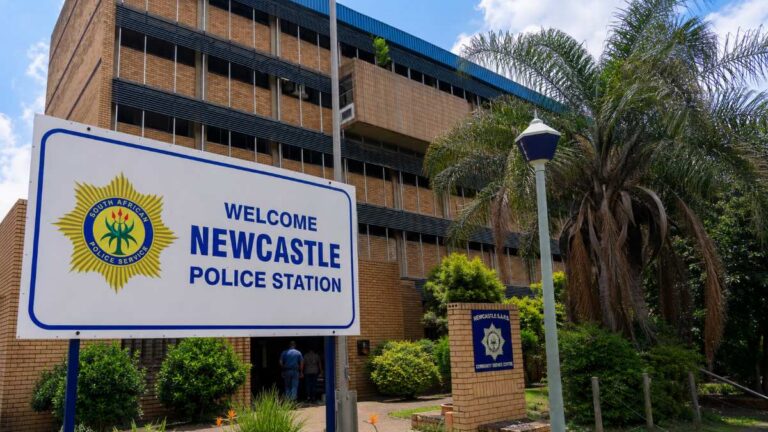
Adding to Eskom’s problems, the tariff increase could potentially affect deals between municipalities and the SOE. One such government entity is Newcastle Municipality.
If you can recall, Newcastle Municipality made national headlines in 2019 after it was revealed that the government entity owed the power utility more than R200 million.
The situation had deteriorated to such a degree that Eskom threatened to cut off power to Newcastle.
Thankfully, a deal was made. The Newcastle Municipality has subsequently paid the agreed amount, keeping the town powered.
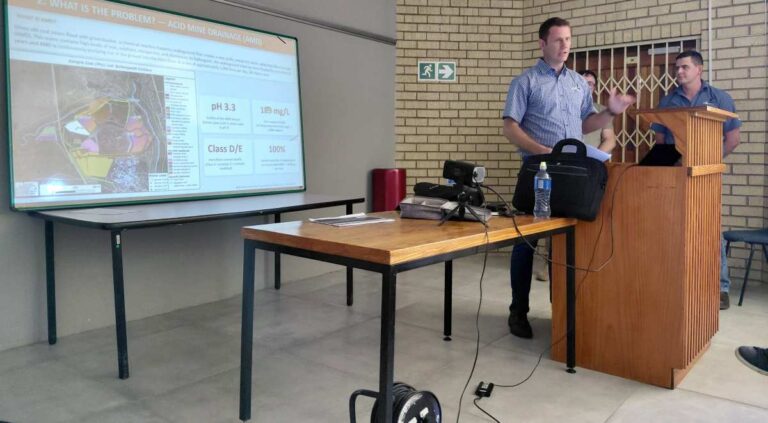
However, on Tuesday, 18 January 2022, during an Executive Council (EXCO) meeting at Newcastle Municipality, Deputy Mayor Musa Thwala enquired whether the municipality was still adhering to the payment agreement with the power utility.
Vish Govender, Acting Municipal Manager, then confirmed that the local municipality is still honouring the agreement. Further stating that the municipality makes regular payments in the range of R6.3 million to R6.4 million.
“So, we must continue to pay Eskom for another two to three years to get this debt off, provided that our collection and rate maintains and provided we don’t have a situation that Eskom increases the tariff and our budget cannot accommodate that increase.”
When it comes to tariff increases, according to Govender, they are usually set at 10%, but Eskom now wants 20.5%.
Given this, Govender highlighted, “It will then see financial pressure on the Municipality and possibly run up to the situation where we land up in court again.”
He urged Exco members to remain optimistic about the outcome of the negotiations between Eskom, the National Energy Regulator of South Africa (NERSA), and the South African Local Government Association (SALGA).
However, he stated that if Eskom goes ahead with the price increase, the municipality will have to consider implementing strategies.
Concerningly, the Newcastle Municipality is currently running at a R22 million monthly deficit.
If Newcastle Municipality wants to buffer the effects of Eskom’s increase, Govender emphasised, “You need to make serious decisions as a council.”
This, he says, includes retrenchments and restructuring departments accordingly.
Implementing a series of strategies and taking a proactive stance are the only ways Govender believes the Newcastle Municipality can weather the storm that tariffs may bring while ensuring the municipality’s debt is not affected.
What are your thoughts on this? Share your views in the comment section below.
RELATED NEWS