


Estimated reading time: 3 minutes
The KwaZulu-Natal Department of Education finds itself under scrutiny for spending over R650 million on mobile classrooms.
This shocking revelation follows a written response from the Department to IFP MPL Mntomuhle Khawula after questioning the MEC for Education on the number of mobile classrooms in schools per district in KwaZulu-Natal.
Khawula explains the KZN Department of Education has 2849 mobile classrooms in total. The leading district in the province is Zululand with 522, followed by Pinetown with 457, and third is Ugu with 357, followed by Umkhanyakude with 303. Moreover, Umzinyathi has 278, Harry Gwala holds 216, UThukela has 211, the Amajuba District comes in with 125, King Cetshwayo with 120 and lastly, Umlazi with 107. The districts with the lowest number of mobile classrooms are Umgungundlovu at 98 and Ilembe at 55.
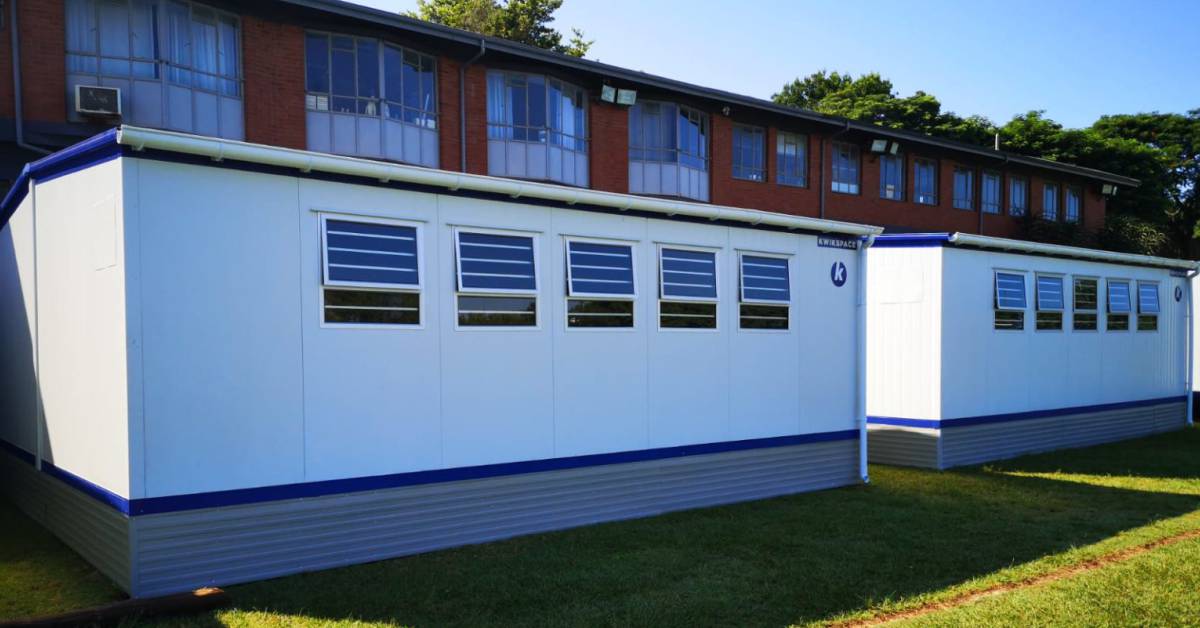
Following this, Khawula questioned the cost per mobile classroom, “The Department responded that they purchased mobile classrooms at a cost of R230 000 each.”
This means that from 2016 to date, at a cost of R230 000 per unit, the Department has spent R655 270 000 on mobile classrooms. The IFP highlights that most of these portable classrooms are situated in rural areas and townships.
With this in mind, Khawula says, “This situation does not help to improve the quality of education in our province, and does not help to bridge the gap in the quality of education between the rural and townships schools with those in the cities and towns.”
He further elaborates that while the IFP is conscious of the fact that mobile classrooms are a quick response to the immediate shortage of classrooms, they feel the provision of brick and mortar classrooms could have saved the Department millions of rands.
According to Khawula, the lifespan of a mobile classroom is short, and they are also easily vandalised when there are break-ins at schools.
Department spokesperson Muzi Mahlambi has explained the buying of mobile classrooms stems from a series of unforeseen circumstances. He points out; this includes natural disasters, which no one plans for, meaning the classrooms were built for when the need arises and as a temporary measure.
What are your thoughts on the money spent on mobile classrooms? What do you think is the best solution for these schools?
Share your views with us in the comment section below.












One Response
Can the be an investigation into the real cost of making these classes, it seems to be a bit excessive to build one class at this price. And check who gained the most from this project.