

A new El Niño phase is projected to begin within days, prompting renewed concern over the strain it could place on water systems already battling ageing infrastructure, high water losses, and recurring supply interruptions.
According to the World Meteorological Organisation (WMO), El Niño conditions are developing as unusually warm ocean waters build across the tropical Pacific.
Over the coming months, this climate pattern is expected to influence global temperature and rainfall patterns, raising the risk of severe drought, heavy rainfall, and heatwaves on land and across the oceans.
For Northern KwaZulu-Natal, the concern is more immediate: can the bulk water infrastructure serving towns like Newcastle, Utrecht, and Ladysmith withstand the pressure of a potentially hotter and drier summer?
The WMO has indicated that the weather pattern is expected to develop between July 2026 and August 2026, with the probability of El Niño continuing until at least November remaining near or above 90%.
While there is still uncertainty around its eventual strength and timing, most forecasting models suggest the event could be at least moderate, with the potential to become strong.
In a video address, United Nations Secretary-General António Guterres warned:
“The science is clear: El Niño is arriving on our doorstep in the coming months with 90% certainty. The world must treat it as the urgent climate warning it is. El Niño conditions will pour fuel on the fire of a warming world. Impacts will hit even harder, travel even farther, and cross borders with devastating speed. The only effective response is climate action equal to the crisis – ending the addiction to fossil fuels, accelerating the shift to renewables, protecting the most vulnerable, and delivering early warning systems for all.”
The WMO further noted that sea-surface temperatures in the central-eastern Equatorial Pacific, a key monitoring region for El Niño, were rapidly approaching threshold levels between late April and mid-May.
“These increasing surface anomalies are being fed by unusually warm subsurface conditions across the tropical Pacific, with temperatures exceeding 6 °C above average and providing a substantial reservoir of heat that is contributing to the observed surface warming,” the organisation stated.
It added that the Southern Oscillation Index, which measures the atmospheric component of El Niño, was also consistent with developing El Niño conditions.
WMO Secretary-General Celeste Saulo added:
“We need to prepare for a potentially strong El Niño event – which will exacerbate drought and heavy rainfall and increase the risk of heatwaves both on land and in the ocean. The most recent El Niño, in 2023-24, was one of the five strongest on record and it played a role in the record global temperatures we saw in 2024.”
She further explained that meteorological agencies would continue tracking developments closely to guide decision-making by governments, humanitarian organisations, and climate-sensitive sectors.
What this could mean for South Africa
The South African Weather Service (SAWS) has confirmed that the Southern Oscillation Index is expected to strengthen heading into early summer, with El Niño conditions likely to continue until the end of the 2026/27 summer season.
“Predictions are more confident now as we have moved out of the reduced performance period for ENSO forecasts. Current seasonal predictions for South Africa extend towards the transition from winter to spring, so the impact on South Africa for the coming summer can only be estimated from typical El Niño events, which is for a drier and warmer summer season,” SAWS noted.
The weather service added that, during winter, significant rainfall is generally confined to the south-western, southern, and eastern coastal belts.
According to SAWS, eastern coastal regions are expected to receive above-normal rainfall during winter and early spring.
By contrast, below-normal rainfall is anticipated across the south-western and southern coastal areas during the remainder of late winter and early spring.
“Minimum and maximum temperatures are largely expected to be above-normal for most parts of South Africa during the winter seasons. The SAWS will continue to monitor the weather and climate conditions and provide updates on any future assessments that may provide more clarity on the current expectations for the coming season,” the weather service stated.
Adding to this outlook, independent climate modelling by the University of Pretoria points to a notably intense El Niño event during the 2026/27 summer.
The university also highlighted that forecasts for above-normal maximum temperatures generally carry higher confidence than rainfall forecasts.
“During winter, indications of above-normal maximum temperatures are evident across most of the region, and the extent of above-normal maximum temperature forecasts increases during late winter and spring. By spring, above-normal maximum temperatures are the dominant and most spatially coherent forecast signal across much of the region,” the university stated.
With regard to rainfall, the university noted that winter outlooks show enhanced probabilities of above-normal rainfall only in limited parts of the summer rainfall region.
As late winter progresses, its models point to below-normal rainfall over parts of the south-western Cape.
Moving into early spring, some areas within the summer rainfall region may see an increased probability of above-normal rainfall, suggesting a possible early start to the wet season.
However, by mid-spring, below-normal rainfall signals begin emerging across parts of the central summer rainfall region, while reduced rainfall probabilities remain over portions of the winter rainfall zone.
Northern KZN identified as a high-priority monitoring area
Against this backdrop, Newcastillian News asked the Department of Water and Sanitation (DWS) whether the bulk water infrastructure serving Newcastle, Utrecht, and Ladysmith is sufficiently prepared for the possible effects of El Niño.
In response, the DWS explained that its planning is guided by official climate and hydrological monitoring systems. These include SAWS seasonal outlooks, real-time dam-level tracking, river-flow monitoring, and catchment operating protocols.
“While international and national climate outlooks indicate a need for heightened preparedness for possible drier and warmer conditions, the Department avoids non-technical terminology such as “Godzilla El Niño” or “super El Niño” in official planning. Our planning is based on measured storage levels, rainfall outlooks, river flows, demand projections, infrastructure condition, and drought operating rules,” the DWS stated.
The department stressed that two separate risks must be understood.
The first is water-resource risk, which refers to the raw volume of water available in dams, rivers, and aquifers. The second is infrastructure and operational risk, which includes ageing pipelines, failing pump stations, limited treatment capacity, electricity interruptions, vandalism, severe water losses, and municipal distribution failures.
“In many affected towns, supply interruptions are often driven by infrastructure and operational constraints even where regional dam storage is not yet at critical drought levels,” the DWS acknowledged.
This distinction is particularly important for Newcastle, Utrecht, and Ladysmith, where communities have already experienced repeated water disruptions linked to infrastructure weaknesses.
“The Department’s current diagnostic assessment is that the northern KZN systems must be treated as high-priority monitoring areas ahead of the coming summer season. However, the current publicly available dam-level data does not indicate that all major source dams serving these areas are presently at critical failure levels,” the DWS revealed.
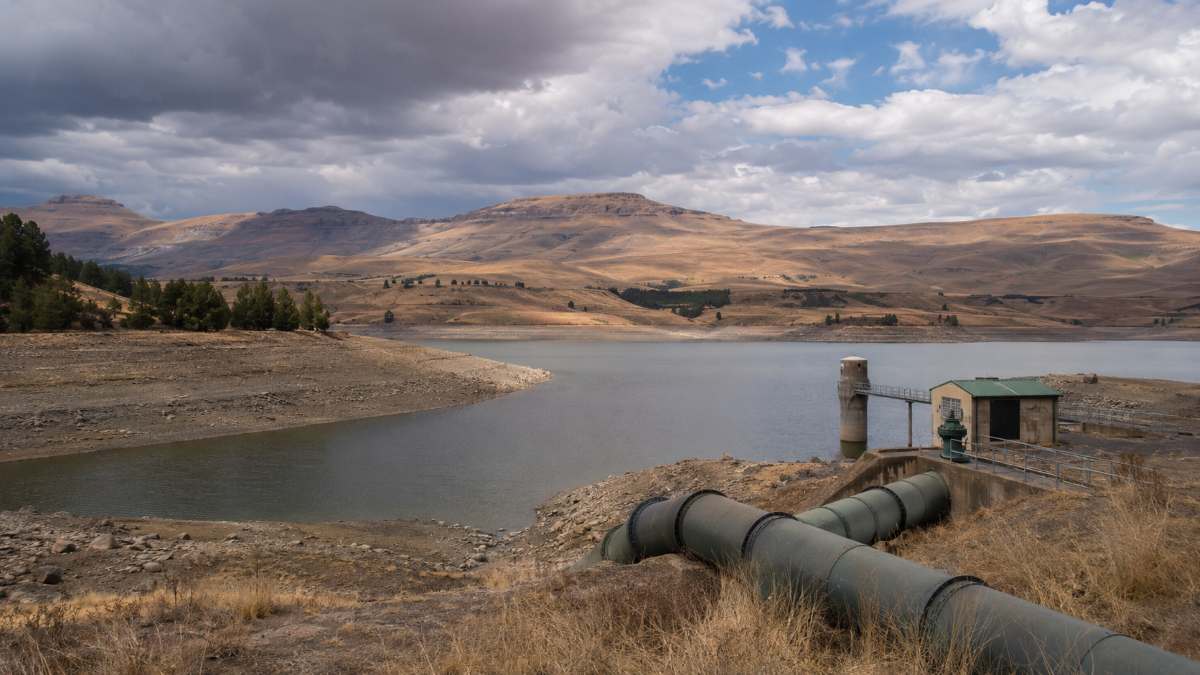
For Newcastle and surrounding areas, the DWS identified Ntshingwayo (Chelmsford) Dam as the key strategic source.
The department said the dam is being monitored closely because its current capacity is materially lower than other major dams across KwaZulu-Natal. Zaaihoek Dam is also being tracked within the broader Amajuba district resource framework.
For Ladysmith and the greater uThukela network, bulk sources such as Spioenkop Dam and Woodstock Dam remain subject to weekly hydrological reporting.
“The main vulnerability in these towns is, therefore, not limited to raw-water availability. The Department is equally concerned about the condition and reliability of bulk and municipal infrastructure, including ageing pipelines, pump station reliability, treatment works performance, reservoir storage, non-revenue water, and the ability of municipalities to respond rapidly to bursts, leaks and operational failures,” the DWS explained.
The DWS said it is following a risk-based approach to bulk-water mitigation, rather than waiting for source dams to reach severe stress levels before acting.
This approach includes continuous weekly monitoring of strategic dam capacities, river volumes, and local rainfall trends.
It also involves the application of formal dam operating rules, regulated release schedules, and ongoing assessments of abstraction demands against available reservoir storage.
The department said it is also prepared to recommend and enforce water restrictions if hydrological triggers are breached. However, it emphasised that restrictions are not imposed arbitrarily.
“They are considered when storage trends, inflows, demand, seasonal forecasts and system operating rules indicate that intervention is necessary to prevent a system from entering a high-risk or failure condition. The Department will continue to communicate such measures through the appropriate intergovernmental and public channels should they become necessary,” the department added.
According to the DWS, domestic supply and essential water services would be prioritised during heightened drought-risk periods.
The department is also coordinating with municipalities and water-service providers to manage demand, regulate pressure, reduce leaks, and allow reservoirs to recover.
Further measures include the monitoring and policing of unlawful water abstraction, along with direct support aimed at speeding up the refurbishment of bulk infrastructure, including pump stations, reservoirs, treatment works, and primary pipelines.
Because Newcastle, Utrecht, and Ladysmith have been identified as high-priority monitoring zones, the DWS said it is working through established intergovernmental channels with the Amajuba District Municipality, Newcastle Local Municipality, eMadlangeni Local Municipality, uThukela District Municipality, and Alfred Duma Local Municipality.
This support includes technical oversight, funding compliance monitoring for DWS-backed infrastructure projects, project-readiness assistance, and intervention where administrative delays are holding back bulk water projects.
Key focus areas include fast-tracking priority bulk-water supply and storage initiatives, supporting localised water conservation, improving municipal metering, and strengthening water-balance data.
The DWS also wants municipalities to reduce systemic losses caused by leaks and decaying infrastructure, improve preventative maintenance schedules, and develop practical drought preparedness and contingency plans.
The department made it clear that long-term drought readiness cannot rely only on new infrastructure. Existing municipal assets must be maintained, water losses must be reduced, response times must improve, and local councils must have working emergency plans in place.
Newcastle’s water losses remain a major concern
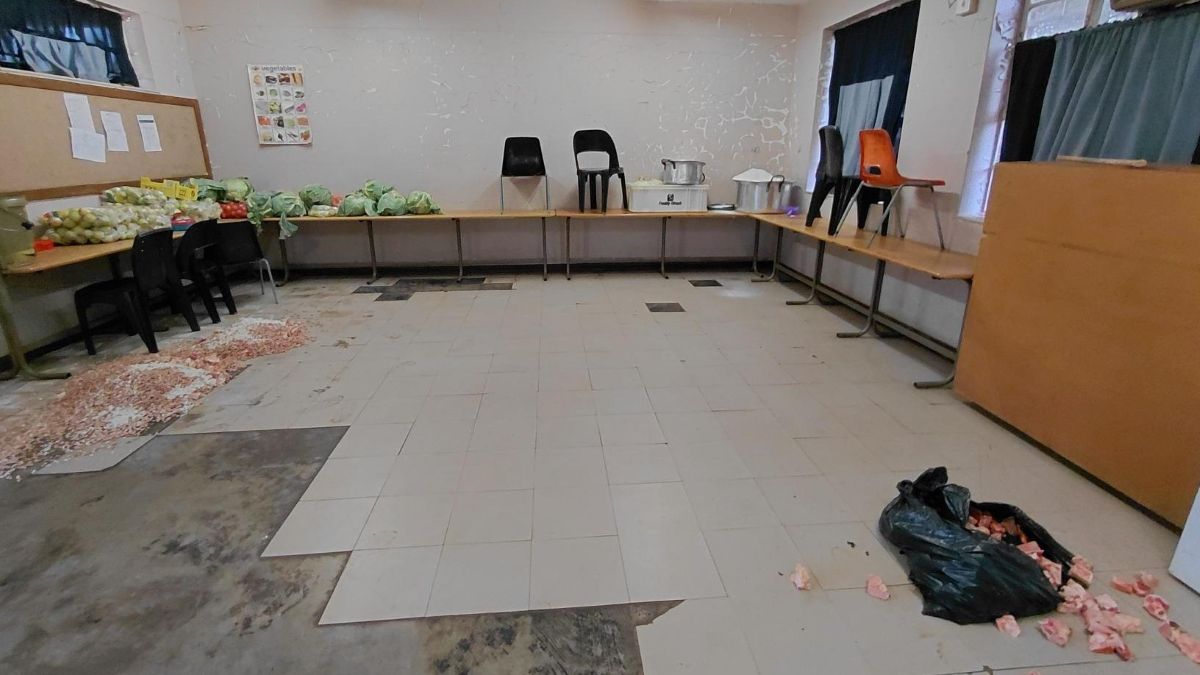
One of the biggest local vulnerabilities remains Newcastle’s severe water loss problem.
As previously reported by Newcastillian News, Auditor-General Tsakani Maluleke’s 2024/25 local government audit outcomes, presented to Parliament on Wednesday, 24 June 2026, highlighted serious weaknesses in Newcastle’s infrastructure maintenance.
According to the Auditor-General’s findings, Newcastle and its adjacent townships, including Madadeni and Osizweni, continue to suffer from high volumes of unaddressed leaks, poor maintenance, and operational inefficiencies. The municipality also lacks standard operating procedures and a formal maintenance plan for water loss management.
As a result, financial losses from unaccounted-for water increased to R74.65 million, up from R61.93 million in the 2023/24 financial year.
This means that, while El Niño may heighten pressure on available water resources, local infrastructure failures remain one of the most immediate risks to reliable supply.
Despite the potential impact on communities, Newcastle Local Municipality, eMadlangeni Local Municipality, and Alfred Duma Local Municipality did not respond to formal press enquiries about their readiness plans prior to publication.
In light of the municipalities’ silence, Newcastillian News asked the DWS what backstop measures are in place to protect Northern KZN towns from severe, multi-week water outages.
The department said its current monitoring systems are more advanced than those used during previous drought cycles. These include weekly reporting, catchment-level diagnostics, updated climate outlooks, and ongoing municipal oversight.
For Northern KwaZulu-Natal, emergency preparedness efforts include close monitoring of Ntshingwayo, Zaaihoek, Spioenkop, and Woodstock dams. The DWS said it is also focused on identifying declining storage trends before systems reach failure thresholds.
In addition, the department said it is monitoring municipal reservoir levels, treatment capacity, and local outages, while aligning drought responses with updated SAWS seasonal forecasts.
Targeted demand-management messaging may also be used for high-volume consumers and affected communities.
Where infrastructure failures directly threaten supply continuity, the DWS said these matters would be escalated through intergovernmental channels. Emergency technical interventions may also be deployed during localised system failures.
However, the department was clear that it cannot guarantee uninterrupted supply in every area.
“The Department cannot guarantee that no localised interruption will occur, particularly where municipal infrastructure is aged, vandalised, under-maintained or affected by electricity failures. However, the objective of the Department’s current preparedness work is to prevent avoidable prolonged outages by acting early, monitoring system risk continuously, and supporting municipalities to protect both bulk-water availability and distribution reliability. The Department will continue to monitor the situation and will communicate any material changes in dam levels, restrictions, or emergency interventions through official channels.”
Ultimately, the developing El Niño pattern will test more than dam levels. It will test the ability of municipalities to maintain, repair, and operate the infrastructure that carries water into homes, businesses, schools, hospitals, and communities.
For Northern KwaZulu-Natal, the DWS has made it clear that Newcastle, Utrecht, and Ladysmith are already high-priority monitoring areas.
Yet the greatest risk may not lie solely in reduced rainfall or falling dam levels. It lies in the fragile state of local water networks, where ageing pipes, leaks, pump failures, power disruptions, vandalism, and poor maintenance can turn a manageable resource challenge into a community-wide supply crisis.
With millions of rands already being lost through unaccounted-for water, the months ahead leave little room for slow responses or administrative silence. Preventing prolonged outages will require municipalities to act decisively, repair failing systems, reduce losses, and work closely with the DWS before conditions worsen.

Explore Pixelfish’s free tools and downloads today.
The coming summer will show whether northern KZN’s water systems can withstand the pressure, or whether long-standing infrastructure failures will once again leave residents carrying the burden.
What are your thoughts on all of this? Let us know below.
While you are here, be sure to read: Your Comprehensive Guide to SAWS’ Colour-Coded Weather Warnings