


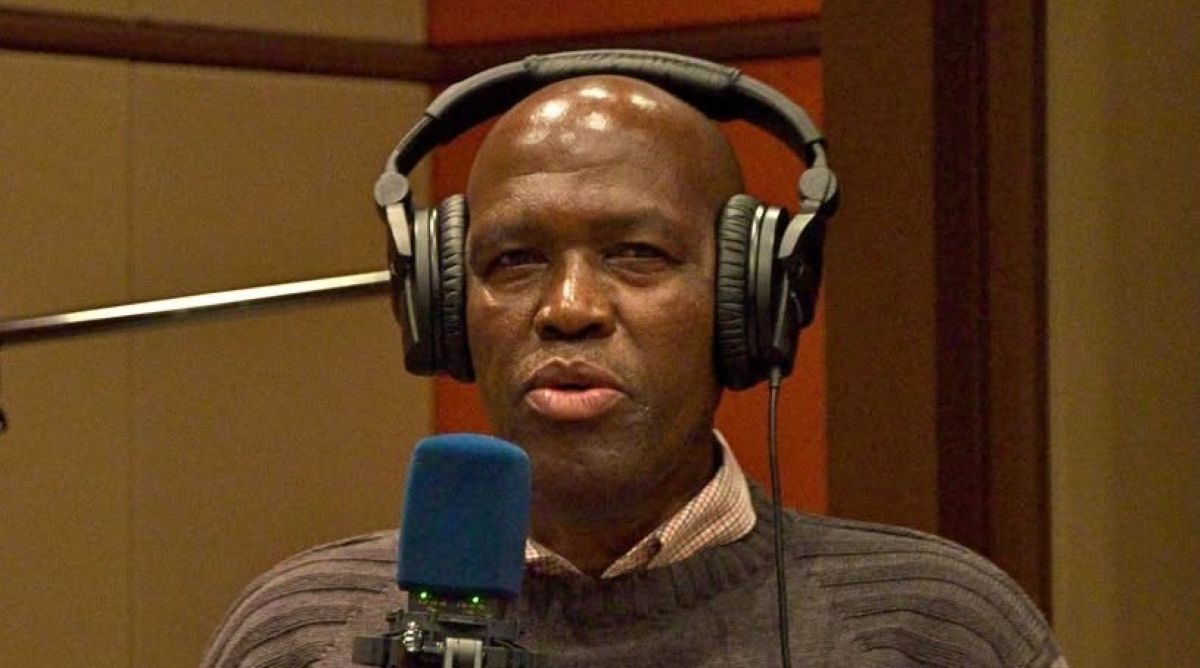
South Africa has lost a cultural icon with the sudden and tragic passing of Albert Mazibuko, a long-standing member of the world-renowned choral group Ladysmith Black Mambazo. The legendary ensemble announced on Monday, 6 April 2026, that the 77-year-old musician had passed away the previous day, Sunday, 5 April 2026.
His death marks the end of an era for one of the country’s most celebrated musical institutions.

Described by the group as a revered elder and custodian of culture, Mazibuko devoted more than five decades of his life to music. Having joined Ladysmith Black Mambazo in 1969, his voice and presence became integral to the group’s sound, helping shape a legacy that resonated both across South Africa and internationally.
Over the years, he nurtured younger members of the ensemble, ensuring that the group’s distinctive style and heritage were preserved for future generations.
Reflecting on his contribution, Gayton McKenzie, Minister of Sports and Culture, said the following;
“Albert Mazibuko was more than a performer; he was the custodian of a uniquely South African sound that travelled across the world and united people through music. Through Ladysmith Black Mambazo, he helped carry the story, resilience and soul of our nation onto the global stage.”
Founded in 1960 in KwaZulu-Natal by the late Joseph Shabalala, Ladysmith Black Mambazo has become one of South Africa’s most celebrated musical groups and global ambassadors of the traditional isicathamiya style.
The group’s international breakthrough came through a collaboration with Paul Simon on the landmark album Graceland, which introduced millions worldwide to South African choral music at a pivotal moment in the nation’s history. This partnership not only elevated the group’s profile but also brought the rich traditions of South African music to a global audience.
In its official statement, the group said:
“Affectionately known as ‘the librarian,’ he was a keeper of the group’s rich history and a source of wisdom to many. He was truly an intelligent man, whose knowledge, humility, and quiet strength left a lasting impression on all who had the privilege of working alongside him.”
The statement further highlighted that Mazibuko helped preserve and carry forward Joseph Shabalala’s vision, ensuring that the beauty and significance of isicathamiya music reached audiences around the world.
Minister McKenzie also noted that Ladysmith Black Mambazo has, over the decades, become synonymous with musical excellence, earning multiple Grammy Awards and performing on some of the world’s most prestigious stages.
“Their music has served as a bridge between cultures while proudly preserving the Zulu vocal traditions that form part of South Africa’s rich cultural heritage,” he added.
Acknowledging the end of an era, the group extended its sympathies, stating:
“We extend our heartfelt condolences to his family, loved ones, and all who were touched by his life and legacy. We kindly ask that his family be afforded privacy during this difficult time. May his soul rest in eternal peace. His legacy will continue to live on through the music.”
Mazibuko’s passing leaves a profound void in both the ensemble and the broader South African music community, but his influence and mentorship will endure for years to come.
As the fans reflect on his life, it is clear that Albert Mazibuko’s impact extended far beyond performance. He was a bridge between generations and a person who ensured that the heritage of isicathamiya continued to resonate on the global stage.
While his presence will be deeply missed, the voices he shaped, the stories he carried, and the musical standards he upheld will continue to inspire both artists and audiences, ensuring that his legacy remains a living, enduring part of South Africa’s cultural identity.
Be sure to let us know your thoughts on this and do not forget to read:













One Response
My sincere condolences to the Mazibuko family and all those involved with the music group and families and friends my thoughts and prayers are with you all