



Anyone who gardens in Northern KwaZulu-Natal already knows the rhythm of the place. The summer rains arrive, everything bursts into life, and then winter settles in with cooler mornings and the occasional frost that reminds you not everything belongs in the ground year-round.
But while most gardeners in Newcastle, Utrecht, Vryheid and Ladysmith understand the ground they are working with, there are still certain plants that consistently outperform others in this region.
Some crops seem to thrive no matter the season, while others struggle unless conditions are just right.
| Season | What to Plant |
|---|---|
| Late Summer / Early Autumn | Spinach, cabbage, broccoli, cauliflower |
| Autumn | Peas, garlic, onions, beetroot |
| Late Winter | Tomatoes, chillies, peppers (start seedlings) |
| Spring | Beans, pumpkins, butternut, cucumbers |
| Early Summer | Maize, squash, melons |
Vegetable gardens across Northern KZN tend to revolve around a handful of reliable performers. Spinach is one of them. Whether planted in open beds or tucked into smaller garden patches, it grows quickly and keeps producing if regularly harvested.
Swiss chard follows much the same pattern and handles both the heat of summer and the cooler winter months fairly well.
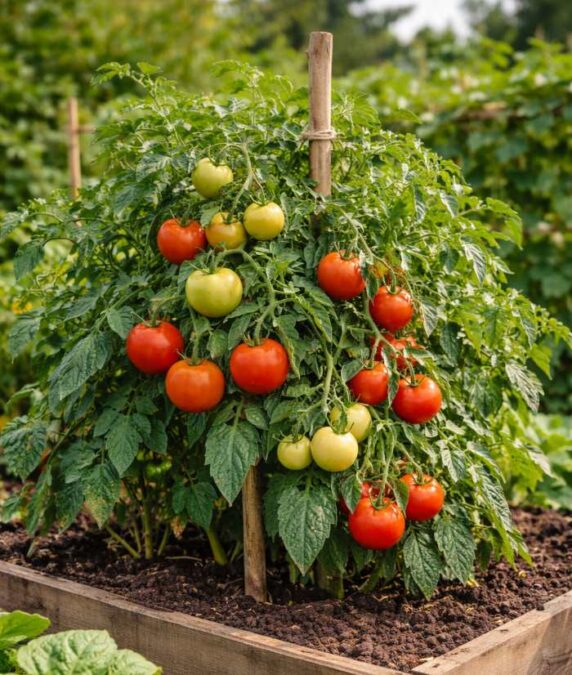
Tomatoes remain a favourite in most gardens, especially once the warmer weather arrives. Given a sunny position and reasonably prepared soil, they tend to produce heavily through the growing season.
Likewise, chillies and peppers are just as dependable, particularly in areas where they receive full sun and a bit of protection from colder winds later in the year.
Pumpkins and butternut are also common sights in local gardens.
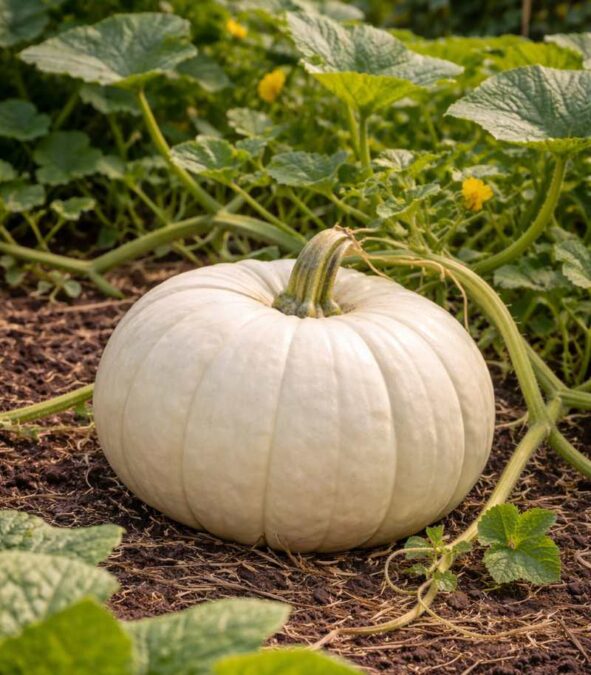
Once they start running, they seem perfectly suited to the region’s summer rainfall and warmth. Left to their own space, they spread easily and often produce generous harvests with relatively little fuss.
Beans are another crop that rarely disappoints. Many gardeners rotate them through beds not just for the harvest but also because they help keep soil healthy for the following season.
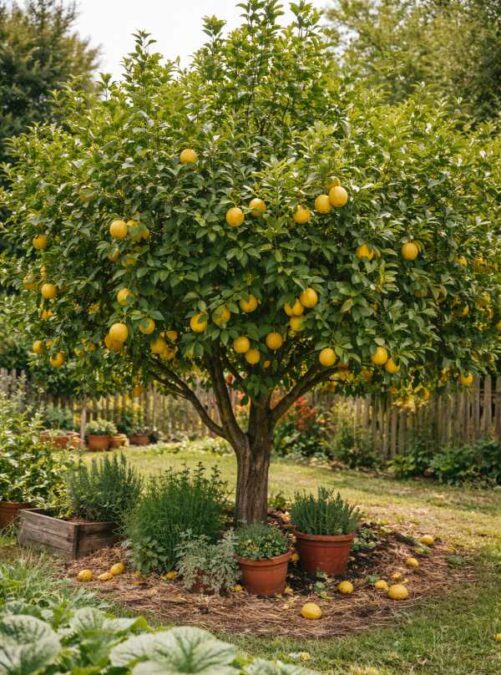
Fruit trees are equally well established in Northern KZN gardens. Citrus remains one of the most reliable options. Lemon trees in particular seem to handle the conditions well, producing steadily when planted in a sunny position with decent drainage.
Guava trees are another familiar presence in many yards, often growing vigorously and bearing fruit even when conditions are less than ideal. Avocado trees can also do well in this region, although they tend to prefer a bit of shelter from strong winds and cold snaps.
In the slightly warmer pockets closer to Ladysmith and surrounding areas, mango trees have also found their place in some gardens, providing both shade and seasonal fruit.
When it comes to ornamental gardening, roses continue to perform strongly in Northern KZN. With the amount of sunlight available during the growing season, they often flower generously when properly maintained.
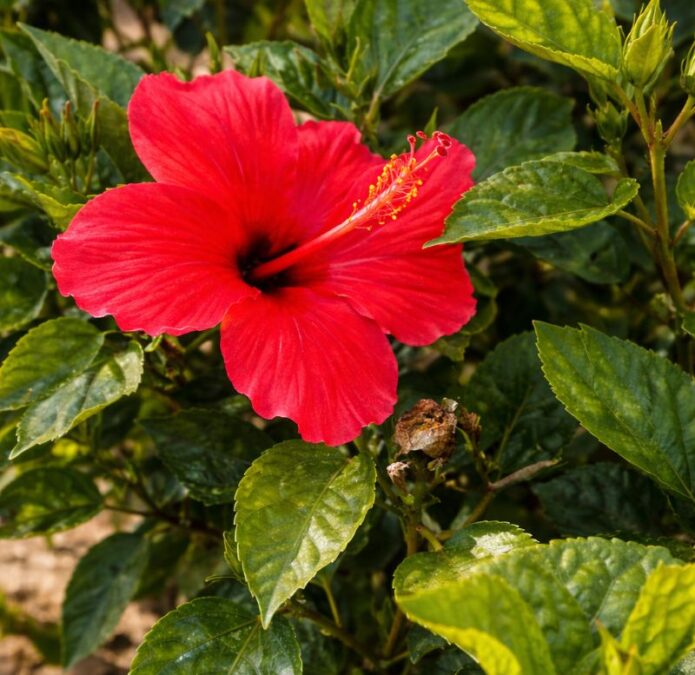
Hibiscus is another plant that seems almost made for this climate, producing vibrant blooms while attracting bees and other pollinators into the garden.
Bougainvillea has also become a common feature along fences and walls, thriving in sunny positions and requiring surprisingly little water once established.
Of course, anyone who gardens in the region knows that soil conditions can vary quite a bit. In parts of Newcastle and surrounding areas, heavier clay soil is something many gardeners learn to work with rather than fight against. Over time, compost, mulch and organic material can transform even stubborn ground into productive beds.
Here is a practical soil mix for improving clay soil in Northern KZN gardens:
| Step | What to Add | Recommended Amount | Why It Helps | Practical Tip |
|---|---|---|---|---|
| 1 | Compost (well-rotted) | 2–3 buckets per m² | Adds organic matter that loosens clay and improves drainage | Homemade compost works well; avoid fresh material |
| 2 | River sand (coarse) | 1 bucket per m² | Helps break up dense clay and improves aeration | Avoid fine building sand as it can worsen compaction |
| 3 | Gypsum | 1–2 handfuls per m² | Helps break apart clay particles and improves soil structure | Particularly useful in heavy Newcastle clay soils |
| 4 | Aged manure | 1 bucket per m² | Improves microbial activity and nutrient content | Chicken or cattle manure works well when composted |
| 5 | Mulch (dry grass / leaves) | 5–10 cm layer on top | Protects soil, feeds microorganisms and slowly improves structure | Apply after planting to retain moisture |
| 6 | Wood chips or bark | Optional top layer | Encourages earthworms and long-term soil improvement | Good around fruit trees and permanent beds |
Winter frost is another factor that gardeners keep in mind. While it usually arrives only occasionally, it can still catch sensitive plants off guard. Many gardeners simply plan around it, planting frost-sensitive crops once the colder months begin to fade.
Below is a list of fantastic, frost resistant plants:
| Plant | Type | Why It Works in Frost Conditions | Notes for Gardeners |
|---|---|---|---|
| Spinach | Vegetable | Handles cold well and continues producing through winter | Harvest outer leaves regularly |
| Swiss Chard | Vegetable | Very tolerant of cool temperatures and light frost | One of the most reliable winter greens |
| Kale | Vegetable | Extremely hardy and improves flavour after frost | Good for winter vegetable gardens |
| Cabbage | Vegetable | Thrives in cool conditions and tolerates frost | Plant in late summer or early autumn |
| Broccoli | Vegetable | Cold-tolerant crop suited to winter planting | Protect young seedlings from severe frost |
| Cauliflower | Vegetable | Performs best in cool winter conditions | Needs consistent watering |
| Peas | Vegetable | Cool-season crop that tolerates frost well | Climbing varieties benefit from trellising |
| Garlic | Vegetable | Naturally frost tolerant and easy to grow | Plant in autumn for winter growth |
| Onions | Vegetable | Hardy and suited to cooler months | Good for long-term beds |
| Beetroot | Vegetable | Tolerates frost and continues growing slowly | Can be harvested at various sizes |
Watering also becomes more important once the summer rains move on. While the rainy season does much of the work earlier in the year, dry spells later in autumn and winter often require a more hands-on approach to keep gardens productive.
Anyone who spends enough time in the garden around Newcastle, Utrecht, Vryheid or Ladysmith will eventually come across the same handful of persistent pests. The warm climate, summer rainfall and fertile soil that help plants grow so vigorously also create the perfect conditions for insects to thrive.
Most gardeners quickly learn that pest control is less about eliminating every insect and more about managing the balance so plants can continue growing without being overwhelmed.
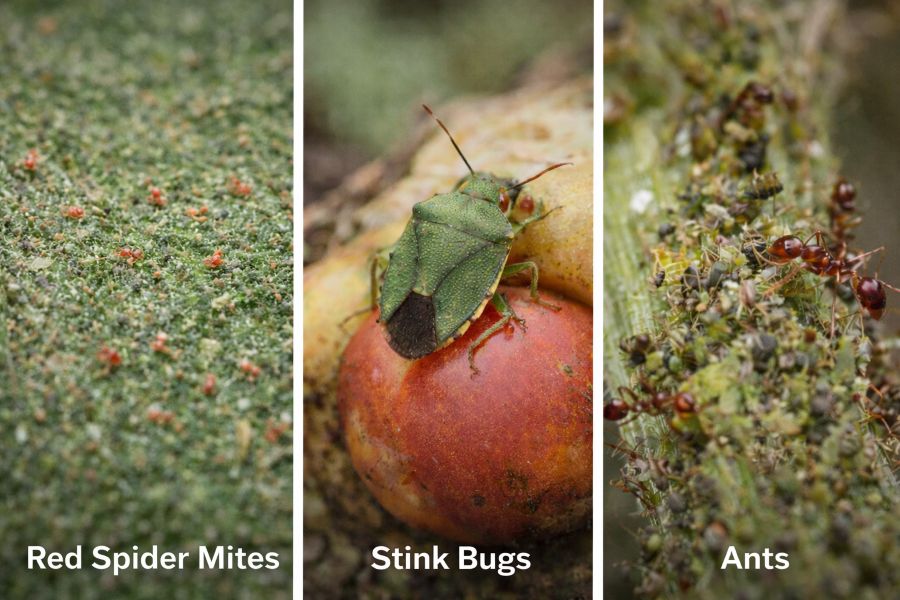
Here are five pests that regularly appear in gardens across Northern KwaZulu-Natal:
Ants
If there is one pest that gardeners in this region talk about most often, it is ants. Large colonies are common throughout Northern KZN, and many gardeners joke that the area is built on one enormous ant hill.
Ants themselves do not usually eat plants, but they create problems in other ways. One of the biggest issues is their relationship with aphids. Ants actively protect aphids because they feed on the sweet honeydew these insects produce. As a result, a plant infested with aphids often has ants running up and down the stems, protecting the colony and allowing it to grow.
Ant nests in garden beds can also disturb young plants and dry out soil around roots.
Many gardeners manage ants by targeting aphids first, removing the food source that attracts them. Diatomaceous earth, boiling water poured onto nests, or natural deterrents such as cinnamon are also commonly used methods.
| Method | How It Works |
|---|---|
| Diatomaceous earth | Natural powder that damages the ants’ outer shell and dries them out |
| Boiling water on nests | Quickly collapses underground colonies |
| Vinegar solution | Disrupts ant scent trails |
| Cinnamon or chilli powder | Natural deterrent around plants |
| Removing aphids | Breaks the food supply ants are protecting |
Stink Bugs
Stink bugs are another frequent visitor in Northern KZN gardens, particularly during the warmer months. These shield-shaped insects feed by piercing plants and sucking out sap, which can damage vegetables such as tomatoes, beans and peppers.
The damage often shows up as distorted fruit, small discoloured patches, or fruit that fails to develop properly.
Because they are relatively large and slow-moving, many gardeners simply remove them by hand. In larger infestations, organic sprays such as neem oil are sometimes used to reduce numbers.
Pumpkin Beetles
Anyone who grows pumpkins, butternut or other squash plants will eventually meet pumpkin beetles. These small, brightly coloured beetles chew holes through leaves and can quickly weaken young plants.
They are particularly active in the early stages of plant growth when tender leaves are most vulnerable.
Gardeners often control them by inspecting plants regularly and removing beetles when they appear. Some also use protective netting over young plants until they are strong enough to withstand minor damage.
Red Spider Mites
Red spider mites are tiny pests that can be difficult to see without looking closely. They thrive in warm, dry conditions and often appear on the underside of leaves.
Plants affected by spider mites may develop pale speckled leaves or a dusty appearance. Fine webbing between leaves is another common sign.
Because spider mites multiply rapidly, early detection is important. Many gardeners use a strong spray of water to wash them off plants, followed by neem oil or insecticidal soap if the problem persists.
Grasshoppers
Grasshoppers are a familiar sight in many Northern KZN gardens, especially during late summer. While a few insects rarely cause serious harm, larger numbers can strip leaves from vegetable plants surprisingly quickly.
They tend to target leafy crops such as spinach, beans and young seedlings.
Hand removal is often the most practical solution in smaller gardens. Encouraging birds and other natural predators can also help keep grasshopper populations under control.
Gardening in Northern KwaZulu-Natal means accepting that insects are part of the ecosystem. The same conditions that allow vegetables and flowers to grow so well also support a wide range of insect life.
Most experienced gardeners focus on building healthy soil, maintaining strong plants and responding quickly when pest numbers begin to rise. With regular observation and simple control methods, even persistent pests rarely prevent a garden from producing a good harvest.
| Pest | Plants Affected | What They Do | Practical Control |
|---|---|---|---|
| Aphids | Spinach, roses, beans, chillies | Small insects that cluster on new growth and suck sap from plants | Spray with diluted soapy water or neem oil |
| Caterpillars | Cabbage, broccoli, kale | Eat holes through leaves very quickly | Hand removal or biological sprays such as BT |
| Snails and slugs | Leafy vegetables, seedlings | Feed at night and destroy young plants | Beer traps, crushed eggshells, or copper barriers |
| Whiteflies | Tomatoes, peppers | Sap-sucking insects that weaken plants and spread disease | Yellow sticky traps and neem oil |
| Cutworms | Young seedlings | Cut stems at soil level overnight | Collar protection around seedlings |
Over time, many gardeners discover that the key is not eliminating every insect, but learning how to keep the balance in favour of the plants.
For many people across Northern KZN, gardening is less about following strict rules and more about understanding the local environment through experience. Over time, gardeners learn what works, what struggles, and which plants always seem to come back stronger with each season.
With the right choices and a bit of patience, gardens across the region can remain productive for most of the year, offering everything from fresh vegetables to fruit and colour throughout the changing seasons.
What are your thoughts on this? Let us know below.
Be sure to read:
All images are copyright © Newcastillian News.