



KwaZulu-Natal is a province renowned for its natural beauty and diverse ecosystem. Unfortunately, this beautiful province harbours several invasive plant species. Ones that pose threats to the environment, as well as, human and animal health.

Within this group of invasive species, certain plants and trees contain toxic compounds capable of causing harm or intoxication if mishandled or consumed.
This article sheds light on some prominent toxic and intoxicating plants and trees in KwaZulu-Natal, highlighting the importance of effective management strategies.
- Lantana camara (Lantana)
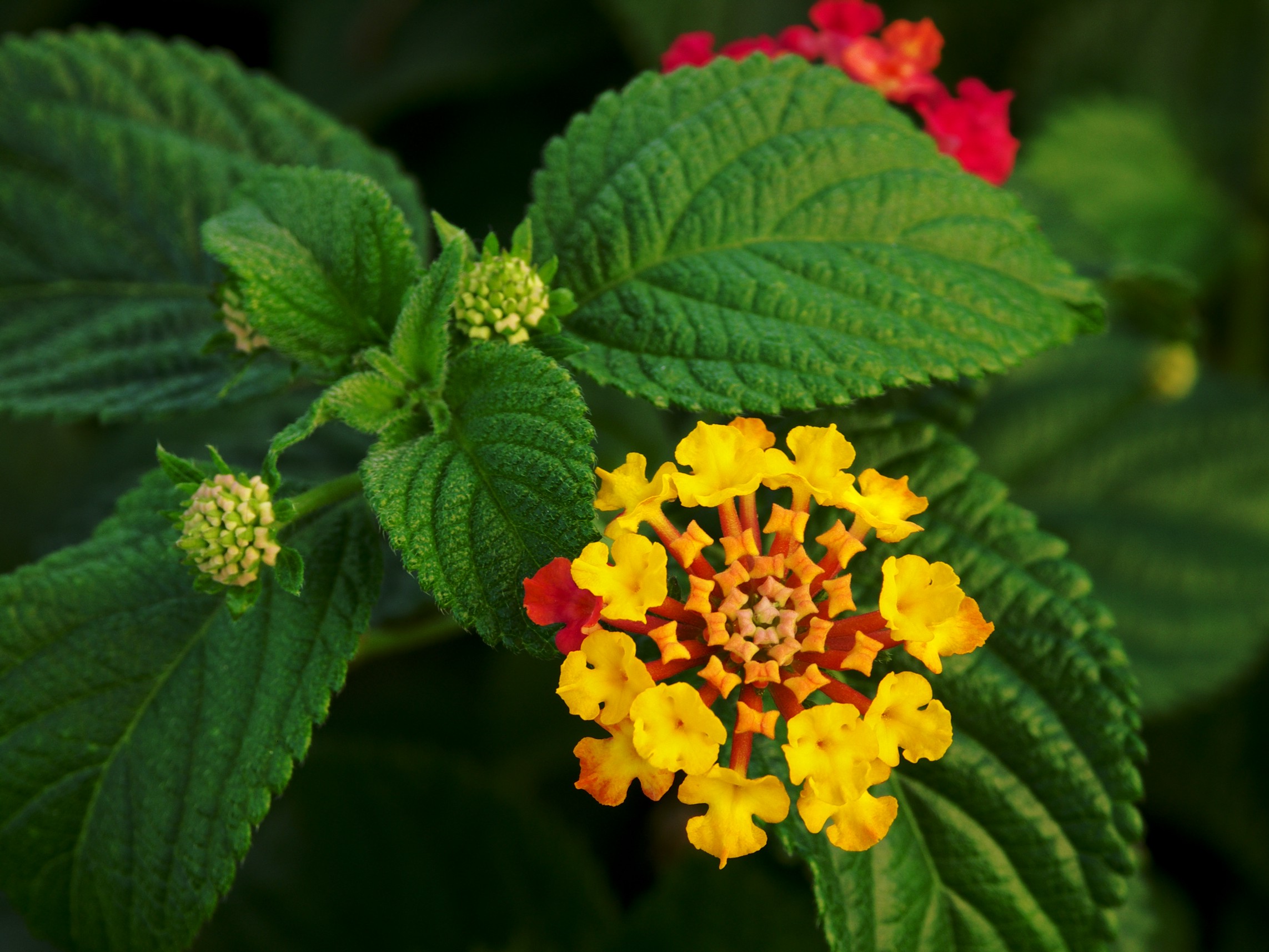
Lantana, a highly invasive shrub originating from Central and South America, has extensively spread across KwaZulu-Natal and other parts of South Africa. Its visually appealing clusters of colourful flowers hide a potential danger.
Lantana leaves and unripe berries contain toxic compounds that can induce digestive issues, liver damage, and skin irritation in both humans and animals. Ingesting Lantana foliage can lead to symptoms such as nausea, vomiting, and diarrhoea.
- Datura stramonium (Jimsonweed)
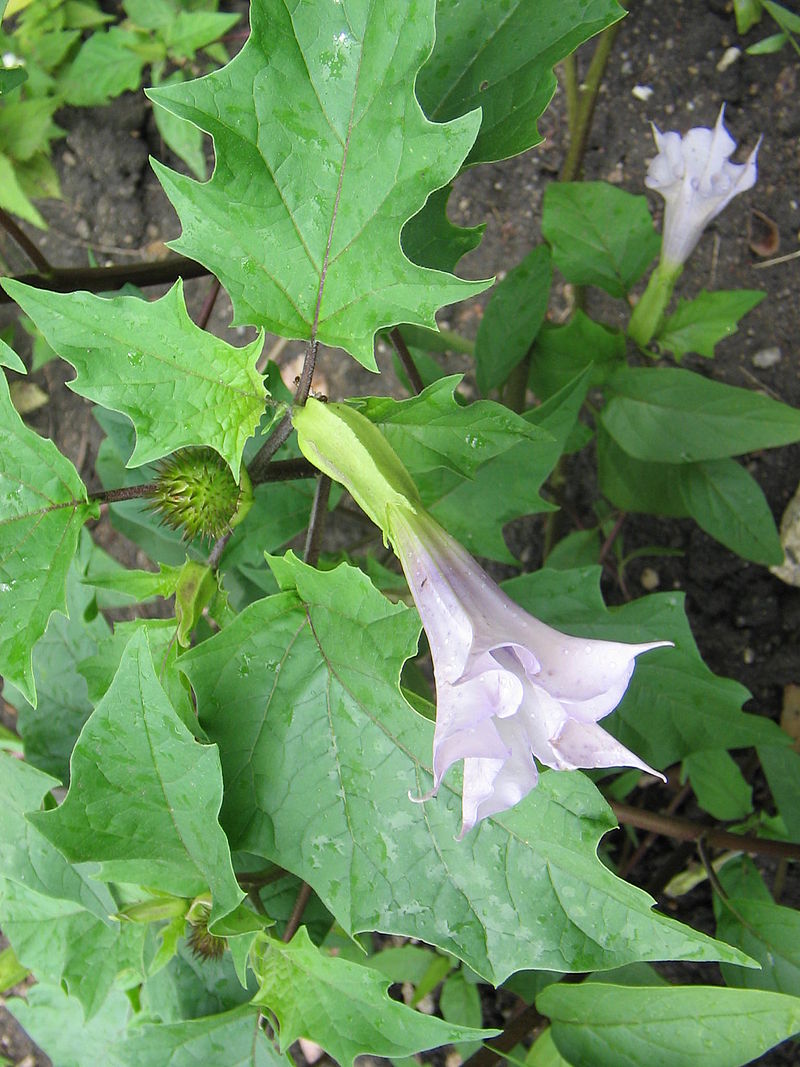
Jimsonweed, also known as “malpitte” or “mad seeds,” is a noxious annual herbaceous plant found in various regions of KwaZulu-Natal.
With its distinctive trumpet-shaped flowers and spiny seed capsules, Jimsonweed stands out in the landscape. However, all parts of the plant, including leaves, seeds, and flowers, contain potent alkaloids with hallucinogenic properties.
Ingesting this plant can cause severe toxicity, resulting in delirium, blurred vision, rapid heartbeat, and even fatal outcomes. Extreme caution should be exercised when handling Jimsonweed.
- Melia azedarach (Syringa tree)
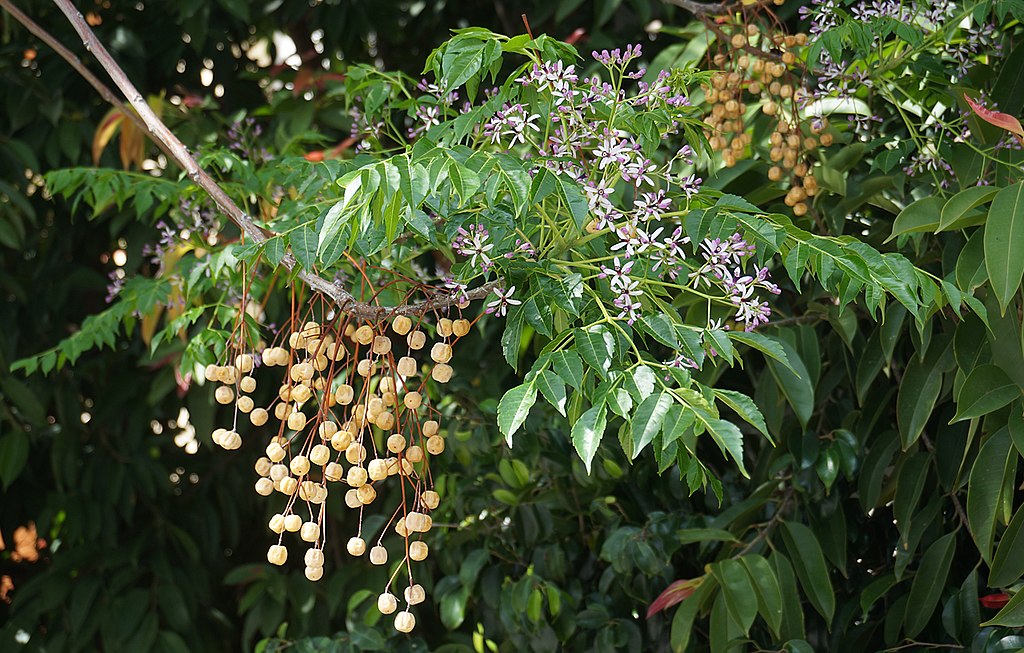
The Syringa tree, also known as Persian lilac, is a deciduous tree native to Asia that has become invasive in certain parts of KwaZulu-Natal. Adorned with clusters of small, lilac coloured flowers and round yellow fruits resembling berries, it presents a deceptively inviting appearance. However, when ingested, these fruits are highly toxic, containing various toxins such as meliatoxins and saponins.
Consuming Syringa tree berries can lead to symptoms like abdominal pain, vomiting, and diarrhoea. In severe cases, it can cause nervous system impairment and potential fatality.
- Solanum mauritianum (Bugweed)

Bugweed, commonly referred to as “Tree Tobacco,” is a fast-growing, invasive shrub that poses a significant problem in KwaZulu-Natal. While its purple flowers and lush foliage may seem harmless, all parts of the plant, especially the leaves and green berries, contain toxic compounds known as glycoalkaloids.
Ingestion or direct contact with the plant can result in symptoms such as nausea, vomiting, abdominal pain, and skin irritation. Prolonged exposure to or ingesting Bugweed can cause severe toxicity, affecting the central nervous system and other vital organs.
- Ricinus communis (Castor Oil Plant)
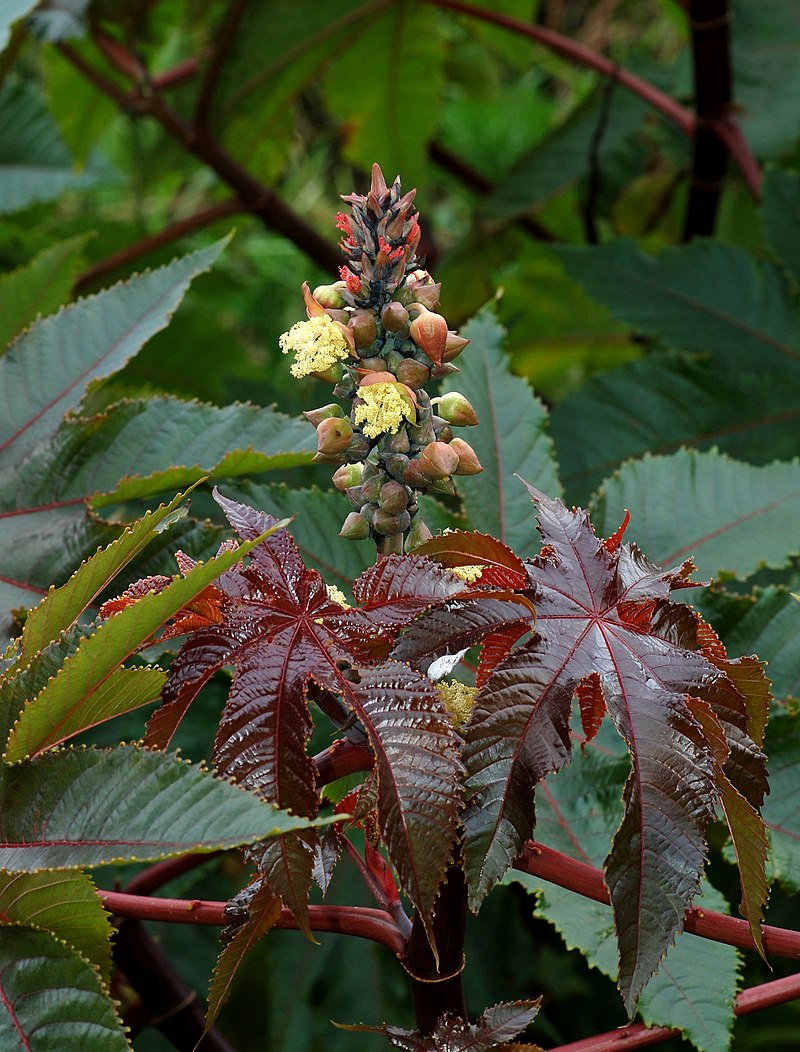
The Castor Oil Plant, a highly invasive perennial shrub native to Africa, has become a concern in KwaZulu-Natal. Its large, glossy leaves and spiky fruit capsules contain ricin, a deadly toxin. Ingesting castor beans or their derivatives can cause severe poisoning, leading to abdominal pain, diarrhoea, dehydration, and potentially fatal outcomes.
- Chromolaena odorata (Siam Weed)
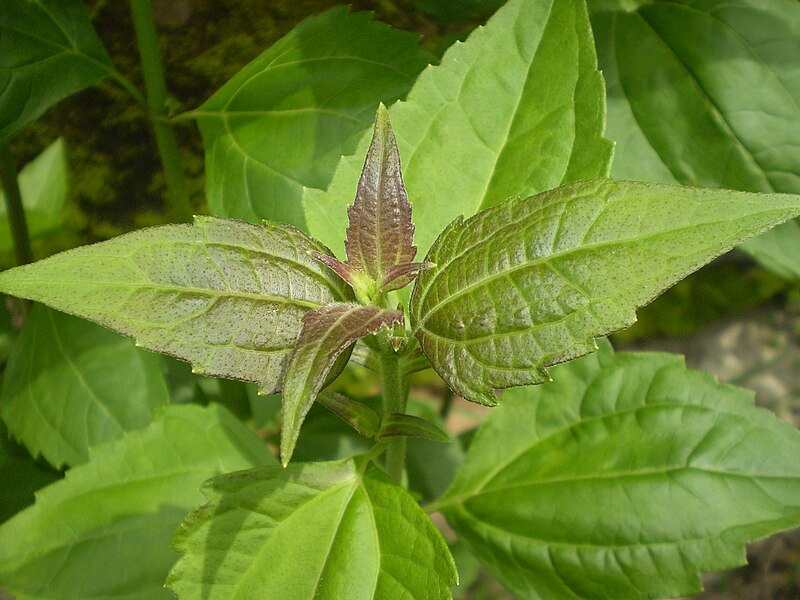
Siam Weed, an aggressive invasive shrub from Central and South America, has invaded parts of KwaZulu-Natal. Its white flowers and serrated leaves may seem harmless, but the plant contains toxic compounds. Contact with Siam Weed can cause skin irritation, while ingestion may lead to symptoms such as vomiting, stomach pain, and liver damage.
Management and Awareness
Effectively managing the presence of these toxic and intoxicating plants and trees in KwaZulu-Natal is crucial for preserving the environment and ensuring public safety. Early detection, monitoring, and implementation of appropriate control measures, such as mechanical removal, targeted herbicide application, and education programs, are essential to mitigate their negative impacts.
While KwaZulu-Natal boasts rich biodiversity, the invasion of toxic and intoxicating plants and trees is a concerning issue. Lantana, Jimsonweed, Syringa tree, Bugweed, Castor Oil Plant, and Siam Weed are among the species that demand attention.
By actively managing these invasive species and raising awareness about their potential hazards, we can safeguard the environment and protect the well-being of local communities.
We invite you to share your thoughts and knowledge on the subject, in the comment section below.