


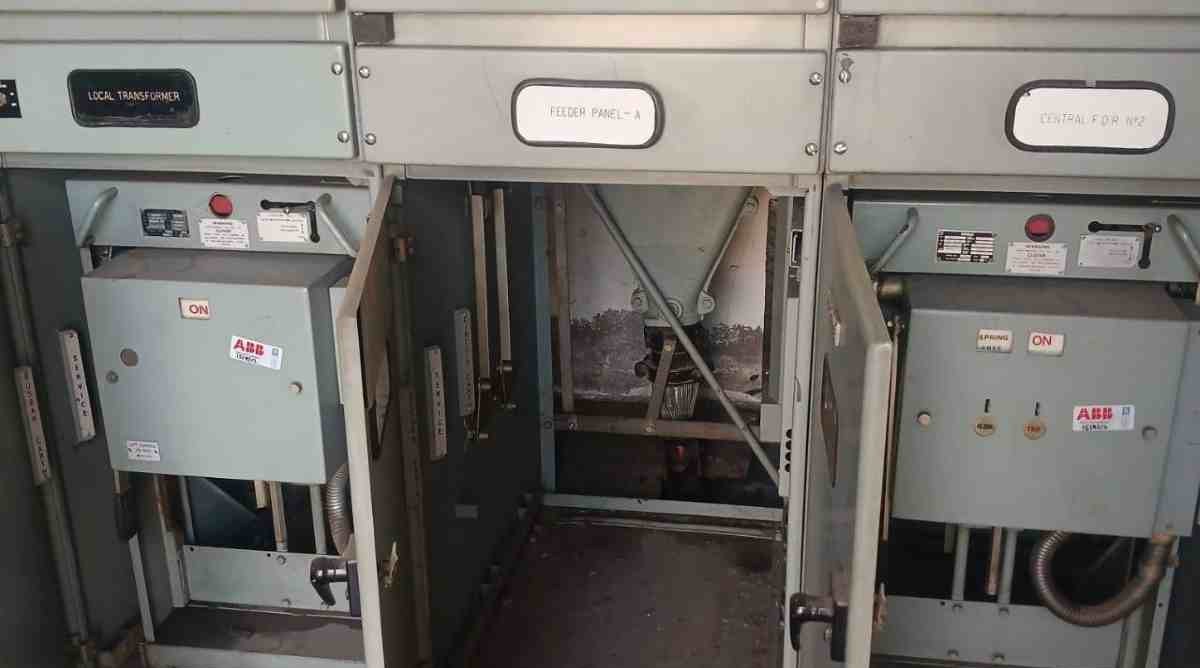
Municipal infrastructure theft and vandalism in Newcastle, KwaZulu-Natal, is escalating in both frequency and boldness, with criminals increasingly operating in broad daylight. The trend is placing sustained pressure on the Newcastle Local Municipality and leaving residents to contend with repeated disruptions to essential services such as water and electricity.
In recent months, criminals have systematically targeted substations, streetlights, and water pump stations across the town.

According to Councillor Bertie Meiring, chairperson of Town Planning and Development, the scale of the problem became particularly evident from September 2025, when infrastructure-related crimes began occurring with greater regularity and impact.
One of the most disruptive incidents involved the theft of electrical supply cables at the Milkyway Pump Station. The damage resulted in prolonged water supply interruptions across Newcastle’s western areas, including Signal Hill, where households were left without water for nearly a week while repairs were undertaken.
“Theft from municipal infrastructure takes place on a weekly basis, and it is costing the Newcastle Local Municipality a fortune,” Meiring said. “Substations and streetlights are common targets. When substations are affected, it not only costs the municipality to repair the damage but directly impacts businesses that cannot operate without electricity. In residential areas, residents are left without power.”
Private security companies operating in Newcastle have confirmed the persistent nature of the problem.
Jan van Rensburg of Magenta Security said his teams have repeatedly intercepted suspects attempting to steal municipal assets, particularly in residential suburbs.
He cited two recent incidents in Hutten Heights as examples. On 12 January 2026, Magenta Security reaction officers responded to a report of tampering at a municipal power box outside a private residence. Upon arrival, they found suspects actively interfering with the infrastructure. A short foot chase followed, after which two men were apprehended. Cutting tools were recovered, and the suspects were handed over to the Newcastle South African Police Service.
Furthermore, the situation in Newcastle reflects a much broader national problem affecting municipalities across South Africa, where organised and opportunistic crime continues to target essential infrastructure, undermining service delivery, placing severe strain on municipal finances.
This is confirmed in the Consolidated Annual Local Government Performance Report for the 2023/2024 financial year, gazetted on 29 October 2025 by the Department of Cooperative Governance and Traditional Affairs.
The report identifies theft, vandalism, illegal connections, tampering, and ageing infrastructure as key contributors to declining municipal performance nationwide.
According to the report, non-technical losses in water and electricity systems — driven largely by theft, unauthorised consumption, vandalism, faulty equipment, and illegal connections — remain alarmingly high. Nationally, average non-revenue water losses stand at 41.7%, with 53% of municipalities exceeding the 30% benchmark. Electricity losses are similarly concerning, with 69% of municipalities exceeding the accepted 10% loss threshold.
These losses directly erode municipal revenue, weaken already strained budgets, and contribute to frequent service interruptions. The report links these outcomes to long-standing underinvestment, weak institutional capacity, inadequate maintenance regimes, and vacancy rates of approximately 30% in critical technical positions.
In KwaZulu-Natal specifically, electricity losses increased by R704.7 million between the 2022/2023 and 2023/2024 financial years.
The report attributes this increase partly to electricity theft through illegal connections, as well as distribution losses linked to ageing and poorly maintained infrastructure.
The report also notes that infrastructure vandalism and tampering have led to material misstatements in revenue reporting for 26% of municipalities nationally, compounding financial instability and governance challenges. Many municipalities are now burdened with growing arrears to Eskom and water boards, poor liquidity, and increasing reliance on government grants.
The same crime patterns affecting municipalities are mirrored within Eskom’s own electricity network.
In an official statement released in early 2025, the utility described theft and vandalism of its infrastructure as a “major threat” to the stability of electricity supply and public safety, despite a modest decline in reported incidents compared to the previous year.
Between 1 April 2024 and the end of February 2025, Eskom estimated losses of approximately R221 million due to infrastructure theft and vandalism, down from R271 million during the corresponding period the year before. However, the utility highlighted a rise in specific, high-risk criminal activities.
These include the removal of steel components from high-voltage pylons, illegal sand mining around pylon foundations, siphoning of transformer oil — which can lead to overheating and explosions — and the deliberate placement of metal chains or wires onto power lines, causing flashovers that have resulted in serious injuries and fatalities.
Eskom warned that such acts not only disrupt electricity supply but also pose severe risks to the public, while forcing the utility to divert resources from planned maintenance and upgrades to emergency repairs.
In many cases, the restoration of complex infrastructure such as transformers can take weeks, leaving businesses reliant on generators and households without stable power.
Taken together, these official accounts make it clear that Newcastle’s experience is not an isolated incident but a local manifestation of a national problem. The continued targeting of substations, cables, and pump stations drains municipal resources, disrupts daily life, while adding to the erosion of public confidence in service delivery.

Without intervention — including improved site security, effective policing, community reporting, and accelerated infrastructure hardening — towns like Newcastle will remain vulnerable to infrastructure-related crime that carries significant economic and social consequences for residents and businesses alike.
But, what are your thoughts on this? Be sure to let us know below.
Do not forget to read, Utrecht Residents Still Without Water and Electricity Weeks After Storm Damage, if you missed it.










One Response
Dear Bertie, it is clear that your security is not enough. For these type of repair costs and inconvenience, you can hire a huge team of gaurds and alarm/camera systems. The thieves will not stop doing this because they feel guilty or bad about the situation.
The munisipality now knows the reasons for the problem and you have to stop it. Nobody else can do it for you.