



KwaZulu-Natal is expanding its focus beyond Durban, with Richards Bay, Newcastle, uMhlathuze, Ladysmith, Kokstad, Port Shepstone, Pietermaritzburg, and uMkhanyakude identified as emerging growth poles under the KwaZulu-Natal Secondary Cities Network.
This move is intended to address urban concentration in Durban, while simultaneously supporting economic activity in other parts of the province.
The initiative, announced at the 2025 KwaZulu-Natal Investment Conference on 22 October, aims to decentralise development, promote regional growth, and unlock the untapped economic potential of smaller urban centres across the province.

At the conference, Premier Ntuli addressed government representatives, investors, and business leaders. Speaking on the initiative, he stated, “As Premier, I have established the KwaZulu-Natal Secondary Cities Network, a bold initiative designed to decentralise development and ensure that prosperity is not confined to one centre, but shared across our province.”
According to the Premier, the network is intended to position towns such as Richards Bay, Newcastle, uMhlathuze, Ladysmith, Kokstad, Port Shepstone, Pietermaritzburg, and uMkhanyakude as hubs alongside eThekwini. “It seeks to ease the pressure of urban overconcentration in Durban, while unlocking the untapped potential of regional economies,” he explained.
Elaborating further, Ntuli said that strengthening secondary cities could promote regional competitiveness, while creating a more balanced and inclusive pattern of development. He outlined the comparative advantages of these towns:
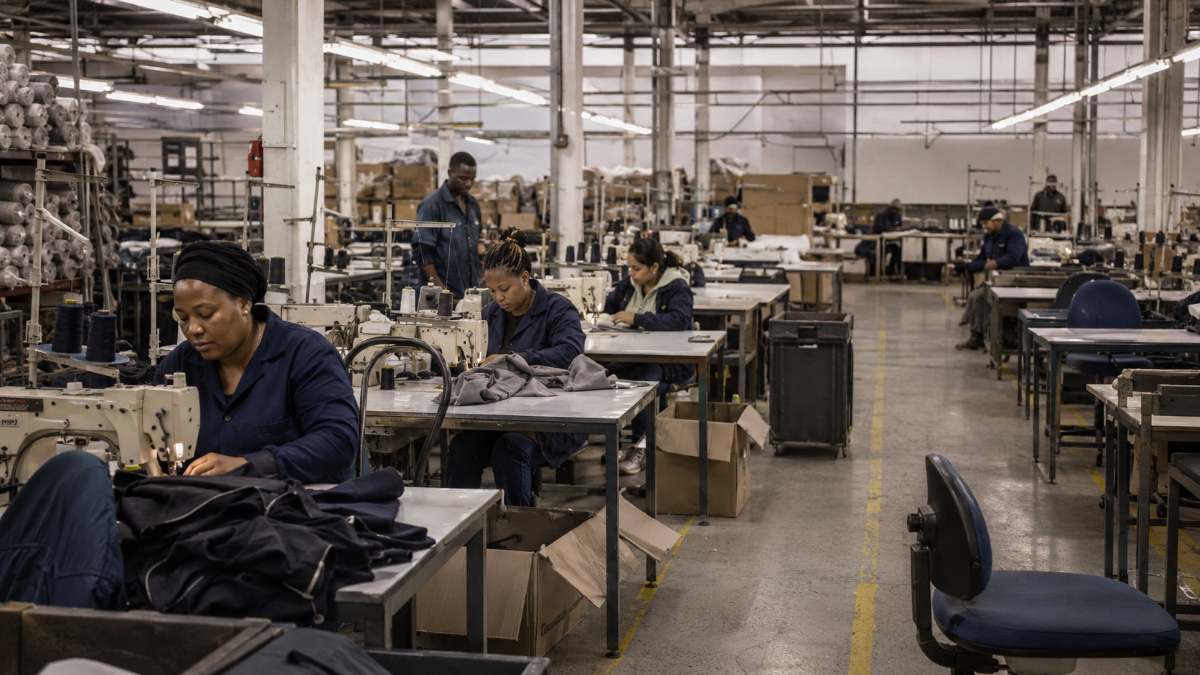
- Newcastle is emerging as a centre of manufacturing;
- Richards Bay functions as a logistics and industrial gateway;
- The South Coast and Midlands are prominent for tourism and agriculture;
- uMkhanyakude has potential for agro-processing, eco-tourism, and renewable energy.
It was further highlighted that the network is part of a provincial strategy aimed at redistributing economic activity beyond Durban. It is also said to represent an effort to provide smaller urban centres with greater economic visibility and to support planning for development, investment, and employment across KwaZulu-Natal.
“Secondary cities are becoming magnets for infrastructure investment — in roads, housing, bulk water, digital connectivity, and logistics networks. These investments strengthen inter-district connectivity through key corridors such as the N2 and N3, linking our inland and coastal economies into one seamless, competitive system,” stated the Premier.
He further noted that when infrastructure reaches these cities, it stimulates construction, real estate, and local service sectors, creating jobs and supporting Small, Micro and Medium Enterprises (SMMEs) through infrastructure-linked opportunities.
“In doing so, we are not just expanding our economic map — we are re-drawing it to ensure that every part of KwaZulu-Natal contributes to, and benefits from, growth. This is the essence of our economic vision: a connected, competitive, and inclusive KwaZulu-Natal, where every city and district becomes a catalyst for investment, innovation, and shared prosperity,” elaborated the Premier further.
It was further noted that KwaZulu-Natal is becoming an emerging property investment hotspot, reflecting both economic confidence and lifestyle appeal.
“In 2023, the province’s residential property market was valued at approximately R435 billion, representing about 6.4% of the national residential market. The North Coast corridor — including Ballito, Salt Rock, and the surrounding estates such as Palm Lakes, Simbithi, Zululami, and Elaleni — has become a magnet for investors seeking secure, sustainable, and high-quality living environments. This growing demand for sectional title developments reflects confidence in KwaZulu-Natal’s long-term prospects and the strength of its urban and coastal nodes,” explained Premier Ntuli.
These developments are believed to not only offer lifestyle convenience but also underpin economic activity, create jobs in construction and services, and strengthen local economies.
This comes at a crucial moment, particularly as many are seeking job security with the future of ArcelorMittal South Africa’s Newcastle Works hanging in the balance.
The same momentum is visible in Richards Bay, the Midlands, Pietermaritzburg, and the Hibiscus Coast, each emerging as a growth node in its own right.
“The continued growth of our property market will depend on infrastructure reliability, service delivery excellence, and responsible urban development — all priorities firmly embedded in our provincial planning framework,” emphasised the Premier.
With high hopes for development in KwaZulu-Natal, especially in the secondary cities, the Premier emphasised that KwaZulu-Natal already contributes over 21% of South Africa’s total manufacturing output, and the Provincial Government is determined to expand this footprint.
According to Premier Ntuli, KwaZulu-Natal’s competitive edge lies in its infrastructure and geographic advantage, with the province’s strategic industrial zones being the Dube TradePort, the Richards Bay Industrial Development Zone, and the Newcastle Industrial Park — all of which are said to be transforming the provincial economy.
“These zones offer investors world-class infrastructure, seamless logistics, and direct access to African and global markets,” said Premier Ntuli.
KwaZulu-Natal’s emphasis on developing secondary cities underscores a strategic shift towards balanced regional growth. By strengthening urban centres such as Newcastle, Richards Bay, and uMkhanyakude, the province aims to enhance competitiveness, attract investment, and expand economic opportunities beyond Durban.

The long-term success of the KwaZulu-Natal Secondary Cities Network will depend on effective planning, reliable infrastructure, sustainable development practices and financial oversight. If implemented successfully, these secondary cities are poised to become central drivers of regional economic growth, reinforcing KwaZulu-Natal’s position as a strategic hub for investment and innovation across South Africa.
Do you believe this will yield results for the province? Let us know below.
Be sure to read, BRICS plans gold-backed system to challenge US dollar dominance, if you missed it.
FAQs: Understanding the KwaZulu-Natal Secondary Cities Network
The KwaZulu-Natal Secondary Cities Network is a provincial initiative aimed at decentralising economic development from Durban by identifying towns such as Richards Bay, Newcastle, uMhlathuze, Ladysmith, Kokstad, Port Shepstone, Pietermaritzburg, and uMkhanyakude as emerging regional growth poles. The network seeks to promote investment, job creation, and sustainable economic growth across the province.
Secondary cities in KwaZulu-Natal play a crucial role in reducing urban overconcentration in Durban while unlocking the economic potential of regional towns. By strengthening infrastructure, attracting investment, and supporting local industries, these urban centres contribute to a balanced, inclusive, and competitive provincial economy.
Newcastle: Emerging as a manufacturing hub
Richards Bay: Functions as a logistics and industrial gateway
South Coast and Midlands: Key for tourism and agriculture
uMkhanyakude: Holds potential for agro-processing, eco-tourism, and renewable energy
The network is expected to stimulate construction, real estate, and service sectors, creating jobs and supporting Small, Micro and Medium Enterprises (SMMEs). Investments in roads, housing, digital connectivity, and logistics corridors will enhance economic opportunities for communities across KwaZulu-Natal.
Strategic industrial zones such as Dube TradePort, the Richards Bay Industrial Development Zone, and the Newcastle Industrial Park are central to the initiative. They provide world-class infrastructure, seamless logistics, and direct access to domestic and international markets, supporting manufacturing growth, export-oriented industries, and investment in green technologies.










One Response
Newcastle Municipality one of the worst kept municipality’s in South Africa. They got to sort out these Municipalities as Service deliveries are corrupt and poor functioning due to incapable contractors getting contracts aswell as incapable Municipality management been appointed to manage Newcastle Municipality.