



In South Africa, language is more than a means of communication — it’s a living expression of identity, heritage, and shared history.
Yet, one of the most searched phrases across the internet remains “English to African,” a term that doesn’t quite exist in linguistic reality. Africa, after all, is not a language but a vast continent of over two thousand tongues, each carrying the rhythm and soul of its people.
So, what exactly are people looking for when they search for “English to African”?

For many, it’s a quest for understanding — to translate a message, a song lyric, or even a cultural phrase into something that resonates more deeply.
But beneath this search lies a fascinating reflection of how English itself has transformed across South Africa, evolving into something uniquely local: a hybrid language that’s no longer purely English, but distinctly African in character.
The rise of South African English
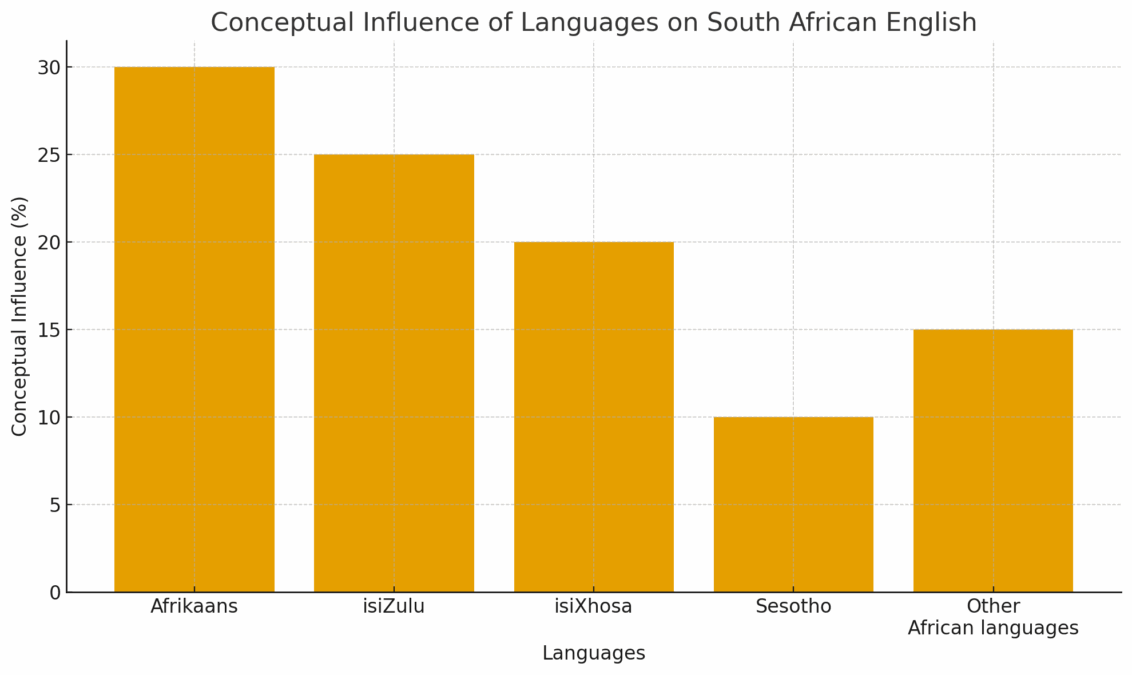
South African English has absorbed words, tones, and syntax from the country’s 12 official languages — including isiZulu, isiXhosa, Sesotho, and Afrikaans — to form a rich linguistic blend. Words like eish, howzit, shame, and now now may confuse outsiders, but to locals, they paint a vivid picture of everyday life.
This fusion isn’t accidental. It’s the product of centuries of cultural exchange and resilience — an unspoken testament to how South Africans have taken a language and made it their own.
Today, you’ll hear code-switching everywhere — from WhatsApp voice notes to parliamentary speeches — reflecting both pride and practicality in multilingualism.
Why the search for “English to African” keeps growing
The high search volume behind “English to African” speaks to more than translation needs. It reflects a growing global curiosity about African languages, spurred by the continent’s expanding digital presence and creative industries. South Africa, as a regional leader in media, music, and education, has become a linguistic bridge between English-speaking audiences and the wider African identity.
At home, there’s also a renewed sense of pride in indigenous languages.
Various entities are driving isiZulu, isiXhosa, Afrikaans and Sesotho as mediums of learning. On social media, young South Africans are blending languages in posts, memes, and music — creating a new English hybrid dialect that feels authentically African, not imported.
The role of technology and AI in preserving African languages
Technology is now taking centre stage in this linguistic shift. Platforms like Google Translate, Bing Translator, and African-led initiatives such as Lelapa AI’s InkubaLM are working to digitise and translate African languages with unprecedented accuracy. These tools don’t just convert words — they preserve meaning, tone, and context, which are vital to African communication styles.
For example, isiZulu and isiXhosa use tonal systems where a change in pitch can alter meaning entirely. Capturing that digitally is no small feat, yet AI is making steady progress. By bridging linguistic gaps, these innovations are not just serving translators but also empowering creators, journalists, and businesses to communicate authentically across Africa’s borders.
English, but proudly African
In many ways, South Africans have flipped the script on linguistic dominance. Instead of English overshadowing native expression, it has become a canvas — coloured with African grammar, emotion, and rhythm. Listen to a radio host in Durban, a taxi driver in Soweto, or a teenager in Brakpan, and you’ll hear the same thing: a confident blend of English and local vernacular that needs no translation (at least not for South Africans).
This evolution represents something profound — a cultural reimagining of communication. South Africans are no longer merely adapting to English; they are reshaping it to express their world, their humour, and their heritage. The phrase “English to African” might not denote an actual translation, but it captures a living transformation — a linguistic fusion that bridges generations and communities.
It’s a reminder that identity isn’t static. Through our words, accents, and everyday expressions, we’ve moulded English into something unmistakably ours — layered, rhythmic, and full of heart. This hybrid form of communication reflects who we are as a nation: diverse, adaptable, and united through difference. In our “mixed-up” language lies a quiet kind of unity — one not enforced by policy or power, but born naturally from shared experience and everyday connection.
It is amazing what we can acheive when we do not allow politics and politicians to think for us.
Nevertheless, what are your thoughts on all of this? Let us know below and share your favourite South African English word or phrase.
Be sure to also read, SA’s blue-collar decline: Why clinging to old industries could cost the nation its future, if you missed it.










One Response
A,very interesting article I have not taken much notice because I am south African but when I visit my family in Australia they don’t understand some words I say and I have to explain them