


It was the kind of headline designed to make your thumb stop scrolling: “Hollywood’s miracle drug just destroyed 1,800 lives overnight.” Add a claim of a “horrifying new disease,” an incurable condition, and a $2 billion lawsuit — and you have the perfect storm for viral misinformation.
Except, none of it was true.
No credible news outlet — not any court record — has reported that 1,800 people in Hollywood were suddenly afflicted by a new, incurable condition from taking Ozempic.
The truth? The number is suspiciously close to the total nationwide lawsuits currently consolidated in a U.S. federal multidistrict litigation (MDL) against the makers of GLP-1 drugs. Those lawsuits have been filed gradually over months, involve plaintiffs from across the country, and have nothing to do with a Hollywood mass event.
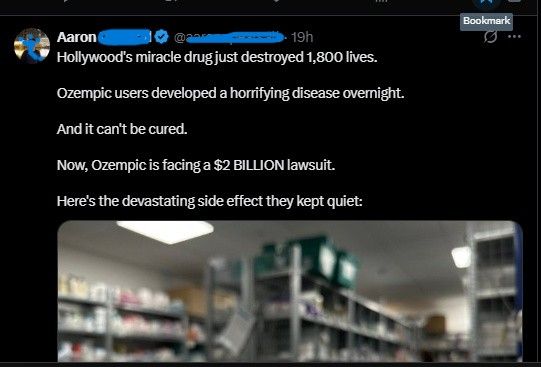
The so-called “new disease” is not new at all — it refers to NAION, a rare form of optic nerve damage that has been observed and studied for years, recently added as a very rare side effect to European medical guidelines.
It’s neither mysterious nor a sudden epidemic. The $2 billion lawsuit? No such single case exists.
This Ozempic Hollywood misinformation wasn’t an isolated post.
Identical wording appeared across multiple accounts within hours, a sign of the copy-paste script technique — where a pre-crafted, emotionally charged message is spread by multiple users to create the illusion of widespread, independent reporting. It’s a common tactic in social media hoaxes and fake news operations. Thus, underlining the importance of refering to credible news agencies over social posts for information.
Neverthless, once a claim like this gains momentum, it’s reposted, quoted, and screenshot without verification. The more times it’s seen, the more believable it feels — a psychological quirk called the illusory truth effect. And because platforms reward engagement over accuracy, falsehoods often outrun corrections by days or weeks.
Now let us ask ourselves, what is the hidden cost of unverified sharing?
Many who click “retweet” or “share” believe they’re simply “raising awareness” or “just asking questions.” However, in reality, they’re amplifying unverified content that will influence someone’s beliefs, fears, and even medical decisions. When the subject is a prescription drug, that can mean patients stopping treatment unnecessarily or seeking dangerous alternatives.
This is why online fact-checking matters . The damage from spreading viral misinformation isn’t just to individuals — it erodes trust in public health, legitimate journalism, and factual discourse. Over time, repeated exposure to sensational falsehoods makes people more cynical and less able to distinguish fact from fiction.
The Antidote: Verify Before You Amplify (Sounds cheesy, but its a silly way to remember something so vitally important)
Before you share that explosive claim, ask:
- Has it been reported by credible, independent outlets?
- Is there a clear source or verifiable evidence?
- Could the claim be a misrepresentation of real data? (A massive problem with social media posts—people mix and match information as they don’t understand the context or do so to produce potentially viral posts).
It takes less than a minute to check, but that pause is the difference between being an informed citizen and becoming part of the misinformation machine. In the case of Ozempic, the truth was easy to find in court filings, regulatory updates, and reputable news reports.
The internet has made us all publishers. That comes with power, and with responsibility. In an age where viral misinformation can spread to millions in minutes, the most radical act you can take is to verify before you amplify.
Be sure to read, Newcastle’s Pothole Repairs Finally Gaining Momentum—Will This Time Be Different?, if you missed it.