


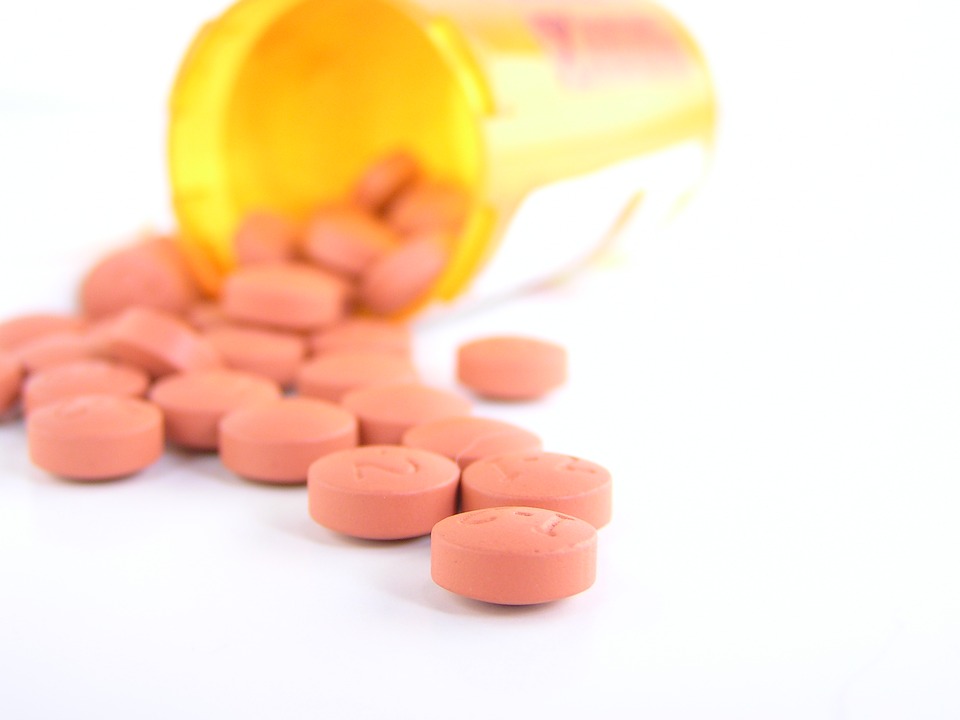
Aspen Pharmacare, Africa’s leading pharmaceutical company, has encountered significant issues with the U.S. Food and Drug Administration (FDA) due to violations of Current Good Manufacturing Practice (CGMP) regulations at its sterile manufacturing facility in Gqeberha, South Africa.
The problems emerged after an FDA inspection from 9 September to 17 September 2024 at Aspen SA Sterile Operations (Pty) Ltd, prompting the FDA to issue a warning letter to the South African company this week. In the warning letter, the FDA noted that Aspen — which markets its own drugs and manufactures medicines for other firms — failed to establish scientifically sound laboratory controls to ensure products meet standards for strength and quality.
During the inspection and in the warning letter, the FDA identified critical issues related to sterility and quality control. Key findings included:
· Sterility Issues: The FDA found that Aspen did not take sufficient steps to prevent microbial contamination in producing sterile drugs, such as eye drops and other medicines requiring aseptic conditions. Inspectors observed a large exterior door left open multiple times for ventilation, risking exposure of sterile containers to external contaminants.
· Inadequate Quality Controls: The company lacked proper laboratory controls to verify that products met required standards for strength and quality. This involved incomplete laboratory records missing full test data and inadequate monitoring of environmental conditions in aseptic processing areas.
· Equipment and System Deficiencies: The FDA identified poorly designed equipment for manufacturing and packaging, alongside insufficient controls over computer systems, allowing unauthorized changes to production records.
In the manufacturing and packaging process, inspectors noted the following practices:
· Operators blocked airflow by placing gloved hands over open sterilized bottles without removing them from the aseptic filling line.
· Operators used gloved hands rather than sterile tools to remove jammed bottles.
· Operator movements in critical areas were not consistently slow and deliberate.
· Operators wore goggles with open holes, exposing skin during line setup and aseptic processing.
These issues were not isolated problems, as the company told the FDA that it identified contamination in two media fill batches produced on a pair of aseptic filling lines at the facility back in 2022.
The letter to the pharmaceutical company said, “You identified the root cause as poor aseptic behaviour. These contamination events along with the poor aseptic practices observed during our inspection indicate your aseptic manufacturing operations may lack adequate control.”
FDA inspectors also noted that a large door leading to the outside was left open on “numerous occasions” for ventilation purposes. This practice could expose empty sterile containers to exterior conditions, the FDA said.
As a result of these violations, the FDA placed products from this facility on Import Alert 66-40, barring their entry into the U.S. market until the issues are addressed. This led Aspen to suspend production of all drugs intended for the U.S., including eye drops exported to the U.S. and Canada.
The FDA also indicated it could withhold approval of new applications or supplements listing Aspen as a manufacturer until compliance is confirmed, possibly through a re-inspection.
Following these developments which have raised concerns about the reliability of Aspen’s sterile manufacturing processes, the FDA noted it would continue to enforce strict measures until corrective actions are verified. Taking this into consideration, what are your thoughts on the above?
Share your views in the comment section below.











One Response
This is shocking