

Estimated reading time: 4 minutes
Many are working extremely hard to jump-start Newcastle, KwaZulu-Natal’s economic sector. But with the town lacking investment, the deplorable unemployment rate continues to climb. Sadly, this impacts more than just people’s homes. It has increased crime, pushed skilled workers to cities, and has propelled drug use.
Searching for resolution; what is being done about this major issue? Where are the drugs coming from, and which drug poses the most significant threat?
To establish a better understanding, who better to speak to than Colonel Mzikayifani Zibani of the Newcastle branch of South Africa’s Directorate for Priority Crime Investigation (Hawks).
Colonel Zibani explains that the drug trade in Newcastle is a lucrative one. However, it is not a business that goes unnoticed as much as drug dealers would like to believe.
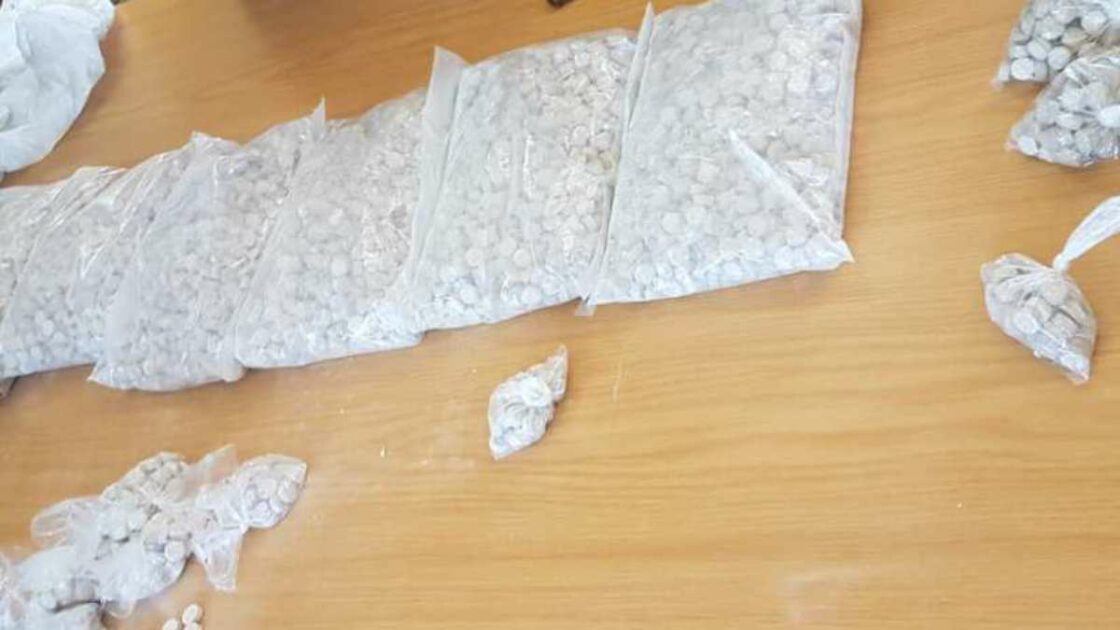
As a result, the Colonel assures that the Hawks have secured several busts over recent months, working closely with the Newcastle K9 Unit and the SAPS Visible Policing (VISPOL) unit.
With concerns surrounding this “lucrative” trade, he assures, the Hawks are conducting further operations to apprehend the drug lords. But, as the Colonel says, the Hawks are hunting for labs in Newcastle and Northern KwaZulu-Natal. A great approach because if you stop the production, you eliminate the opportunity for availability.
Nevertheless, coming as no surprise with two major cities on either side of Newcastle, the Colonel asserts that the vast majority of drugs found in the community are not produced within the town’s borders.
“The drugs come from outside of Newcastle, primarily Durban and the Gauteng region,” he emphasises.

Keeping this in mind, he adds that the Hawks are constantly installing a series of plans to reduce the number of drugs entering the town. The R34 (Memel Road) and the N11 are the most common routes used by drug mules. Therefore, the Hawks routinely conduct stop-and-search operations with the K9 Unit and VISPOL. Additionally, various other initiatives are actioned, such as gathering information on local drug dealers’ whereabouts.
Armed with reams of knowledge on the subject, Colonel Zibani claims that mandrax is the most widely used narcotic in the area. However, heroin does make an appearance in NKZN from time to time.
One must remember, you cannot just blame the suppliers. You have to realise that these drugs are in your neighbourhood due to people all around you wanting them. I.e. (The old business adage, “Where there is demand, there will be supply.” Nonetheless and looking to rid Newcastle of drugs, Colonel Zibani affirms, “The sentencing for drugs is harsh and we are working hard to find perpetrators.”
As the Hawks concentrate on the drug war, we take a closer look at Newcastle’s favourite drug, mandrax.
Click here to learn about Mandrax’s extensive history.
What are the symptoms of mandrax use?
- Headaches
- Stomach ache
- Loss of weight
- Red puffy eyes
- Clumsiness (decreased alertness)
- Loss of concentration
- Restlessness
- Increased sleep
- Brown/Yellowish marks on hands
- Slurred speech
- Poor co-ordination
What are the effects of mandrax?
- Relaxation – feeling happy (or laughing), calm and carefree
- Confusion
- Aggression – after the high has worn off
- Vomiting and nausea
- Falling over and passing out
- Sleep
What are the long-term consequences?
- Risk of addiction – as tolerance is built up rapidly
- Immune system deficiency
- Convulsions
- Physical and mental deterioration
- Breathing becomes more difficult, resulting in respiratory failure, comas, or death.
Other effects include:
- Hypertonia
- Hyperreflexia
- Vomiting
- Kidney disease
- Coma
What happens if you stop using it?
- Headaches
- Insomnia – difficulty sleeping
- Anxiety
- Nervousness
- Excessive irritability and aggression
- Change in appetite
With this in mind, what are your thoughts? Do you see drug dealers in your neighbourhood? Have you reported them? Share your views in the comments section below.
RELATED NEWS