

Estimated reading time: 4 minutes
During the UN Climate Change Conference (COP26) in Glasgow, Scotland, the European Union is considering starting a project to help South Africa transition away from coal.
The COP26 began on Sunday, 31 October 2021, and will last until 12 November 2021.
President of the European Commission Ursula von der Leyen stated that the United States, the United Kingdom, Germany, France, and the European Union, in collaboration with SA, will establish a Just Energy Transition Partnership.
“The idea is that the countries support South Africa to phase out of coal faster, and to go earlier and faster into developing renewables.”
While admitting that the respective parties are still working on the project, von der Leyen is confident that the new proposal will be launched. She added, “And then this partnership could become a template on how to support just transitions around the globe, with sponsoring countries and countries that have to move on faster in the just transition.”
Officials have already met with their South African counterparts to discuss how the country will transition away from coal.
According to Eskom CEO Andre de Ruyter, meetings with the envoys showed that foreign governments were willing to support the country’s move away from coal.
According to De Ruyter, enabling Eskom’s just energy transition could cost between $30 billion (about R440 billion) and $35 billion (over R500 billion).
One of the primary reasons for assisting South Africa in making the transition is that coal is the most polluting fossil fuel. It is critical to phase it out quickly if the world is to meet the Paris Agreement’s target of limiting global warming to 1.5 C and averting the most catastrophic effects of climate change.
The Glasgow summit aims to secure enough new commitments and agreements from polluting countries and industries to reduce emissions quickly enough to keep the 1.5 C target within reach.
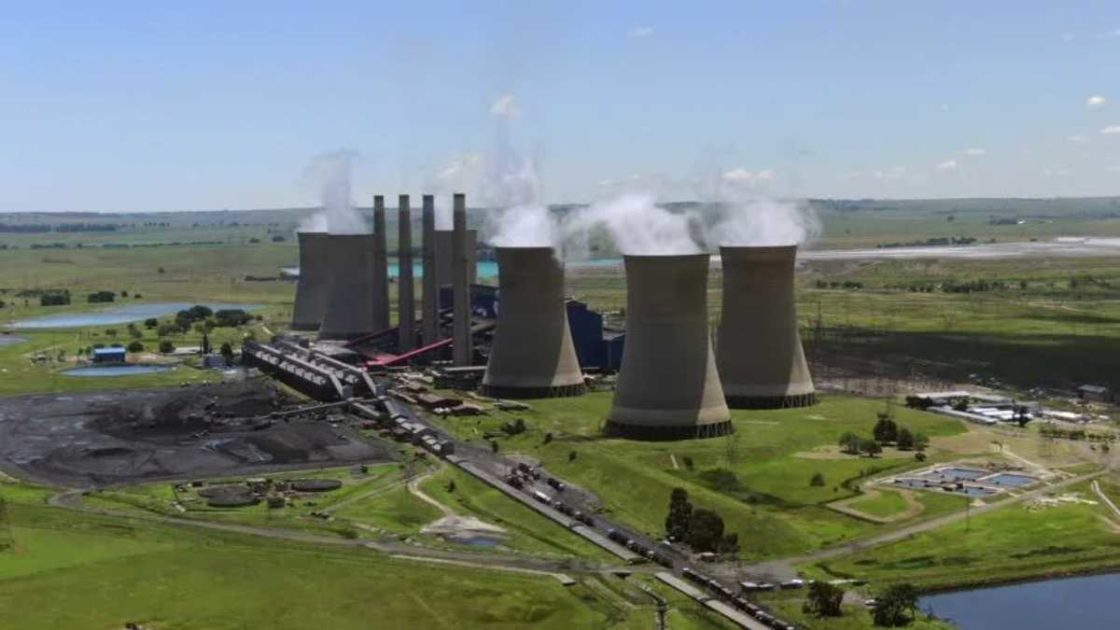
In addition, the Centre for Research on Energy and Clean Air (CREA) recently discovered that South Africa’s Eskom had become the world’s largest emitter of health-harming sulphur dioxide.
Eskom’s emissions, according to CREA, contribute to high levels of ambient air pollution and air pollution-related deaths in South Africa. According to a study conducted by air pollution expert Mike Holland, this is responsible for approximately 2,200 deaths each year.
The majority of these deaths appear to be the result of SO2 emissions, which, when released into the air, form deadly PM2.5 particles.
To read CREA’s full findings, click here.
South Africa, according to President Cyril Ramaphosa, has high expectations from COP26.
“It is our expectation that as we are playing our part in the global climate change effort and have raised the level of our ambition, other nations should do the same. We will also affirm our position that developed countries have a responsibility to assist developing countries to adapt to and mitigate the effects of climate change.”
President Cyril Ramaphosa, South Africa
The President expressed confidence that the government will continue its efforts to strengthen communities and harness the potential of the green economy to improve citizens’ lives and grow the economy.
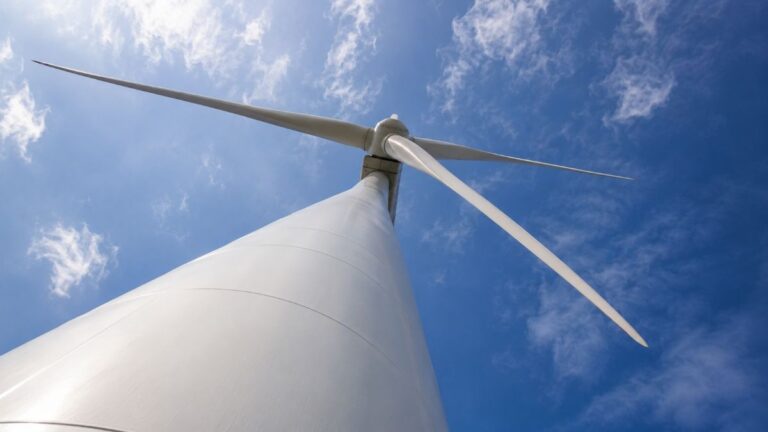
“This includes greater use of renewables in electricity generation and the use of green technologies in water and waste management. We will support the recycling economy by revitalising buy-back centres and integrating waste-pickers into the recycling economy value chain.”
The President claims that the government intends to make more land available for agricultural production in communities through municipal land-use zoning, including communal food gardens.
Furthermore, Ramaphosa says that the government is dedicated to making a fair contribution to the global climate change effort and that they have recently set new and more ambitious greenhouse gas emission targets.
“While we are undertaking national efforts to achieve these targets, it is equally important that we combat climate change through local actions.”
The President stated that the government must incorporate climate change considerations into service delivery planning at the local government level.
This includes human settlement design, energy management through solar water heating for low-income households, and renewable energy in municipal water and wastewater infrastructure.
“A number of municipalities, notably in KwaZulu-Natal, are already piloting the use of different renewable energy sources such as landfill gas to electricity, biomass, biogas and small-scale hydro power. Last month the City of Cape Town launched the pilot phase of a floating solar power plant at a wastewater treatment works,” he says.
Moreover, recent changes to electricity regulations that allow municipalities to buy and generate their own power are expected to increase the uptake of renewable energy technologies over time.
What are your thoughts as initiatives are brought to the forefront to wean South Africa off its reliance on coal?
Share your thoughts in the comments section below.
RELATED NEWS