As day 28 of the nationwide lockdown came to an end last night, April 23, South Africans waited in anticipation for President Cyril Ramaphosa to address the nation. Would he be easing the lockdown regulations? Or would there be yet another extension?
“My fellow South Africans, it has been exactly seven weeks since the first case of the coronavirus was confirmed in our country. Since then, all our lives have changed in fundamental ways,” began President Ramaphosa.
He explained that as a nation, we have been forced to take aggressive action against an invisible enemy. One which threatened our lives and the lives of our loved ones.
But what happens now? What happens on April 30?
Acknowledging that a nationwide lockdown is probably the most effective means to contain the spread of the coronavirus, President Ramaphosa explained it cannot be sustained indefinitely.
“Our people need to eat. They need to earn a living. Companies need to be able to produce and to trade, they need to generate revenue and keep their employees in employment. We have accordingly decided that beyond Thursday, 30 April, we should begin a gradual and phased recovery of economic activity.”
A risk adjusted strategy will be conducted, through which authorities will take a deliberate and cautious approach to the easing of current lockdown restrictions.
“We have decided on this approach because there is still much that is unknown about the rate and manner of the spread of the virus within our population. The action we take now must therefore be measured and incremental.”
According to President Ramaphosa, this approach is guided by the advice from scientists, who have advised that an abrupt and uncontrolled lifting of restrictions could cause a massive resurgence in infections.
As part of this approach, there will be five coronavirus levels:
Level 5 means that drastic measures are required to contain the spread of the virus to save lives.
Level 4 means that some activity can be allowed to resume subject to extreme precautions required to limit community transmission and outbreaks.
Level 3 involves the easing of some restrictions, including on work and social activities, to address a high risk of transmission.
Level 2 involves the further easing of restrictions, but the maintenance of physical distancing and restrictions on some leisure and social activities to prevent a resurgence of the virus.
Level 1 means that most normal activity can resume, with precautions and health guidelines followed at all times.
The National Coronavirus Command Council prior to President Ramaphosa’s address to the nation. It was then determined the national coronavirus alert level will be lowered from level 5 to level 4 with effect from Friday, May 1.
This means that some activity will be allowed to resume subject to extreme precautions to limit community transmission and outbreaks
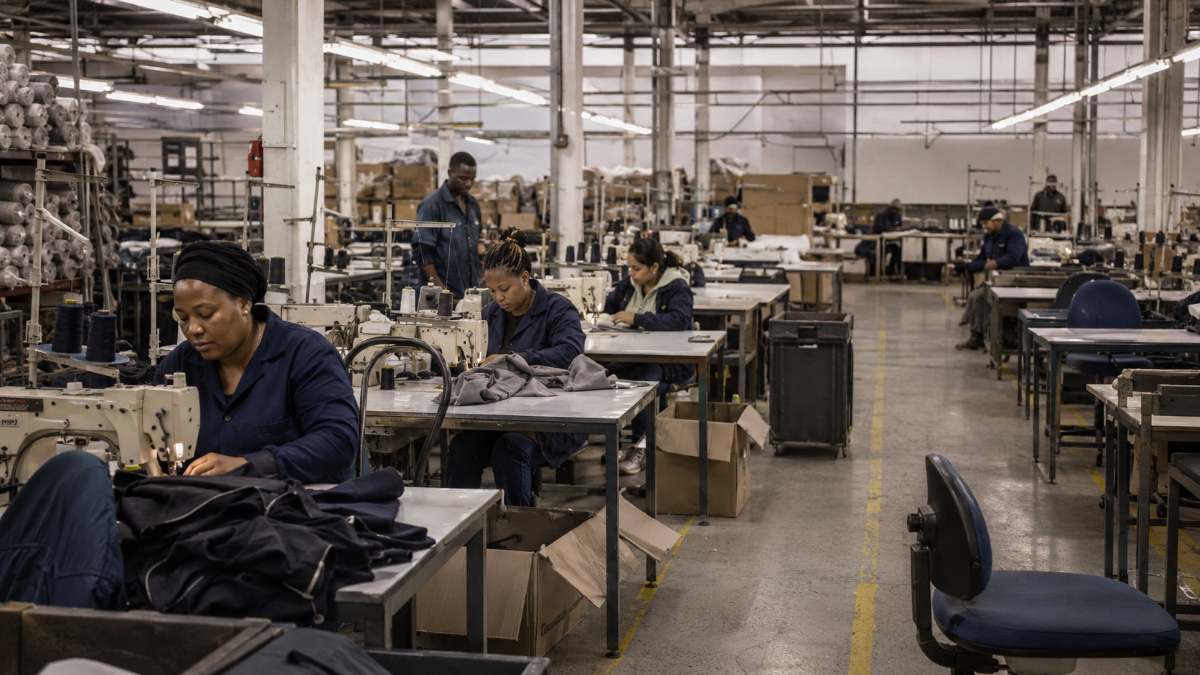
Some businesses will be allowed to resume operations under specific conditions.
However, businesses will have to adhere to detailed health and safety protocols to protect their employees. Workplace plans will also be put in place to enable disease surveillance and prevent the spread of infection.
All businesses that are permitted to resume operations will be required to do so in a phased manner. The first phase will be preparing the workplace for a return to operations. This will be followed by the return of the workforce in batches of no more than one-third.
“In some cases, a sector will not be able to return to full production during Level 4 while the risk of infection remains high. These will be spelt out next week following a final round of consultations,” President Ramaphosa explained.
What else can South Africans expect as of May 1?
- South African borders will remain closed to international travel. Except for the repatriation of South African nationals and foreign citizens.
- No travel will be allowed between provinces, except for the transportation of goods and exceptional circumstances such as funerals.
- Public transport will continue to operate, with limitations on the number of passengers and stringent hygiene requirements. This will include that all passengers must wear a face mask.
- The public is encouraged to stay at home, other than for essential personal movement, doing essential work and work in sectors that are under controlled opening.
- People can exercise under strict public health conditions.
- All gatherings, apart from funerals and for work, will remain prohibited.
- Those who are elderly, and those with underlying conditions, must remain at home and take additional precautions to isolate themselves.
- The sale of cigarettes will be permitted.
- The range of goods that may be sold will be extended to incorporate certain additional categories. These will be detailed by the relevant Ministers.
- It is important to note that several restrictions will remain in place regardless of the level of alert for as long as the risk of transmission is present:
- Bars and shebeens will remain closed.
- Conference and convention centres, entertainment venues, cinemas, theatres, and concerts will remain closed.
- Concerts, sporting events, and religious, cultural and social gatherings will not be allowed until it is deemed safe for them to continue.
What are your thoughts on the situation, as South Africa prepares for the next phase in the fight against COVID-19? Share your views and thoughts with us in the comment section below.
To read President Ramaphosa’s full speech, click on sacoronavirus.co.za