

Estimated reading time: 3 minutes
Chatting with a local farmer regarding a persistent problem escalating in the farming community, being stock theft, we hope to better understand the impact and costs while considering some preventative advice.
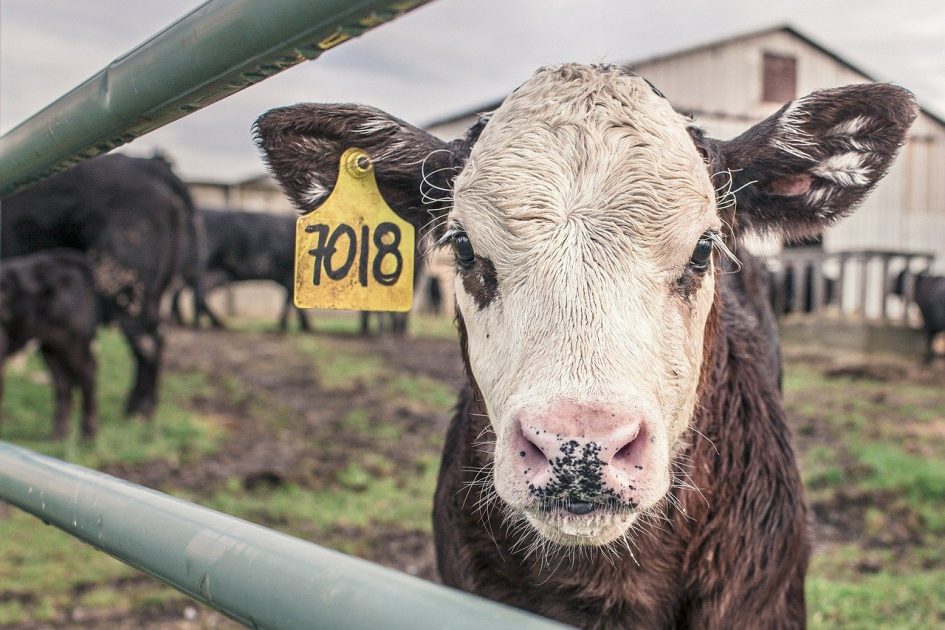
However, when firstly looking at a current stock theft case; four men were arrested in Groetvlei, Free State after the Utrecht Stock Theft Unit embarked on an intensive investigation in July 2020—recovering 25 cattle. Subsequently, the four criminals recently appeared in the Utrecht Magistrate’s Court after months of tireless investigations.
The suspects have since been released on a warning, with their case being remanded to 1 March 2021. Hopefully, this being the first step in slowing the progression of said crime in the area, considering the debilitating and costly effect stock theft has on the local community.
With stock theft in the Utrecht area spiking, Police spokesperson, Colonel Thembeka Mbele highlights this notable increase can be observed in the number of stock theft cases reported by farmers to the Utrecht SAPS, especially during the 2018 and 2019 period.
Moreover, while the Acting Provincial Commissioner for KwaZulu-Natal, Major General Thulani Gonya, commended the detectives for their breakthrough. He says, “Stock Theft still remains a concern for us in this Province. We are urging communities to refrain from buying stolen stock and meat sold by stock thieves.”
Words to remember as various legal trading businesses, such as specific butcheries and shisanyamas, allegedly support the trade due to meagre costs on the stolen meat versus legally purchased options.
Therefore, the responsibility jointly rests on us as consumers and businesses to qualify the meat we are buying, questioning the product’s origin.
Gary Lavarack, a farmer from the Wakkerstroom area, highlights farmers from all walks of life are being affected by stock theft, not just the commercial farmers. “Farmers from the townships are also suffering losses, with livestock such as goats being stolen.”
When looking at the crime’s impact, Lavarack stresses that stock theft has significant financial implications on the farmers. “On average, a cow can cost up to R10 000, where sheep and goats can cost up to R1 500 each.”
With Wakkerstroom being a stone’s throw away from Utrecht, he claims one of the most significant issues faced by farmers in the area is that the towns are so close to the KwaZulu-Natal border. He clarifies that this allows stock thieves to escape with livestock, quickly.
To date, Lavarack claims he has been fortunate in that he as not been affected by the crime. However, he says, “My neighbour lost several sheep due to stock theft.”
With this in mind, he urges farmers in the area to keep a watchful eye over their livestock. “Count your animals regularly. Also, check your fences daily, as stock thieves cut the fences and see how long a farmer takes before their repair it.” By leaving a broken fence, he claims, stock thieves are able to take advantage of a farmer’s delayed response. “Stock thieves can steal 20 to 30 sheep in one night.”
In December 2020, Sergeant Lephoto of the Multi-District Stock Theft Team explained that stock thieves no longer merely steal livestock. Instead, if facing time constraints, they will slaughter the cow on the scene. The meat will then be sold to butcheries and Shisanyamas’.
For this reason, residents are once again urged to be cautious of where they purchase their meat. By supporting local reputable butcheries and Shisanyamas, you can ensure stock theft is minimised.
With this crime proving problematic, communities are requested to report livestock theft at their nearest police station or contact Crime Stop on 08600 10111.
Share your views with us in the comment section below.