
Stock theft is an ongoing challenge for the farming community. With 91.8% of Farms in KZN experiencing crime in the 2017 period. This is according to a study done by AgriSA. This places KZN in the top position for farm-related crimes throughout the country.
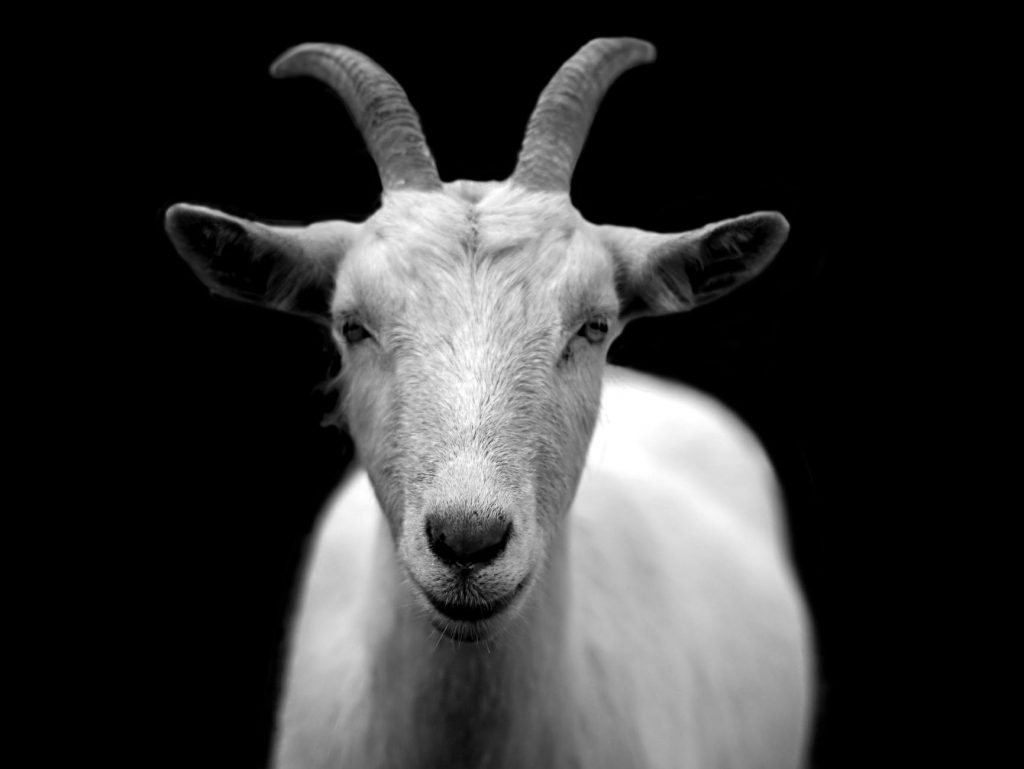
Recently, a local farmer had seven of his pedigree goats stolen from his farm. “After searching for them for a week, I received a tip-off that the goats were being held at a property in Lennoxton,” says the farmer, who wishes to remain anonymous until the police investigations are complete.
The owner of the property where the goats were allegedly held, sells livestock to the community.
“My brother went to the property under the pretence of wanting to purchase animals. When he saw the goats and identified them through their markings, the police were contacted.”
Police investigations are now currently underway, with the goats returning to their rightful owner.
“The police were extremely helpful. I also contacted the Newcastle Municipality, who said they would look into the matter of the sale yard being in a residential area,” says the farmer.
The SPCA has also been contacted to investigate the property where the animals are being held.
“I have investigated the matter and have given the owner of the property a week to address the two issues which I found. These are of cleanliness and ensuring there is adequate clean water,” says SPCA Inspector Suveshin Naidoo.
Despite the property not posing a serious threat to the animals, the question remains, should the community acquire livestock through hawkers? Or should they rather purchase animals through registered businesses and auctions?
SPCA Inspector Naidoo explains the biggest issue with hawkers selling animals, is that they often don’t have the necessary equipment.
“This involves the necessary shelter, food, water and enclosures for the animals. Furthermore, those who use auctions and proper establishments to sell animals, don’t keep their animals overnight at the sale yard. The animals are usually taken back to the farm, so they have the necessary space and care.”
While explaining the sale yard in Lennoxton isn’t necessarily contravening any laws, SPCA Inspector Naidoo says it is not ideal for the animals.
“There are hawkers in Madadeni as well. However, these hawkers usually take the livestock back to the respective farms in the evening.”
Unless the hawkers can prove their livestock is theirs through proper branding and paperwork, the threat of purchasing stolen livestock is also a possibility.
Attempts to contact the Newcastle Municipality’s Communications Department on the legal aspect of selling livestock in a residential area proved to be futile.
What are your thoughts on livestock sale yards being in a residential area? Do you feel it poses a health risk to both the residents in the area and the animals? Or do you feel it creates an income for those looking to make a living? Share your views in the comment section below.