

We far too easily jump on our hind legs when the President announces an alcohol ban or places restrictions on movements and gatherings. Yes, they are frustrating and have now resulted in many people landing on various sides of the fence when it comes to; pro-restrictions or not. But when speaking to emergency services, there is however a side to the ban which offers a sense of comfort to those on the frontline.
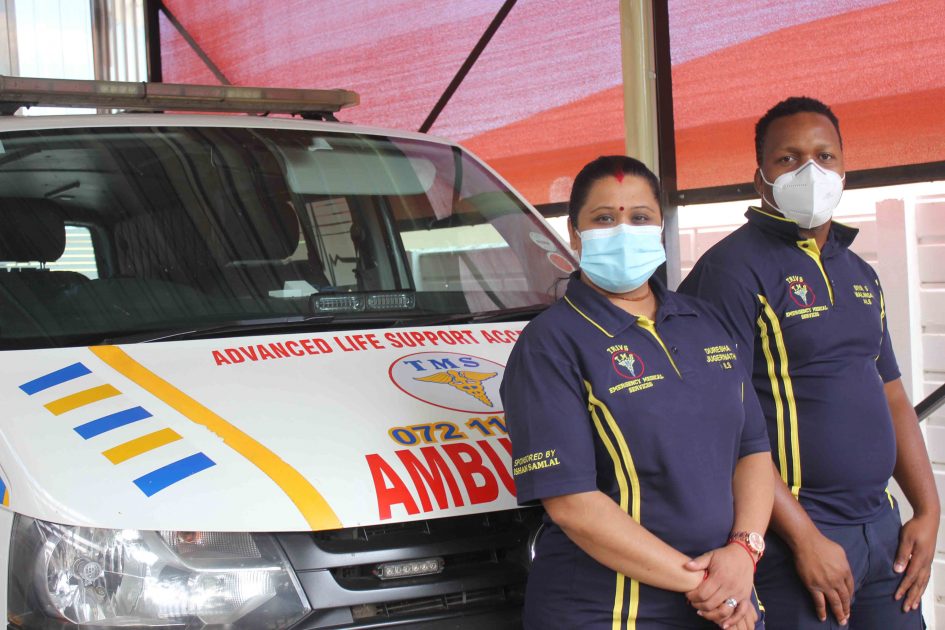
Duresha Jugernath of TRIVS Medical, being a person responding to the aftermath of good times gone bad, says, “This is generally a bad time of the year, with Motor Vehicle Accidents (MVAs) and trauma incidents.” Over the past month, Duresha points out, she and her team, as well as others in the EMS sector, have attended to several MVAs. Especially along the N11, Amajuba Pass and Utrecht Road.
Read here – Accident on N11 sees 15 people rushed to hospital
And then there are the violent trauma incidents including; stabbings, domestic violence and various degrees of assault which are fueled by alcohol consumption. “While trauma has not been that bad over recent days, at the beginning of the month, we had a lot of assaults, stabbings and domestic violence, “affirms Duresha.
“When President Ramaphosa initially implemented the ban on alcohol sales in March, we only had two MVA incidents. It (alcohol) also contributes to violence, and now over the festive season, people will attend parties and a small altercation can lead to full out fight where alcohol is involved. Then there is also the fact that people are emotionally stressed this year.”
All the incidents and accidents add up and place strain on an already overwhelmed medical industry. Therefore, is the ban really that bad this time of the year considering all things?
With the above in mind and to rub salt into the wounds, Duresha highlights, “People are contacting us for medical cases, wanting us to take them to hospital when a family member or friend could take them instead.”
This apparently stems from a gross-misconception which states; doctors will treat a patient first if they are brought in by an ambulance. This is, however, not the case at all. Doctors treat people according to their current medical condition.
Authors: Quinton Boucher and Calvin Swemmer
Edited: Calvin Swemmer