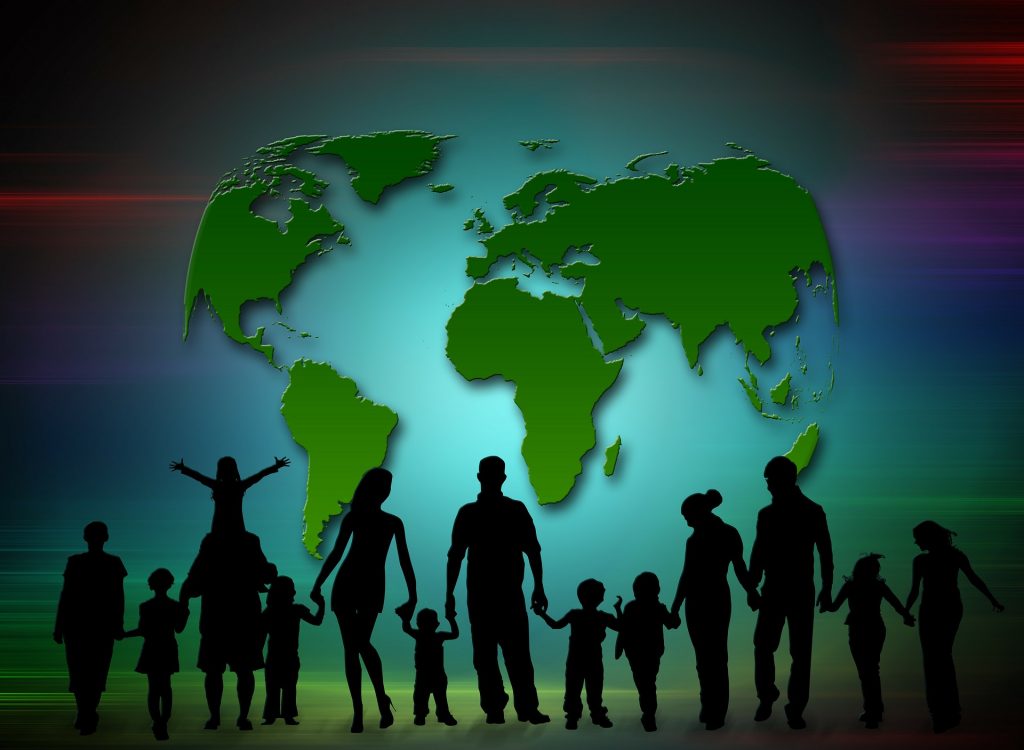

Today, April 22, is International Mother Earth Day. A day which focuses on the fact that the Earth and its ecosystems are our home, promoting the importance of living in harmony with nature and Earth.
As we look at observing the day, we look at the term Mother Earth. Why do people so often refer to or planet as Mother Earth?
The term is used because is reflects the interdependence that exists between humans, other living species and the planet we all inhabit.
What makes observing International Mother Earth Day so important?
According to the United Nations (UN), Mother Earth is clearly urging a call to action.
“Nature is suffering. Australian fires, heat records and the worst locust invasion in Kenya. Now we face COVID -19, a worldwide health pandemic link to the health of our ecosystem,” the UN emphasises.
The UN explains that climate change, man-made changes to nature; as well as crimes which disrupt biodiversity, such as deforestation, land-use change, intensified agriculture and livestock production or the growing illegal wildlife trade, can increase contact and the transmission of infectious diseases from animals to humans (zoonotic diseases) like COVID-19.
According to UN Environment, from one new infection disease that emerges in humans every four months, 75% of these emerging diseases come from animals.
“This shows the close relationships between human, animal and environmental health,” the UN says.
The UN explains that visible, positive impact, whether through improved air quality or reduced greenhouse gas emissions, are temporary. This is because they come on the back of tragic economic slowdown and human distress.
Therefore, it is extremely important to shift to a more sustainable economy that works for mankind and the planet.
What is the importance of biodiversity for humans?
The UN explains that the coronavirus outbreak not only puts the public health and global economy at risk, but biological diversity as well.
However, it seems that biodiversity can be part of the solution. Especially, since this diversity of species would make it difficult for pathogens to spread rapidly.
Biodiversity changes affect ecosystem functioning. Significant disruptions of ecosystems can result in life sustaining ecosystem goods and services.
According to the UN, specific linkages between health and biodiversity include impact in nutrition, health research or traditional medicine, new infectious diseases and influencing shifts in the distribution of plants, pathogens, animals, and even human settlements, most of them affected by climate change.
Despite ongoing efforts, biodiversity is deteriorating worldwide. It is deteriorating at such a rate, the UN says an estimated one million animal and plant species are threatened with extinction.
Therefore, it is mankind’s immediate priority to prevent the spread of COVID-19. As well as to tackle habitat and biodiversity loss.
Be sure to do your part in saving the planet today.