


Estimated reading time: 4 minutes
The craft of carpentry is an art form. One which sees man and nature unite to create works of beauty.
At Crane’s Nest, the fine art of carpentry is a lifestyle. It is a business where passion and quality are of the utmost importance. Such is the passion for carpentry at Crane’s Nest, that all wood must undergo a stringent test before making its way into the workshop.
What process does Crane’s Nest follow to select wood?
After consulting with their client on their choice of wood for their tailored cabinetry/furniture, Crane’s Nest sources the necessary timber from a range of suppliers.
“Since we do not have any exotic timber merchants in Newcastle, we have to outsource it. We have suppliers in Pomona, Pretoria, Kroonstad, Pietermaritzburg and Durban. We have even sourced timber from as far as Cullinan,” explains Tracy Hatting.
After determining which supplier is the best option, Tom and Tracy then drive to the supplier and physically examine and inspect each plank for the correct colouration and quality.
“Crane’s Nest only uses SABS approved timber. Many of our clients have their own timber, and we have no problem using their timber to manufacture their products. However, in this case, we do not accept responsibility if the timber is not up to standard and cracks or warps after manufacturing.”
After driving up to their respective suppliers to physically examine the time, how do Tom and Tracy qualify which wood will be used?
“It is quite a painstaking process when Tom is at the timber merchant, in that he carefully examines each plank to ensure there are no flaws, cracks or too many knots. He also checks to ensure the colouration of the planks, such as the grain differences which vary immensely. If the timber is cut from the middle of the trunk; the grain is finer and won’t have such a distinct difference between the hard and softwood, as when it is cut from the outer edges of the trunk,” Tracy explains.
Why is it instrumental to select the best wood for their products?
As with any reputable business, Tom and Tracy explain if you want to offer the best quality product, you need to use the best quality raw materials.
“There are many timber merchants which sell second-grade timber, which hasn’t passed the strict regulations in terms of drying. This will be to the detriment of the manufacturer, as the timber will move or crack and the product will come back for repairs,” Tracy says.
What type of wood does Crane Nest prefer using and why?
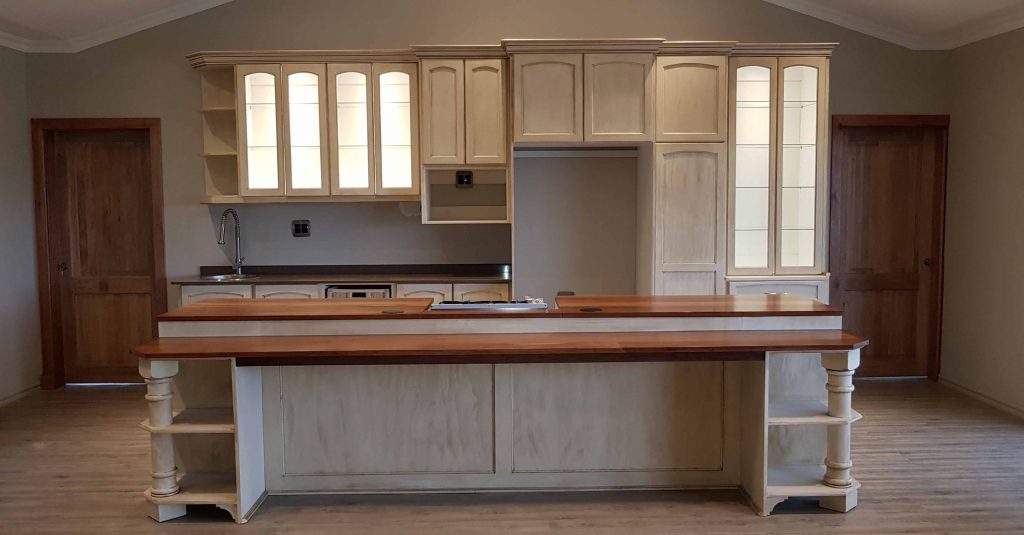
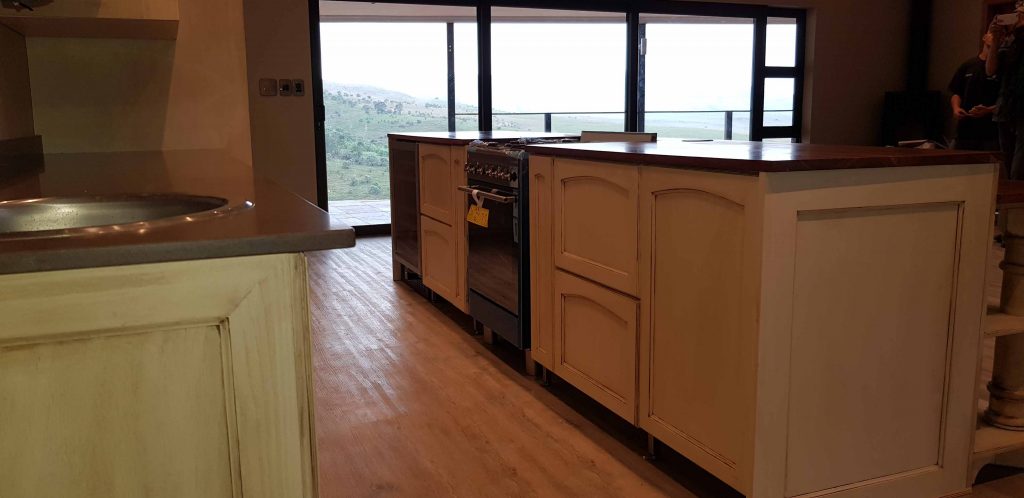
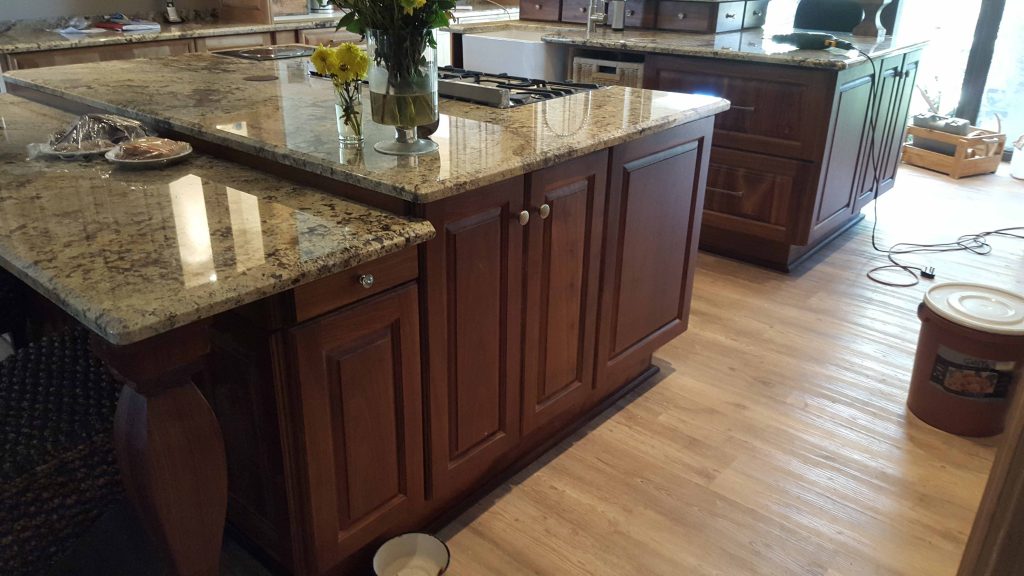
While offering all options on cabinet finishes – melamine, wrapped doors or solid, Crane’s Nest prefers solid wood.
“The look and durability of wood, as opposed to melamine or wrapped doors, just offers a classier, longer-lasting finish to your product. Some timbers are more difficult to work with, like the African teaks – rosewood and Rhodesian teak; while others are just effortless to work with, like kiaat. Some of the most beautiful timbers to work with are the imported woods such as oak and beech; with the most beautiful wood that we have worked with, walnut. We do not limit ourselves to one specific wood type as the final decision lies with the client,” Tracy explains.
What process does Crane’s Nest follow once the wood has been selected?
Tracy explains it is vital that when they move the timber from one region to another, it doesn’t lie in storage for too long.
“Wood is a living material and the changes in regions and climates causes a loss or gain of moisture, which causes the wood to shrink or swell.”
This can cause the planks to crack and warp, making it difficult to work. This is another reason why Crane’s Nest avoids stocking too much wood for resale.
“Once the wood has been put under the stresses of cutting, planing and laminating it, is vital to use it to manufacture the product as quickly as possible.”
Assuring all their clients, both current and future, that they only source and purchase the best quality raw materials to suit the budget of their clients, be sure to visit Crane’s Nest today. After all, only the best will do.