As geopolitical tensions in the Middle East escalate, South Africa is confronting the downstream consequences for fuel security and pricing. Global oil benchmarks have surged, with Brent crude trading in the $90–$115 range in recent sessions (peaking above $115 earlier this week), exposing the country’s heavy reliance on imports and injecting fresh volatility into local markets.
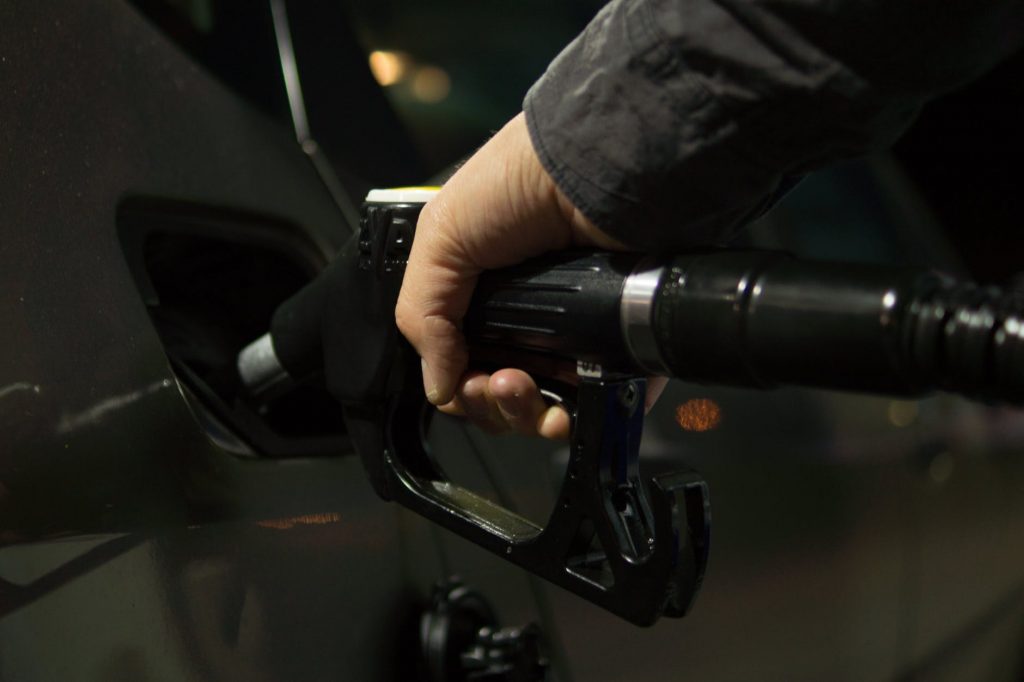
While major urban service stations continue to supply petrol and diesel without formal restrictions, early signs of strain have emerged in rural and agricultural sectors.
PAID ADVERTISING
This comes as reports have noted that several suppliers have introduced limits on daily diesel sales to farmers, reflecting heightened caution amid rapidly rising wholesale costs.
Two prominent examples illustrate this trend. Oos-Vrystaat Kaap (OVK) Limited in the Eastern Cape announced on 9 March 2026 that it had temporarily closed its diesel ordering book at distribution points due to sharp price hikes from suppliers; the measure, described as short-term to allow assessment of the situation, was under review as of 12 March.
In the North West, NWK has increased prices this week, with customer reports indicating restrictions to 80 litres per day per purchaser—though the cooperative has not publicly detailed the policy.
These agricultural outlets, typically located in small towns and rural areas, have long provided diesel at rates more favourable than those at major franchise forecourts. Although no longer farmer-owned cooperatives, they continue to serve the sector effectively by lowering input costs for operations that demand substantial fuel volumes.
Bulk purchasing enables them to secure discounts from major suppliers. Unlike petrol, which carries a regulated, fixed retail price, diesel allows sellers to set their own margins over the wholesale base.
Such localised measures signal how swiftly global oil market pressures are filtering through to South Africa’s rural supply chains, prompting wider industry attention.
Recent developments have amplified uncertainty and placed greater focus on vital shipping lanes, notably the Strait of Hormuz.
“This corridor is one of the world’s most important energy transit routes, through which a significant share of globally traded crude oil and petroleum products passes. Any disruption in this region can have immediate consequences for global oil supply and prices,” the Association stressed.
It further noted that geopolitical strains can inflate shipping costs and tanker insurance premiums in high-risk zones, costs that eventually feed into the landed price of imported petroleum products for countries like South Africa.
“While global oil markets have experienced price volatility as a result of these developments, it is important to emphasise that South Africa’s fuel supply remains stable for the time being, and the industry has not observed any systematic fuel shortage,” the Association explained.
South Africa draws a substantial share of its fuel imports from Gulf states, which are now directly affected by the conflict.
Nevertheless, the Department explained that based on information from industry members, the bulk of March imports remains secure and is expected to arrive in the country as planned.
“In parallel, the Association and its members are actively diversifying supply options by exploring alternative sourcing routes outside the Strait of Hormuz to other regions less impacted by current developments,” it stated.
Amid mounting worries over the security of fuel supply, the Association has urged the public to stick to routine purchasing habits.
“Sudden changes in buying patterns can create artificial pressure on the supply system, which may unintentionally worsen the situation,” it cautioned.
Furthermore the Association reiterated that South Africa’s dependence on imported crude and refined products ties local dynamics closely to international energy markets.
Global product price movements, alongside rand-dollar exchange rate shifts, therefore drive domestic fuel adjustments. The local industry, it stressed, exerts no control over crude prices or currency levels.
“Domestic fuel prices are set through South Africa’s regulated fuel pricing framework, which is administered by the Department of Mineral and Petroleum Resources. Pump prices are adjusted monthly based on international product prices and the prevailing exchange rate, and the industry does not determine or set retail fuel prices,” the Association added.
The present circumstances, it observed, highlight the urgency of bolstering long-term fuel security and supply resilience.
To that end,the Association stated the sustained industry-government cooperation should prioritise:
Ensuring adequate strategic fuel reserves.
Maintaining reliable fuel import and logistics infrastructure.
Supporting investment in port, storage, and distribution capacity; and
Creating a stable policy environment that facilitates investment across the fuel supply chain.
Furthermore, the Department of Mineral and Petroleum Resources (DMPR) has echoed assurances of stability, confirming ongoing engagement with oil companies to safeguard supply while tracking Middle East developments and their implications for global markets and local prices.
“While prolonged geopolitical tensions may exert pressure on international oil prices, the Department wishes to assure the public that there is currently no immediate risk of fuel shortages in South Africa,” the Department emphasised.
Even with several refineries shuttered in recent years, South Africa retains two functioning crude oil facilities—NATREF and Astron Energy—alongside the Sasol Secunda coal-to-liquids plant, which remains vital to domestic production.
These operations depend chiefly on crude imports from West Africa and, increasingly, other African sources.
The Astron Energy refinery is presently in a scheduled maintenance shutdown, a routine procedure for which sufficient imported fuel has been secured to meet demand during the period.
“Unfortunately, the continued rise in international crude oil prices is expected to result in higher fuel prices at the pump from April 2026. The under-recovery on fuel prices has been fluctuating since the onset of the conflict, and the Department will continue to monitor the situation closely. Further updates will be provided in due course ahead of the official April fuel price adjustments,” the Department explained.
Early indicators from the Central Energy Fund (CEF), which tracks daily under-recoveries, point to substantial adjustments when prices are finalised later this month.
As of mid-March data, projections suggest inland petrol 95 could rise by R2.60–R3.50 per litre (with some estimates reaching over R3.50 in recent daily snapshots), potentially pushing prices towards R23.00–R24.00 per litre depending on final Brent averages, rand-dollar movements, and other variables.
Additionally, Diesel faces steeper pressure, with wholesale increases estimated at R4.50–R6.00 per litre for lower-sulphur grades (and up to R6+ in more pessimistic scenarios), potentially driving retail diesel above R23.00–R24.00 per litre in many areas.
These figures exclude the additional 21 cents per litre in fuel taxes—comprising rises to the General Fuel Levy (9 cents), Carbon Levy (5 cents), and Road Accident Fund Levy (7 cents)—already legislated to take effect from 1 April 2026, which would compound the overall impact on consumers.
Taking the above all into consideration, the Department noted that oil companies sourcing refined products from conflict-affected regions are meanwhile pursuing alternative suppliers to maintain uninterrupted domestic availability.
“The Department remains optimistic that the tensions will de-escalate in the near future, which would help stabilise global oil markets and contribute to improved fuel price conditions,” it concluded.
For the public, however, the immediate concern remains the cost of keeping vehicles on the road and businesses operating, rather than the mechanics of global fuel supply chains.
With early projections already pointing to sharp fuel price increases from April, households, transport operators and farmers alike are likely to feel the impact in the weeks ahead. Rising pump prices will inevitably filter through to the broader economy, influencing food production costs, freight charges and the price of everyday goods, thereby compounding the financial pressures many South Africans are already facing.
Authorities and industry stakeholders therefore continue to emphasise that while supply remains stable for now, responsible purchasing and calm consumer behaviour will be essential to maintaining that stability.
Advertising
As global tensions continue to influence energy markets far beyond the conflict zone, the situation underscores how closely South Africa’s fuel security and pricing remain tied to international developments—leaving ordinary citizens to absorb much of the ripple effect at the pump.
What are your thoughts on this? Let us know below.
Newcastillian News invites your input. We ask that you keep your remarks courteous and on-topic. We do not allow any form of hate speech, such as racist or sexist comments. All comments are subject to moderation in line with our User Rules and Commenting Policy.