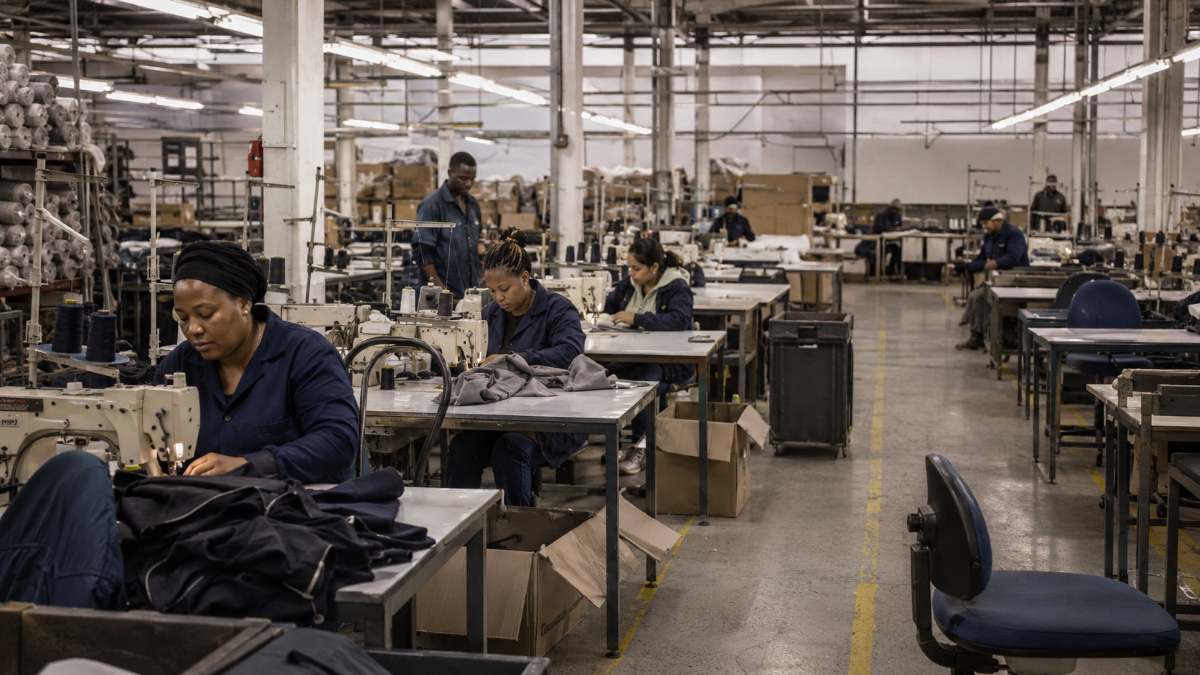
Thirty-one textile factories in Newcastle have approached government officials seeking guidance on how to comply with South Africa’s labour laws, following the exposure of widespread labour, immigration, and safety violations uncovered during enforcement raids earlier this year.
The development emerged after Deputy Minister of Employment and Labour Jomo Sibiya led a departmental delegation to Newcastle on Tuesday, 10 March 2026, where officials met with stakeholders in the local clothing and textile sector as part of a broader effort to stabilise compliance within the industry.

The delegation included representatives from the Department’s Inspection and Enforcement Services (IES) and Provincial Employment Services (PES).
According to those involved in the engagement, several factory owners have now indicated their willingness to work with authorities to address shortcomings in labour practices and workplace conditions.
The meeting follows a high-profile joint enforcement operation conducted on 5 and 6 February 2026, when authorities carried out inspections at multiple factories located in the Newcastle Industrial Park. The operation formed part of a week-long oversight visit to the Amajuba district by Parliament’s Portfolio Committee on Employment and Labour.
Officials from the Department of Employment and Labour, the South African Police Service, Newcastle SAPS, and the Department of Home Affairs participated in the raids.
During the inspections, two Chinese business owners were arrested for immigration-related offences after authorities discovered 34 undocumented foreign nationals working and residing inside factory premises.
Inspectors also uncovered a range of additional violations across several facilities. These included unsafe electrical installations, unregistered steam generators, and failures to comply with both the Unemployment Insurance Act and the Compensation for Occupational Injuries and Diseases Act.
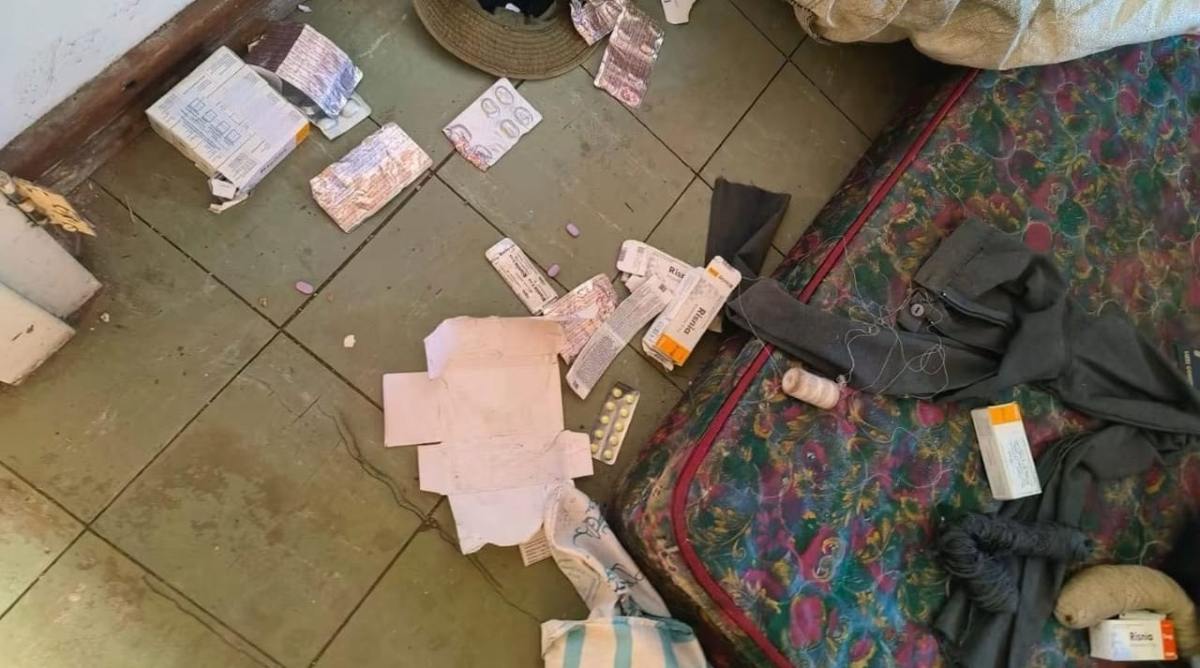
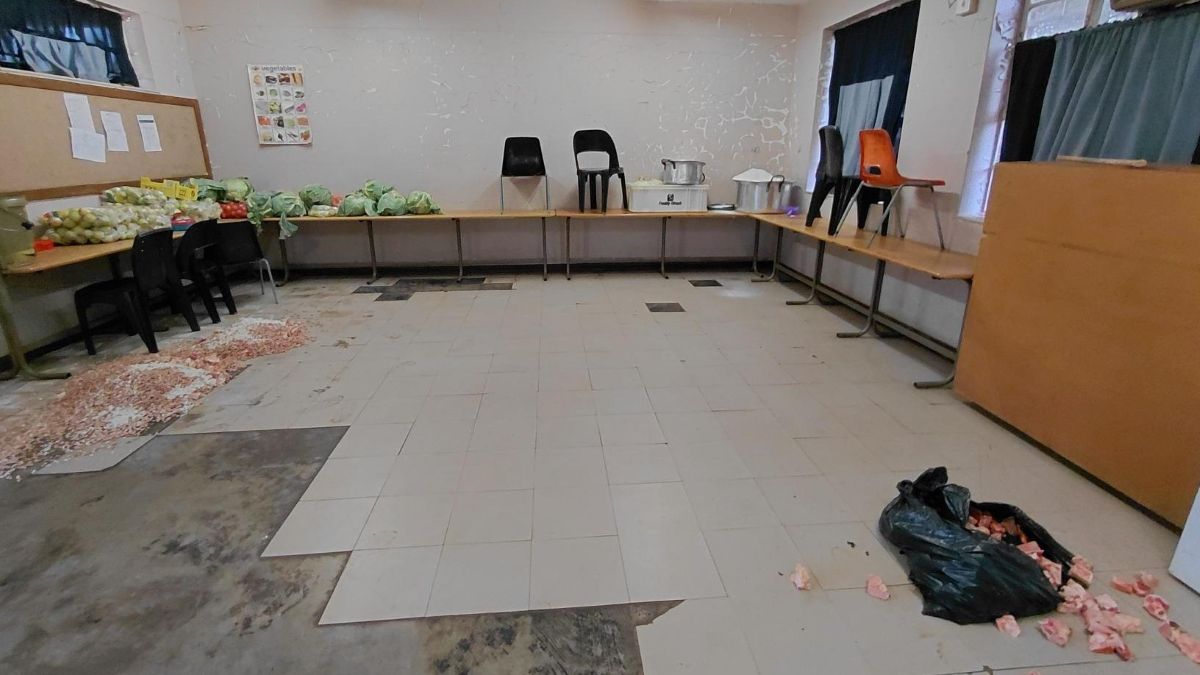
Perhaps most concerning were the living conditions identified on site. Some workers were found residing inside factory buildings in accommodation that officials described as unhygienic and presenting significant fire risks.
As a result, a prohibition notice was issued against Qing Xiu Clothing, forcing the immediate suspension of operations at the facility until the identified safety hazards are addressed. Workers who had been living on the premises were ordered to vacate the site without delay.
Members of Parliament who oversaw the enforcement operation described conditions in several factories as exploitative.
According to the Portfolio Committee on Employment and Labour, some workers were paid below South Africa’s national minimum wage, required to work excessive hours, and exposed to unsafe working environments.
Moreover, the inspections also raised concerns about the broader clothing supply chain.
Evidence gathered during the operation suggested that garments bearing labels from several major retailers — including Pick n Pay Clothing, the Mr Price Group, Pepkor, Ackermans, and others — had been produced at some of the factories under investigation.
Click here to read more about this.
In response, the retailers involved launched internal investigations, with several suspending suppliers believed to be linked to the facilities while those inquiries continue.
The findings triggered wider concern within government. In mid-February, Deputy Minister of Trade, Industry and Competition Alexandra Abrahams confirmed that enforcement authorities would intensify investigations into non-compliant garment manufacturing operations in Newcastle.
She warned that the findings raised broader questions about supply-chain accountability and responsible sourcing practices within South Africa’s clothing industry.
“Economic growth driven through sustainable industrial development requires lawful conduct and shared responsibility across the entire production and procurement ecosystem,” she said at the time.
Investigations into longstanding compliance failures within Newcastle’s textile belt remain ongoing. At the same time, parliamentary processes are advancing that could ultimately see major retailers summoned before relevant committees to account for their sourcing practices.
Meanwhile, the two Chinese factory owners arrested during the February operation continue to face legal proceedings.
Furthermore, Kundai Govere, a candidate attorney at Chothia Attorneys representing the individuals, confirmed that the matter remains before the courts.
“The court proceedings are still underway; however, the matter is running smoothly,” he said.
According to Govere, both individuals are cooperating fully with the authorities.
Against this backdrop, the 10 March engagement led by Deputy Minister Sibiya was intended to shift the focus toward improving compliance across the sector.
The session sought to educate factory owners about their responsibilities under South African labour legislation, including the fair treatment of employees, the provision of proper employment contracts, safe working environments, and adherence to statutory requirements.
During the engagement, Sibiya addressed Chinese business owners operating in the sector directly, urging them to treat workers fairly and comply fully with South Africa’s labour laws.
At the same time, he emphasised that the government remained committed to supporting legitimate foreign investment and sustainable job creation within the country’s manufacturing sector.
He also encouraged investors to continue expanding operations and creating employment opportunities for South Africans, provided those activities take place within the framework of the law.
Sibiya also welcomed the response from several factory owners who expressed a willingness to work with authorities to improve compliance standards.
He described the meeting as “the beginning of a constructive and collaborative process.”
Further details about the engagement were provided by Govere, who explained that 31 factories had voluntarily approached the Department of Employment and Labour seeking guidance on how to improve compliance and strengthen their understanding of labour regulations.
“Four of these companies employ only South African workers, while the remaining factories employ a mix of South African and foreign workers,” he said.
He added that the engagement also provided an opportunity for authorities to better understand some of the operational challenges facing factory owners.
“Deadlines are being implemented from the necessary departments and officials for the factory owners to meet the requirements, and the factory owners are willing to work with the government and the necessary officials to address any challenges and concerns raised,” he said.
For Newcastle’s textile sector, the developments of the past two months may represent a significant turning point.
February’s raids exposed troubling conditions: undocumented workers living in unsafe accommodation, wages falling below legal minimums, and widespread disregard for occupational safety standards.
The advocacy session held in March signals a shift from enforcement toward structured reform, with factory owners now expected to implement corrective measures under the supervision of labour authorities.
Whether the industry can translate these commitments into meaningful change remains uncertain.

The true measure of progress will lie not in initial cooperation or promises of reform, but in verifiable outcomes — lawful wages, formal employment contracts, safe workplaces, and transparent supply chains.
If sustained oversight continues and promised reforms are implemented, Newcastle’s garment manufacturing sector may yet rebuild its reputation and demonstrate that compliant, responsible textile production remains viable in South Africa.
What are your thoughts on this? Let us know below.
Be sure to read: