


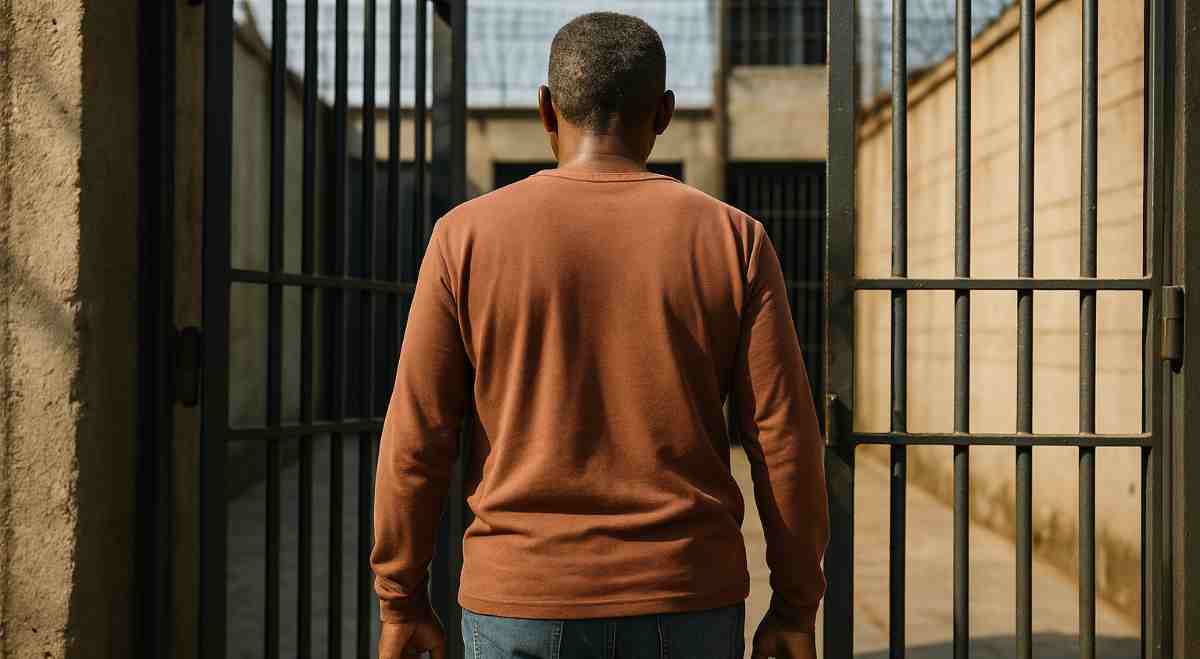
More than 2,600 individuals are currently languishing in South Africa’s overcrowded prisons, detained not for serious crimes but because they cannot afford bail under R1,000. Many face minor offences yet remain incarcerated for months, sometimes years, awaiting trial.
This includes a precise count of 2,613 detainees — with 742 in Gauteng, 798 in the Western Cape, and 438 in KwaZulu-Natal — highlighting significant regional pressures.
The situation has strained South Africa’s correctional framework, with escalating overcrowding, safety concerns, and dwindling resources exposing vulnerabilities in prison management and the justice system.

According to the Department of Correctional Services, prisons operate at 53% over capacity, with more than 50,000 of the 166,000 incarcerated individuals being unconvicted remand detainees held due to unaffordable bail.
According to the World Prison Brief (31 July 2025), this figure has risen to approximately 57,000, comprising 37.3% of the prison population. This aligns with global trends, where one in three prisoners awaits trial, as noted in Penal Reform International’s 2025 report. Foreign nationals — numbering over 25,500, including 13,400 sentenced inmates — further strain 190 facilities operating beyond capacity, according to the Judicial Inspectorate for Correctional Services (JICS).
Furthermore, in August 2025, Correctional Services Minister Dr Pieter Groenewald highlighted the burden remand detainees place on the system’s 107,000 available beds.
However, this strain disproportionately affects vulnerable groups. As of 30 June 2025, 71 unsentenced children remained in custody — a stark indicator of the human cost, as documented by the Parliamentary Monitoring Group. This includes 19 in Gauteng, 28 in the Western Cape, and 24 in KwaZulu-Natal, where regional disparities exacerbate emotional and developmental challenges. Many are held in unsuitable facilities, facing trauma and educational disruption for minor offences.
Historical data reveals 2,065 elderly inmates aged 60–99, including 535 remand detainees, and 1,390 women remand detainees — 75 juveniles and 1,315 adults — impacted by unaffordable bail.
In KwaZulu-Natal, 312 elderly inmates, including 89 remand detainees, lack adequate healthcare, while 410 women, including 22 juveniles, face overcrowding and exploitation risks. All groups endure prolonged detention and its associated health and social consequences.
Overcrowding has led to dire outcomes, including limited resources, rising gang activity, and overburdened rehabilitation programmes, fostering a volatile environment that undermines order and reintegration.
Independent Bail Fund Proposed to Address Justice Inequities
In response, the Judicial Inspectorate for Correctional Services (JICS) proposed an independent bail fund on 15 March 2025 to address justice system inequities. The initiative, to be piloted in the Western Cape, aims to support remand detainees unable to afford bail under R1,000.
JICS Inspecting Judge Edwin Cameron, retired Constitutional Court Justice, leads the effort and described it as a remedy for the “injustice of detention due to poverty” during a 17 June 2025 parliamentary briefing.
Under Cameron’s guidance, JICS conducted a 2023 feasibility study, refined in 2025, inspired by international models. He highlighted potential state savings of R10,000 per inmate per month, as stated in a 30 April 2025 JICS report, positioning the fund as a temporary measure pending broader reforms.
The fund’s design, shaped by the 2025 feasibility study, aims to decouple justice from socioeconomic status, reduce overcrowding, and inform systemic reform. It navigates a complex landscape involving departments such as Correctional Services and aligns with the Criminal Procedure Act’s bail provisions.
Establishment and Structure of the Bail Fund
Established under a trust deed dated 30 June 2025, the Bail Fund Trust, founded by Edwin Cameron with initial trustees Richard Joseph Goldstone and Lee Bozalek, began with a symbolic R100 donation. Structured as a Public Benefit Organisation (PBO), it ensures independent, tax-exempt funding for eligible inmates.
The South African Bail Fund (SABF), sustained by private donations, prevents financial hardship from determining pre-trial detention.
The pilot excludes serious offenders such as those charged with gender-based violence, with courts assessing suitability based on public risk, fixed address, and compliance likelihood.
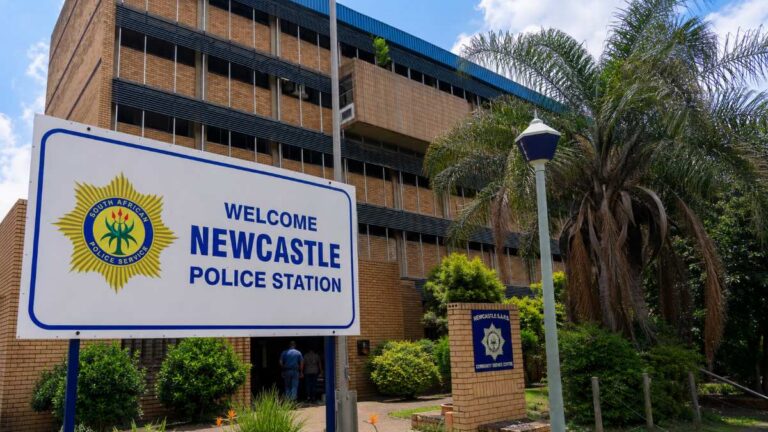
However, the initiative divides opinion. Critics fear leniency, while correctional staff see it as essential. A Newcastle prison warden, speaking anonymously, described the plight of petty offenders:
“The Correctional Service assists the South African Police Service with holding detainees due to our specialised training, but some could be bailed for R500–R1,000 yet remain for two years, exposing them to risks and revealing systemic delays.”
He further added:
“Someone shoplifting for their household can be placed with violent offenders who have been in and out of jail, endangering their life and future job prospects.”
Leadership and Pilot Programme
Director Jody-Lee Fredericks, a human rights attorney appointed in July 2025, outlined the SABF’s vision. With Cameron’s oversight and his reform work, including Behind Prison Walls: Unlocking a Safer South Africa (June 2025), the fund relies on donations.
“The SABF restores fairness by aiding those detained due to poverty, reducing pre-trial detention and overcrowding for a more equitable system,” Fredericks said.
In its start-up phase, the fund is preparing for a Western Cape pilot. In light of this, Fredericks stated that the SABF would collaborate with JICS and community organisations.
During this phase, the SABF will:
- Identify eligible detainees for bail under R1,000
- Track court appearances and outcomes
- Collect data for long-term reform
- Evaluate recidivism reduction and policy impact using anonymised data — a priority Cameron raised on 17 June 2025
Additionally, the fund’s theory of change encompasses its overall design, funding structure, and operational activities — such as bail payments — leading to tangible outputs like released detainees and long-term goals centred on equity and justice. Fredericks emphasised the importance of building robust systems, forging partnerships, and maintaining accountability:
“We’ll address challenges with care, learning from global experiences to balance stakeholder concerns.”
Drawing inspiration from the Brooklyn Community Bail Fund, which has released over 20,000 individuals since 2017 with a 90% court appearance rate, the SABF aims to achieve measurable reductions in unnecessary detention.
In a 30 April 2025 JICS statement, Cameron described such models as “instructive” for maintaining safety.
The feasibility study supports a data-driven approach, strengthened government cooperation, and public education, promoting evidence-based reform grounded in transparency and measurable outcomes.posing a 12-month pilot before a 10-year scale-up.
Potential Impact on Detainees and the Justice System
The successful implementation of the South African Bail Fund (SABF) could transform the lives of thousands of detainees currently trapped in pre-trial detention due to poverty.
For these individuals — often charged with minor offences such as petty theft — the fund would enable swift release on bail, allowing them to return to their families, maintain employment, and avoid the psychological trauma of prolonged incarceration among a wide range of offenders in overcrowded facilities.
Vulnerable groups, including the 71 unsentenced children, 535 elderly remand detainees, and 1,390 women in custody, would particularly benefit. Reduced exposure to violence, gang activity, and health risks would allow them to resume education, access medical care, and support their dependants.
Ultimately, this assistance would restore dignity, prevent life-altering disruptions, and help break the cycle of poverty deepened by unnecessary detention.

Beyond individual relief, the SABF represents a pivotal step towards systemic justice reform in South Africa.
By easing prison overcrowding and generating data on bail outcomes, it could guide policy reform — including potential amendments to the Criminal Procedure Act — and promote a more equitable justice system where freedom is not determined by financial means.
Under the leadership of Edwin Cameron and Jody-Lee Fredericks, the fund’s focus on collaboration, accountability, and independence could inspire wider reform initiatives, contributing to a more humane correctional environment and greater social stability.
Collectively, the fund’s success would also help reduce the risk of detainees facing violence or sexual assault for minor offences — a tragic consequence of being denied freedom simply because they lacked financial means.
Nevertheles, with this extremely positive and truly South African intiative in mind, what are your thoughts? Let us know below and be sure to read, South Africa Investment Opportunities: Tharisa, Sasol and Vodacom Plan for the Future, if you missed it.
FAQs for the South African Bail Fund
The South African Bail Fund (SABF) is an independent, donation-funded initiative established in 2025 to help detainees who cannot afford bail under R1,000, promoting fairness and reducing overcrowding.
The fund was founded by retired Constitutional Court Justice Edwin Cameron, with trustees Richard Joseph Goldstone and Lee Bozalek, and is directed by human rights attorney Jody-Lee Fredericks.
The fund identifies eligible detainees, pays bail, tracks court appearances, and collects anonymised data to support long-term justice reform, excluding serious offenders such as those charged with gender-based violence.
Thousands of South Africans remain in detention for minor offences due to unaffordable bail. The SABF seeks to prevent this injustice, ease overcrowding, and create a fairer justice system not determined by wealth.
The SABF aims to scale nationally after a 12-month Western Cape pilot, promoting evidence-based reform, government cooperation, and public education to achieve equitable and sustainable justice outcomes.












2 Responses
I agree with this scheme I have never understood why juveniles where jailed for petty crimes sentence them to going back to school during the week and Saturdays to work in cleaning the grounds at hospitals schools etc the streets aswell it will teach them disabling and self respect think about it it’s so much better than sitting in jails and being treated horribly by older inmates it gives them self worth
Excuse spelling mistakes typing errors