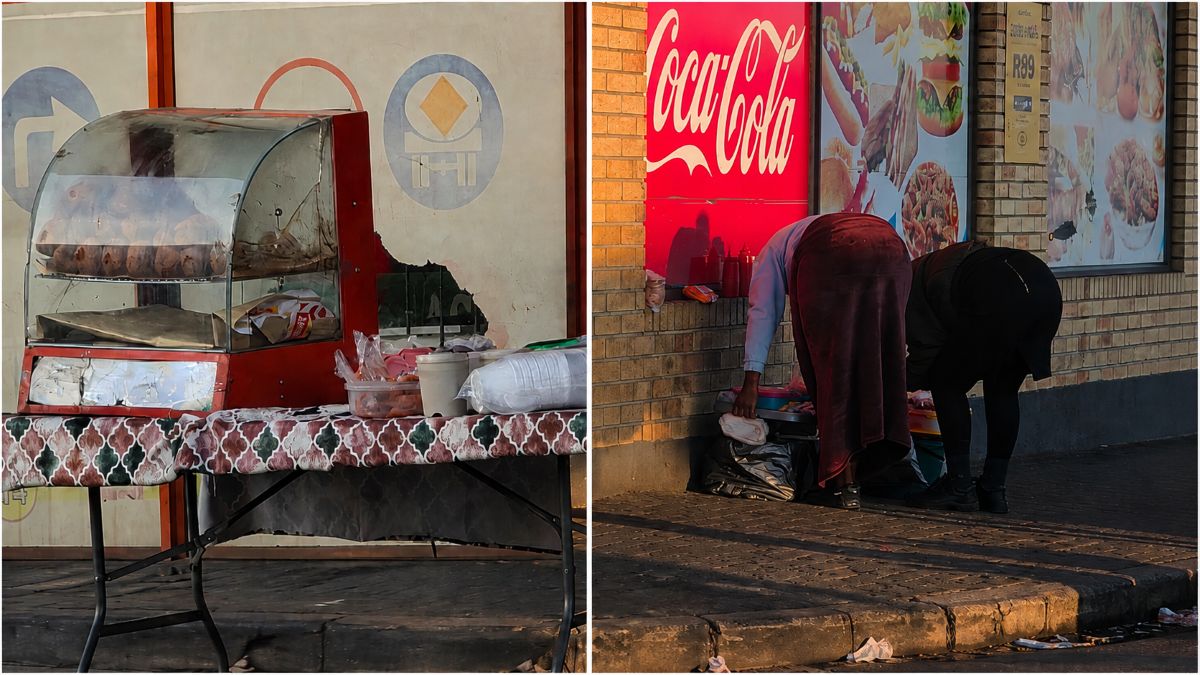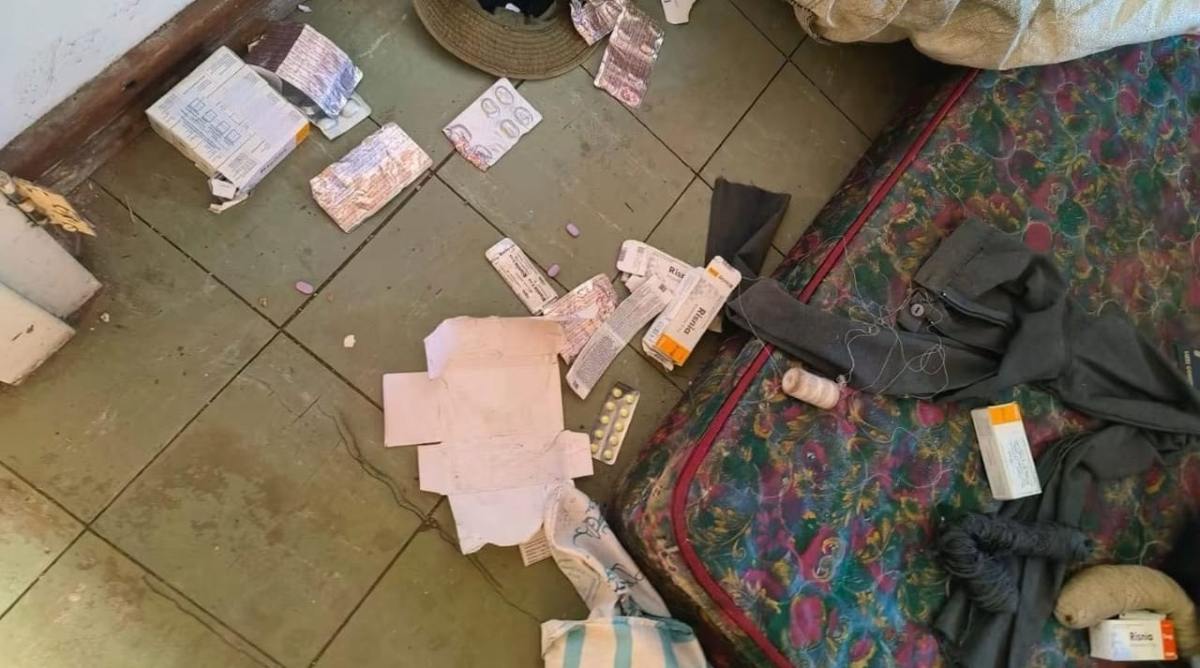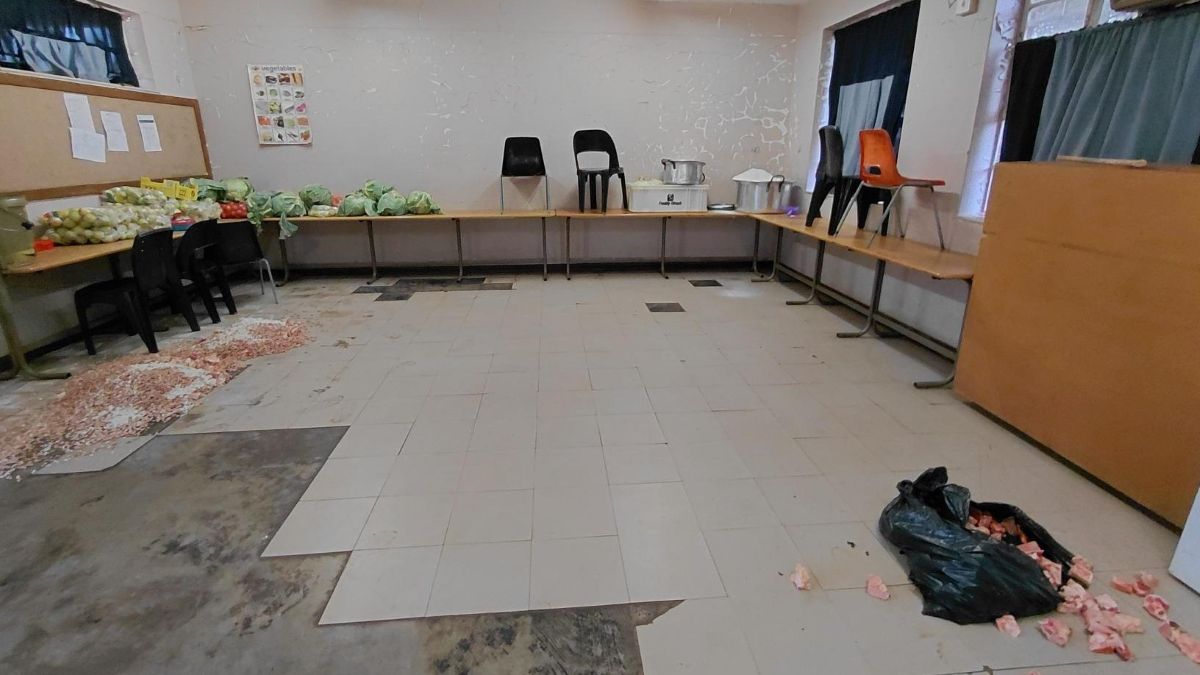



The Newcastle Central Business District (CBD) continues to grapple with escalating concerns regarding its deteriorating condition, as unregulated informal trading and lax by-law enforcement have contributed to what observers describe as accelerating urban decay.
Therefore, in a bid to restore order, the Newcastle Municipality has launched a campaign to rejuvenate the area, beginning with stricter measures against informal traders operating without the requisite permits.

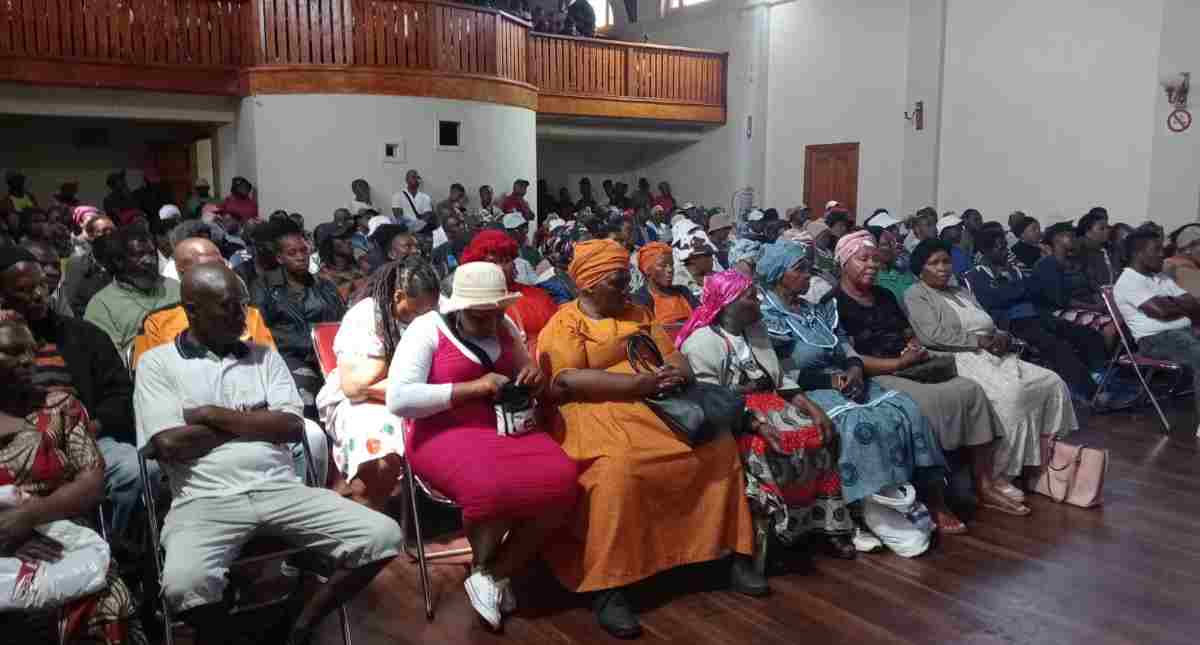
On Friday, 10 October 2025, officials from the Newcastle Local Municipality convened a structured dialogue with informal traders active in the CBD.
The gathering focused on the newly enforced by-laws, which make it mandatory for all traders to secure official permits before operating in allocated trading zones. These provisions aim to develop compliant and organised trading across municipal lands, thereby mitigating congestion and enhancing public safety.
During the engagement, representatives from the Local Economic Development (LED) Department explained the procedural steps for obtaining these essential trading permits.
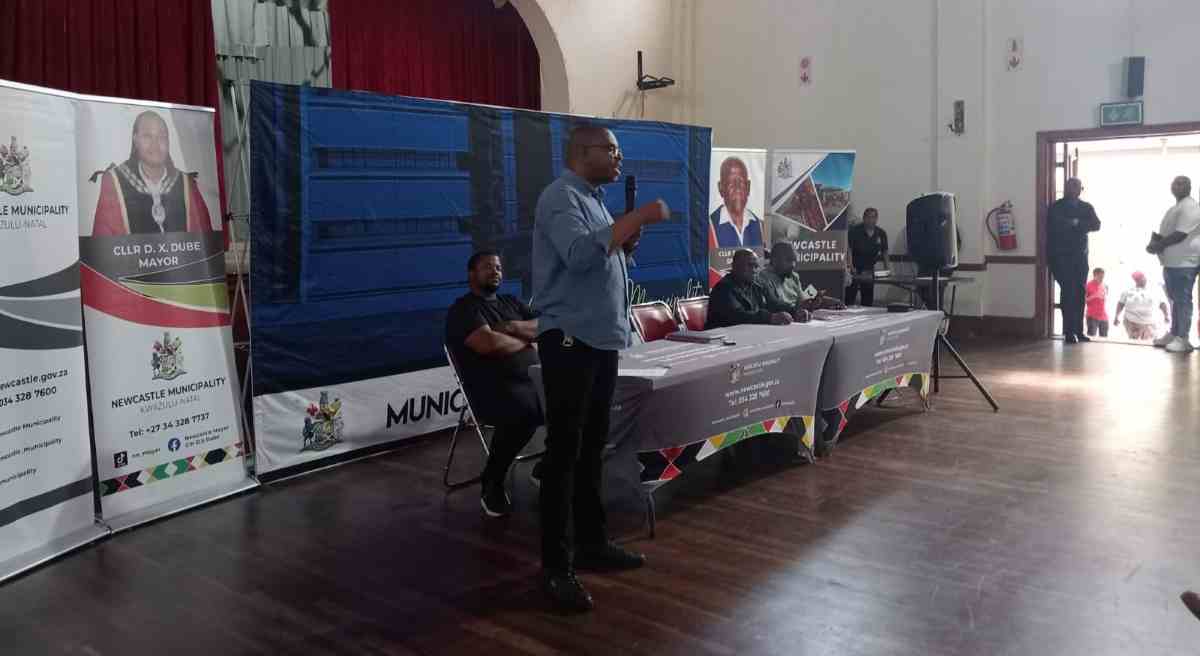
They stressed that permits must be displayed prominently at trading locations and produced upon request by authorised municipal personnel.
According to the Newcastle Local Municipality Informal/Street Trading By-law, 2014, prospective traders are required to submit annual applications via a designated form to the Informal Trade Office, accompanied by supporting documents such as identity proof, address verification, police clearance certificates, and, where applicable, health certificates for food-handling activities.
Submitted applications undergo assessment by an inter-departmental panel, considering factors including prior trading experience, eligibility criteria, household trading limits, and alignment of proposed goods or services to avoid oversaturation within the sector.
Attendees were also reminded that applications must comply fully with the Informal Trading Management Policy.
Furthermore, permit holders are responsible for paying a trading levy, an application fee, and any additional service charges prescribed by the Municipality. As outlined in the by-law, these levies are derived from the Municipal Tariff of Charges and must be settled before permits are validated or renewed; non-payment may result in suspension or refusal of permits.
More importantly, the Informal Trading Management Policy, incorporated in the Council-endorsed Informal Trading Plan, specifies permissible trading areas, including municipal hawker shelters and scheduled markets.
This, while prohibiting activity near schools, medical facilities, religious sites, traffic signals, pedestrian routes, or any area that obstructs public passage, vehicular movement, or safety equipment.
These measures aim to safeguard public health, environmental integrity, and balanced economic activity.
In conjunction with this enforcement effort, Musa Ngcobo of the Municipality’s Communications Unit confirmed that mechanisms are being implemented to address violations decisively.
He explained, “The Newcastle Municipality has also planned a program for the engagement with the informal traders, where we will also be informing them that we will also be issuing notices to non-compliant informal traders, as well as breaking down illegal structures.”
Ngcobo further stated that heightened adherence to by-laws forms a central component of a broader strategy to restore the CBD’s operational efficiency and visual appeal.
While residents have expressed frustration over past delays in enforcement, the Municipality maintains that firm measures are now underway to curb unauthorised trading and strengthen the town’s commercial core.
As prescribed by the Newcastle Local Municipality Informal/Street Trading By-law, 2014, authorised officials are empowered to issue contravention notices, seize merchandise for offences such as trading without a permit or operating in prohibited zones, and impose fines up to R2,000 for first-time violations, with higher penalties for repeat offences.

Seized goods may be auctioned if fees remain unpaid beyond 30 days.
The outcomes of the Municipality’s consultations with informal traders will require close observation in the coming weeks, as by-law enforcement progresses from consultation to active implementation.
The situation in the CBD highlights the ongoing challenge of balancing regulation, entrepreneurial activity, and public order, with the effectiveness of these measures hinging on sustained oversight and strict adherence to established frameworks.
What are your thoughts on the above? Let us know below and report any infrindgments to the authorities via the correct channels.
Be sure to read, Recyclers call for probe into scrap cartel as IDC downplays R8.5bn AMSA bid, if you missed it.