Images supplied by the Newcastle Tourism Department
PAID PROMOTION: Newcastle Municipality
South Africa’s history is rich and deeply layered, shaped by generations of courageous individuals who fought for freedom and equality. Among the country’s most revered leaders stands Chief Albert Luthuli, a Nobel Peace Prize laureate and anti-apartheid activist whose legacy continues to inspire.
Newcastle, KwaZulu-Natal, holds a special place in his story, as it was here that Luthuli’s journey as a teacher, preacher, and community leader truly began.
To understand this connection, it is necessary to return to 1892, when Reverend Joseph Metcalf of the Methodist Church facilitated the purchase of three farms — Johnston, Blaauwbosch, and Cavan — collectively referred to as the JBC.
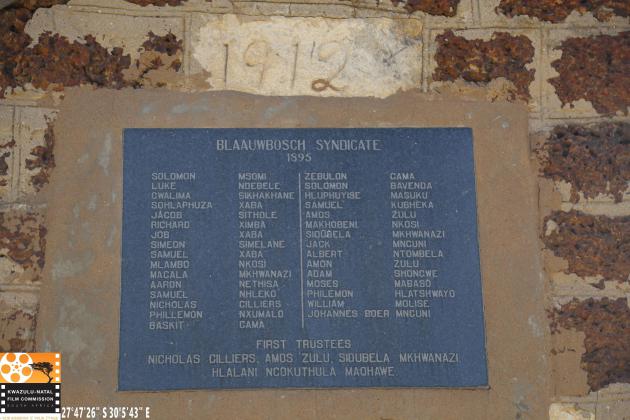
These farms were acquired from Hugh Anderson and his associates by the “31 Zulu Christians,” whose names are permanently inscribed on the granite plaque at the entrance to the Blaauwbosch Methodist Church.
This historic purchase laid the groundwork for what would soon become a thriving centre of faith, education, and economic development.
As Mendo Gampu, who oversees the Blaauwbosch heritage site, explained:
“In 1892, the 31 Zulu Christians, farmers, and artisans formed and registered the Blaauwbosch-Syndicate, and they reserved the ‘Blaauwbosch-Precinct’ for socio-eco development. This then saw the Blaauwbosch Methodist Church, Primary School, shopping centre—namely meat, fruit and vegetable produce outlets being established in 1895.”
With these developments, the area quickly transformed into a hub of learning, worship, and trade, laying the foundation for future generations.
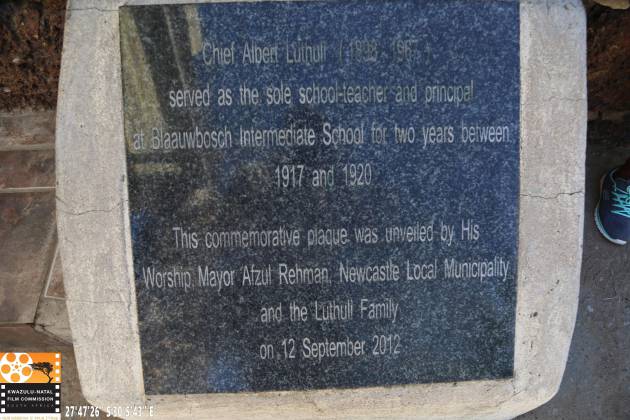
It was against this backdrop that a young Albert Luthuli arrived in Blaauwbosch in 1917, some 22 years after the school was first established.
At just 19 years old, he was deployed as both teacher and principal of Blaauwbosch Primary School, a role that would shape his leadership abilities and sense of purpose.
During this time, he stayed with uBab’uSamuweli Xaba, a respected farmer, Methodist evangelist, and member of the Blaauwbosch Syndicate.
Moreover, according to Gampu, the Xaba family and Reverend Mthembu played a profound role in Luthuli’s spiritual journey, guiding him towards becoming a preacher.
“He was tried, tested and ordained as a Lay-Preacher and preached at the Blaauwbosch Methodist Church,” said Gampu, emphasising Luthuli’s unwavering dedication to his faith.
In addition to his educational duties, Luthuli immersed himself in the day-to-day life of the Xaba farmstead.
After teaching from Monday to Friday, he spent his evenings tanning hides, producing animal pelts for household use, and crafting ropes used to hoist building stones for the construction of his own room at the homestead.
On Sundays, he fulfilled his calling by preaching to the community. The footpath he walked daily between the school and the homestead is today marked as part of the Luthuli Heritage Route, which also forms part of the Amajuba Townships Route.
This route is commemorated each year through the Luthuli Heritage Walk and Fun Race, which draws both locals and visitors to the area. As a result, the initiative not only preserves Luthuli’s memory but also stimulates rural tourism, providing self-employment opportunities for the communities east of Newcastle and encouraging pride in local history.
It was during his years in Blaauwbosch that Luthuli also stood up to injustice. On one occasion, he famously confronted Chief Inspector of Native Education, Dr Loram, who had dismissed the need for garden tools for learners, suggesting they work with their bare hands instead. Luthuli’s bold objection highlighted his lifelong commitment to fairness, dignity, and equality — principles that would later define his national leadership.
Furthermore, his years at Blaauwbosch served as a vital training ground. He interacted with the farmers, teachers, and church leaders who formed the backbone of the JBC community, and these experiences prepared him for leadership positions he would later assume.
Among these roles were President of the Natal Teacher’s Union, President of the Zulu Cane Growers’ Association, and eventually, a 15-year tenure as the 8th President-General of the African National Congress.
In recognition of his early contributions, the Blaauwbosch community awarded him the “Noble Divine Award” in 1917, decades before he would go on to receive the Nobel Peace Prize in 1960.
Today, the Blaauwbosch site remains a living testament to this remarkable history.
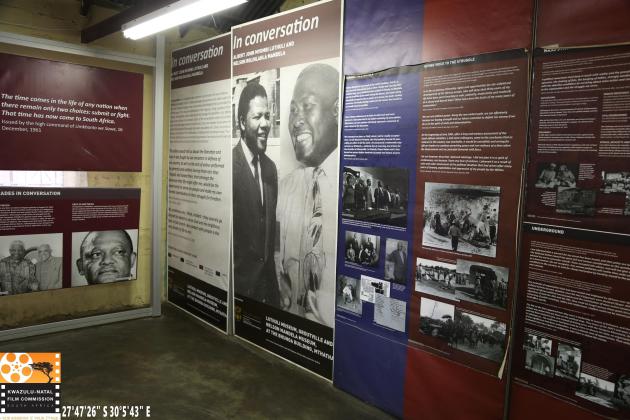
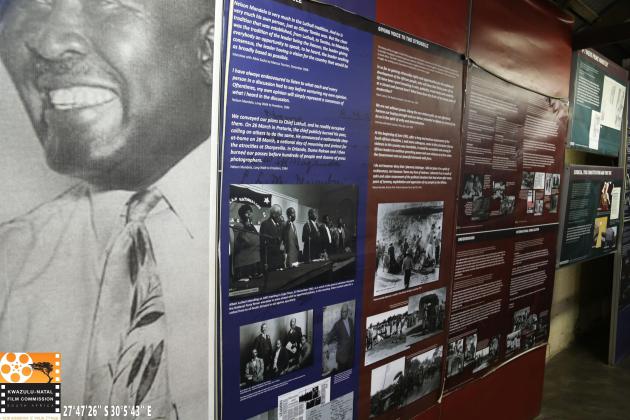
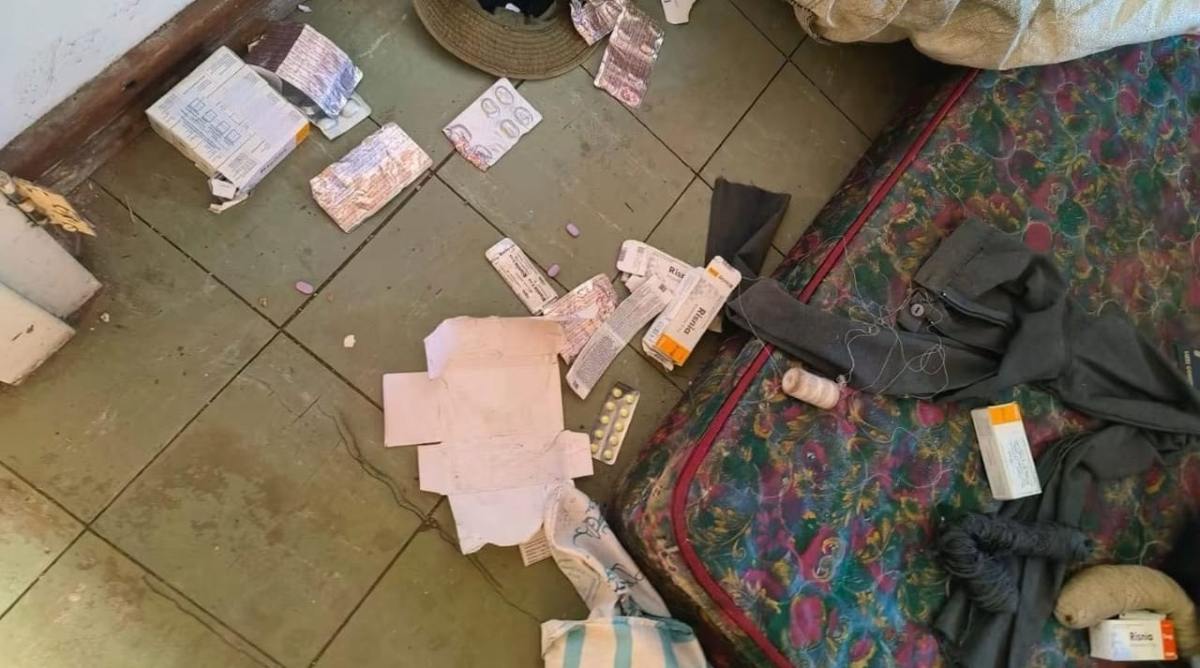
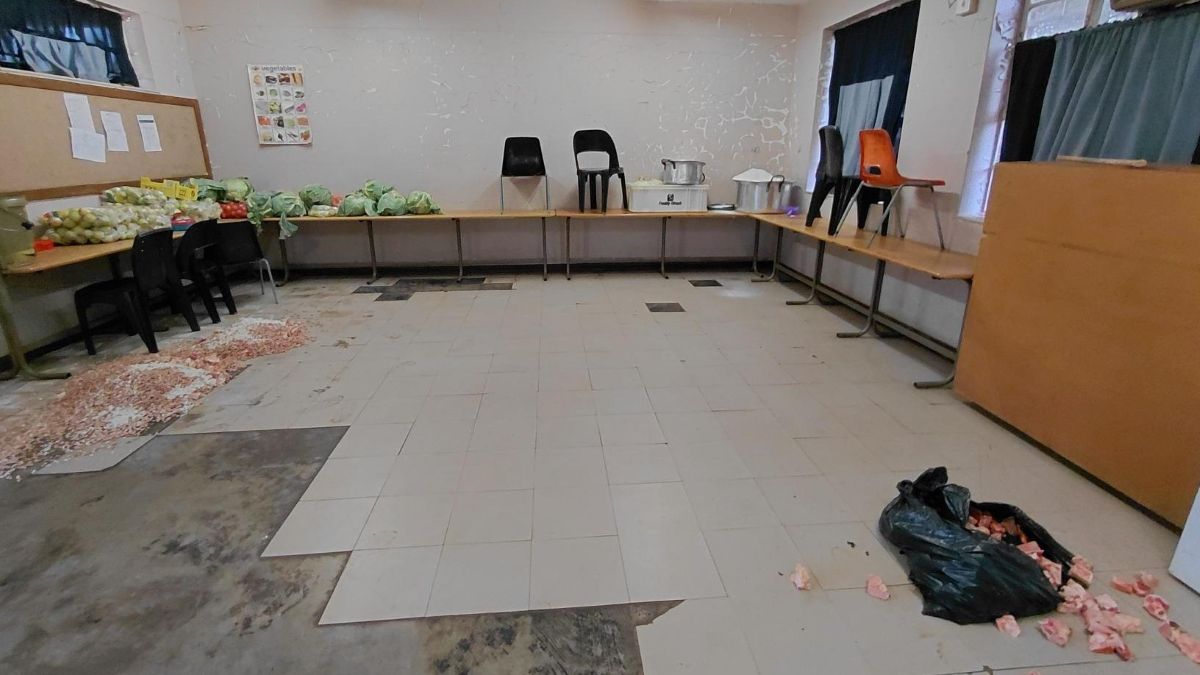
Nevertheless, there is ongoing work to keep the legacy alive. Classroom 17 at Blaauwbosch now houses a walking exhibition showcasing Luthuli’s connections with leaders such as Oliver Tambo, Nelson Mandela, and Walter Sisulu.
The display also features artwork created by Blaauwbosch Primary School learners under the guidance of Ms Judy Jordan, former curator of the Carnegie Art Gallery, and Louis Eksteen, curator of Fort Amiel.
Additionally, as Gampu proudly stated:
“We boast of a rural attraction that consists of own members who are qualified Tour Guides.”
This ensures visitors receive an authentic experience from community members who know the history personally.
Preserving this invaluable legacy has become the mission of the Chief Albert Luthuli Legacy Heritage Project (CALLHP). In line with the National Heritage Resources Act, the KZN Heritage Act, and SAHRA guidelines, CALLHP is working tirelessly to conserve the site, halt further deterioration, and promote rural tourism. The project collaborates with the Luthuli Museum, the Amajuba District Department of Education, and various partners to run outreach programmes, plant indigenous and fruit trees, and support offender reintegration initiatives.
In addition, CALLHP is partnering with local and international stakeholders to establish a Luthuli Book Corner at Blaauwbosch. Donations have already been received from the University of KwaZulu-Natal, and discussions are ongoing with the University of Pretoria, UNISA, and the Martin Luther King Centre. The piano once played by Luthuli still stands proudly at the Xaba homestead, and there are plans to erect a sculpture of him along the Heritage Route as a lasting tribute.
Importantly, CALLHP continues to participate in the annual Luthuli Walk and the Luthuli Memorial Lecture each July. Although some activities had to be postponed this year due to the Luthuli Inquest, the commitment to securing official recognition for the Luthuli Heritage Route remains steadfast.
Albert Luthuli’s time in Blaauwbosch remains a cornerstone of his journey as a leader and visionary, shaping his dedication to justice and equality.
Through this cybertorial, the Newcastle Municipality underscores the importance of remembering and promoting Blaauwbosch’s legacy, ensuring it is not overlooked but positioned as a heritage landmark with local and national significance.
By shining a spotlight on the work being carried out by the Chief Albert Luthuli Legacy Heritage Project (CALLHP) and community partners, the Municipality is reinforcing its broader commitment to cultural preservation, rural tourism, and community development.
In doing so, the Newcastle Municipality provides a platform for history to remain a living force that continues to inspire future leaders.
Chief Albert Luthuli was a Nobel Peace Prize laureate, teacher, preacher, and political leader who became the 8th President-General of the ANC, remembered for his commitment to justice and equality.
Why is Blaauwbosch significant in Luthuli’s story?
Blaauwbosch is where Luthuli began his journey as a teacher and preacher in 1917, laying the foundation for his later role as a national leader.
What is the Luthuli Heritage Route?
The Luthuli Heritage Route includes landmarks linked to Luthuli’s life in Blaauwbosch and is celebrated annually through the Luthuli Heritage Walk and Fun Race.
What is the Chief Albert Luthuli Legacy Heritage Project (CALLHP)?
CALLHP works to preserve Luthuli’s legacy in Blaauwbosch through conservation, exhibitions, tourism initiatives, and educational programmes.
How is the Blaauwbosch community keeping Luthuli’s memory alive?
The community runs heritage walks, guides tours, and hosts exhibitions and lectures, while also partnering with institutions to promote cultural preservation and rural tourism.
Newcastillian News invites your input. We ask that you keep your remarks courteous and on-topic. We do not allow any form of hate speech, such as racist or sexist comments. All comments are subject to moderation in line with our User Rules and Commenting Policy.