



PAID PROMOTION: Newcastle Municipality
Newcastle has long been recognised as a cornerstone of South Africa’s clothing and textile sector. For decades, its factories and workshops provided livelihoods for thousands of families, shaping not only the local economy but also contributing significantly to the national workforce. Today, in a determined step forward, Newcastle Municipality is spearheading a revival of this vital industry, working closely with national government and industry partners to restore the town’s position as a leading textile hub.
Councillor Alex Liu, who is not only part of the municipal leadership but also deeply involved in the clothing and textile sector, explains that the Newcastle Municipality has already taken concrete measures to identify local factories that require support from the Industrial Development Corporation (IDC).
“Earlier this year, the Newcastle Municipality submitted documents to the local industrial sector to establish who needed assistance from the IDC. This comes at an important time when the clothing and textile sector is facing a number of challenges. Currently, the clothing and textile sector in Newcastle is in dire need of assistance, and we would like to see the IDC offer us the same type of support that they offered to AMSA,” he noted.
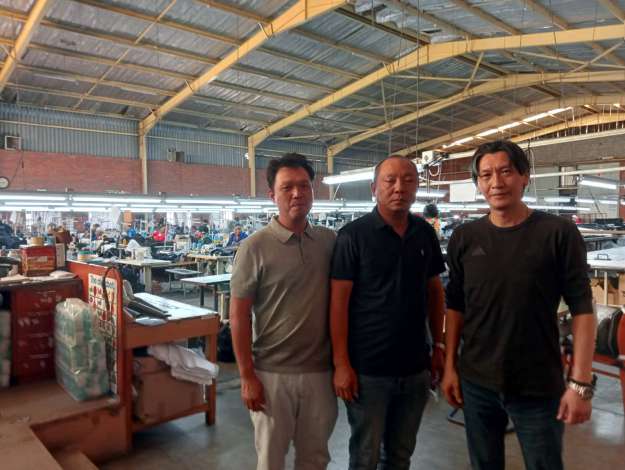
Liu emphasised that the support being sought from the IDC would go beyond survival funding. It would enable factories to upgrade their equipment, employ more staff, and ensure that owners comply with the necessary legal requirements. “The local textile sector and the Municipality share a vision of growth, development, and expansion,” he explained.
This vision is already materialising through two catalytic developments: the R46 million Madadeni Clothing and Textile Hub, a state-of-the-art facility designed to nurture emerging manufacturers, provide access to modern equipment, and create a pipeline of skilled workers; and the R20 million Industrial Economic Hub, a complementary investment aimed at strengthening production capacity, attracting new investors, and supporting job creation.
Moreover, Liu further revealed that Newcastle’s ambition does not end there. “There are plans to potentially establish a facility similar to the Madadeni Clothing and Textile Hub in Newcastle, where there will be factories and shops for Newcastle residents, but this will be more of a private development, and this project is still in the planning phase.” Together, these initiatives represent more than just infrastructure. They demonstrate Newcastle’s commitment to economic diversification, long-term planning, and creating an enabling environment for business.
The impact of this renewed focus is already evident through success stories, such as R and L Apparel, a women-owned company based in Newcastle’s Riverside Industrial Area.
Benefiting from the Retail–Clothing, Textile, Footwear and Leather Master Plan (CTFLGP), run by the Department of Trade, Industry and Competition (DTIC) and administered through the IDC, R and L Apparel received critical financial support in October 2024. This enabled the business to purchase new machinery and secure initial working capital, boosting its Cut, Make, Trim manufacturing capacity.
Managing Director Benjie Solis shared the scale of the change: “The funding enabled us to increase our production capacity, improve product quality, create more jobs, and expand our customer base, which now includes The Foschini Group. We supply them through Celtico, one of the CMT suppliers within the Newcastle clothing industry.”
The numbers tell the story. When R and L Apparel first applied, the company employed just 17 people. By August 2024, the staff complement had grown to 103, with 98 of those positions filled by local women.
“We are also working towards our goal of creating an additional 150 jobs,” Solis explained. “The CTFLGP has been a fantastic initiative for us, and without the funding, we likely would have remained stagnant at 17 workers, as our machinery and working capital were both extremely limited. We were essentially running a hand-to-mouth operation before the funding, and it was the hard work and dedication of our team that kept us going. Now, however, the business is on a positive growth path.”
Looking ahead, R and L Apparel is investing in automated machinery to meet the demands of local retailers who are increasingly sourcing Proudly South African products.
“My company has grown tremendously when looking at the fiscal year ending, through the assistance of the funding. Before the funding, I had 11 suppliers and my company now has 82 suppliers,” Solis added. With its factory firmly rooted in Newcastle, the company has been able to leverage the town’s strategic location, ensuring its products reach markets in Johannesburg and Durban while enabling reinvestment back into the local community.
Furthermore, KwaZulu-Natal plays a pivotal role in South Africa’s clothing and textile economy, accounting for approximately 43% of the country’s formal employment in the clothing, textiles, footwear, and leather sector—close to 70,000 jobs—while contributing 18% of national manufacturing sales.
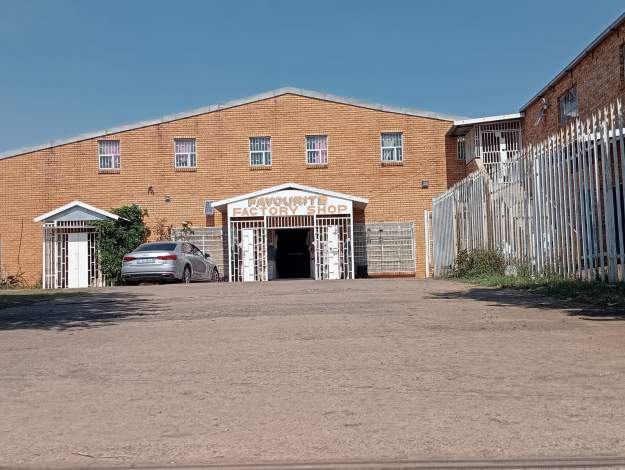
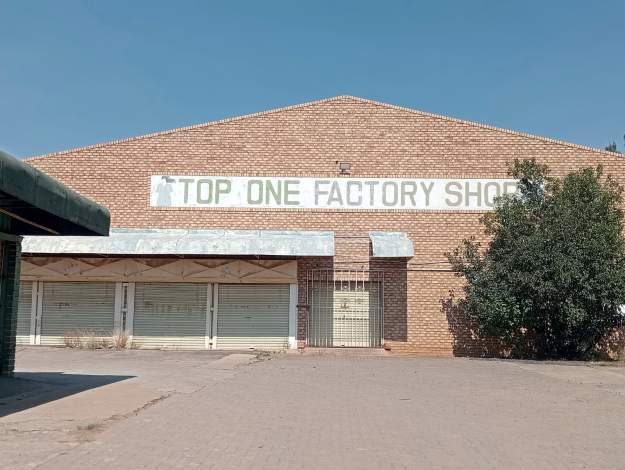
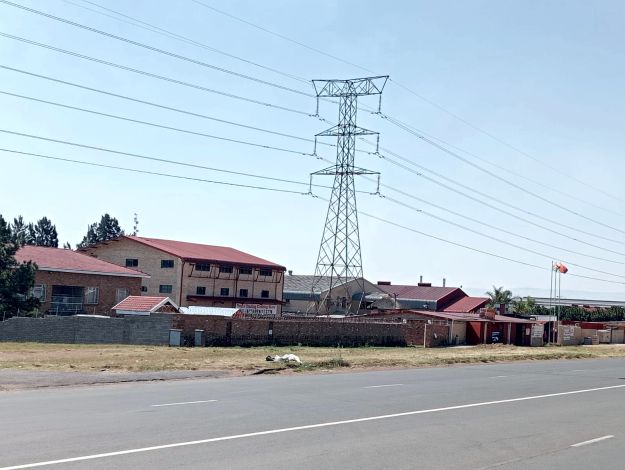
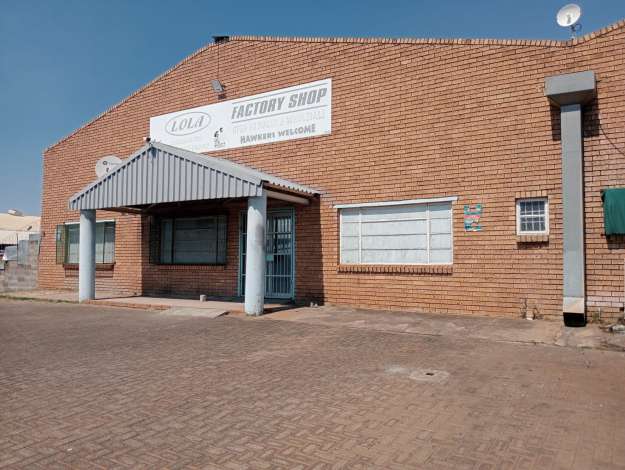
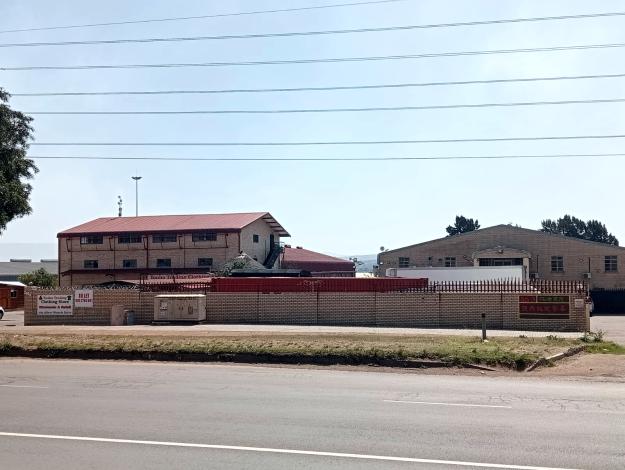
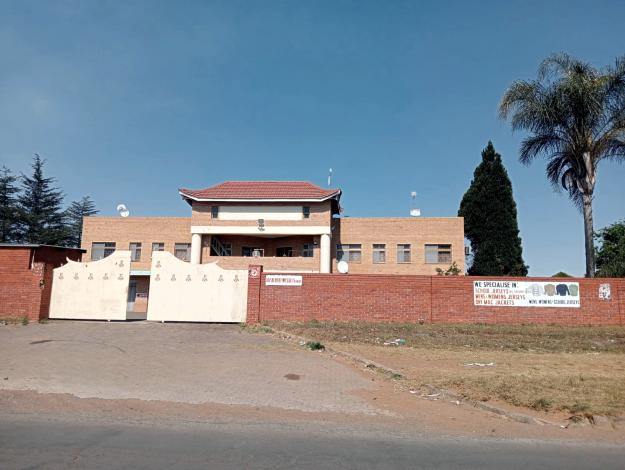
Within this landscape, Newcastle stands out as a vital hub, home to more than 200 textile factories clustered in Riverside and Madadeni.
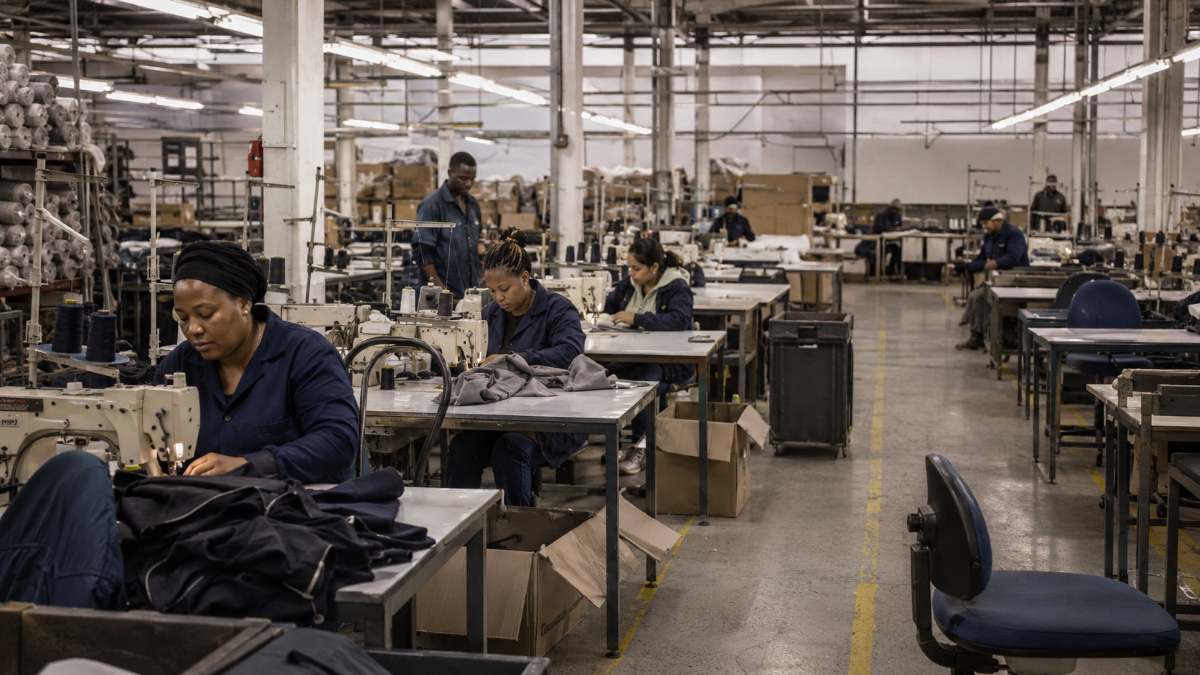
Overall, an estimated 220 factories currently operate in Newcastle, employing between 5,000 and 8,000 locals, with these factories catering for multiple suppliers, from Mr Price to Ackermans.
As Liu noted, “When it comes to the industrial sector, Newcastle is also fortunate to have large companies such as Formosa Plastics, where 2,000 people are employed. Of course, there are also clothing and textile factories, and everyone within these businesses is working on finding ways to collaborate with the Municipality, while innovating methods to grow, expand, and navigate the challenges faced by business owners.”
While Newcastle Municipality focuses on immediate local support and projects, the KwaZulu- Natal Department of Economic Development, Tourism and Environmental Affairs (EDTEA) has been deepening its engagement across the wider Amajuba District. Its initiatives include infrastructure upgrades, investment attraction, and the Clothing and Textiles Competitiveness Programme, which promotes skills development and market access for SMMEs.
These interventions are designed to counter the pressures of illegal imports, supply chain disruptions, and global competition. MEC for the EDTEA, Reverend Musa Zondi observed, “We are rebuilding the economy and creating jobs, while gradually realising our long-held vision of establishing a Clothing and Textile Industrial Hub in the Amajuba District Municipality.”
EDTEA’s provincial strategy for 2025–2030 sets ambitious but realistic goals: the creation of at least 10,000 direct jobs in the sector across KwaZulu-Natal, with Newcastle as a central contributor; the attraction of R500 million in private investments for SMME expansion; the completion of infrastructure upgrades in Madadeni and Riverside by 2027; and a 25% increase in Newcastle’s manufacturing output by 2030. Targets also include enrolling 2,000 workers in skills programmes by 2026, ensuring broad-based participation with a strong focus on youth and women-owned businesses.
This revitalisation, however, is about more than statistics and programmes.
It is about restoring dignity, securing livelihoods, and unlocking opportunities for families across Newcastle. Every job created represents a future secured, every factory modernised represents resilience gained, and every investment attracted represents confidence in the town’s potential. Through local leadership, national support, and provincial strategies, Newcastle is not only rebuilding an industry, it is revitalising hope and positioning itself as a driver of economic renewal for generations to come.
Lastly, the Newcastle Municipality remains committed to creating a conducive environment for job creation, empowering communities, and building an inclusive, resilient economy.
Be sure to read, Building Tomorrow: How Newcastle’s Education Excellence is Powering South Africa’s Future, if you missed it.










2 Responses
This textile industry is far better than the COAL MINING that will only bring disaster to the town.
well done newcastle municipality. durban needs to do something like this to many people leaving