


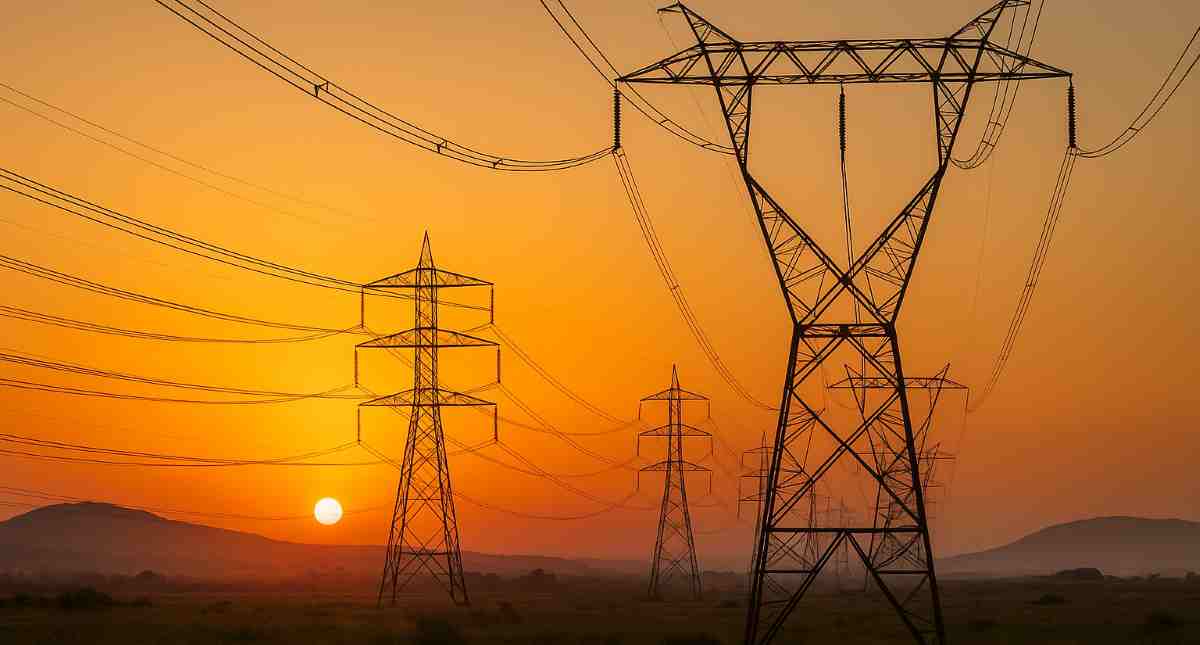
As millions of South Africans struggle with rising municipal bills and electricity tariffs, AfriForum has launched legal action against the National Energy Regulator of South Africa (NERSA). The civil rights organisation wants the public participation process used in approving this year’s municipal electricity tariffs declared invalid, arguing that both transparency and legal obligations have been ignored.

AfriForum contends that NERSA approved tariff hikes without the proper cost studies required by law and failed to allow sufficient time for meaningful public input.
The organisation is seeking an interdict to force the regulator to adopt binding timelines for future tariff applications and participation processes.
A Repeat of Past Failures
This is not AfriForum’s first clash with NERSA. In June 2024, the Gauteng High Court ruled in AfriForum’s favour, declaring NERSA’s earlier approval of municipal tariff increases without cost studies unlawful and invalid. Despite this precedent, AfriForum claims NERSA followed the same flawed process in 2025.
Morné Mostert, AfriForum’s Head of Local Government Affairs, said:
“The public was denied a fair opportunity to express their views. The deadline for municipalities to submit applications was extended several times, yet the time given to the public to comment was not adjusted accordingly. In some cases, tariff increases appeared to be approved before the public comment period had even closed.”
Timeline of the Disputed Process
- 26 March 2025 – NERSA instructed municipalities to submit tariff applications by 30 April, insisting that no increases would be approved without cost studies.
- 25 April 2025 onwards – NERSA began announcing which applications had been received.
- 9 May 2025 – NERSA reported receiving 130 applications, all allegedly supported by cost studies.
- May 2025 – AfriForum’s investigation revealed that only three municipalities submitted full cost studies, while 127 provided incomplete or superficial data.
- June 2025 – NERSA approved all applications during meetings held on 5, 9, 12, 18 and 20 June, with the tariffs set to take effect on 1 July.
Furthermore, AfriForum argues this sequence shows a rushed and irregular process that undermined both public participation and municipal accountability.
Legal Grounds for the Challenge
AfriForum’s court papers demand that:
- NERSA’s 2025 tariff approval process be declared invalid.
- Future applications and cost studies be published on time.
- Municipalities be required to notify residents of tariff applications and participation opportunities.
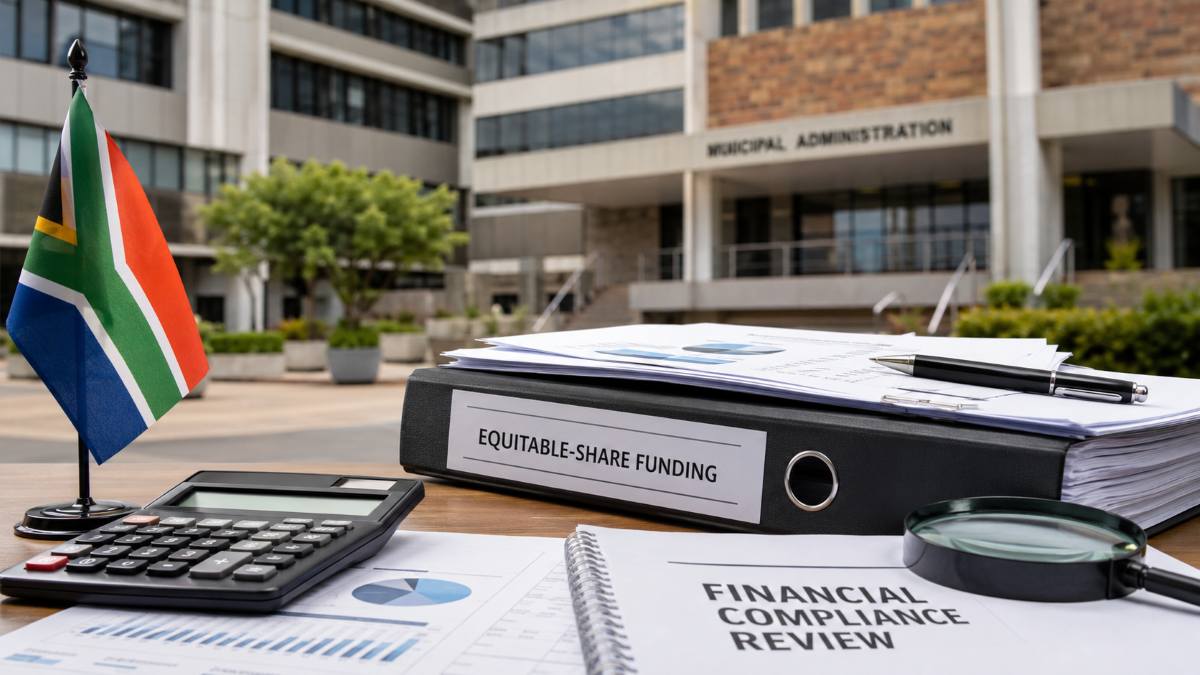
The organisation also highlights a breach of the Municipal Financial Management Act 56 of 2003, which obliges municipalities to table budgets 90 days before a new financial year. NERSA’s late process, beginning only on 26 March, meant that many councils were forced to table budgets without knowing what tariffs would ultimately be approved.
What a Court Victory Could Mean
If successful, AfriForum’s case could fundamentally change how electricity tariffs are approved in South Africa. A ruling in its favour would:
- Compel NERSA to enforce stricter timelines and procedures.
- Ensure cost studies accompany every tariff application.
- Strengthen the role of public participation in decision-making.
- Increase financial transparency for municipalities and residents.
Such a precedent would reinforce accountability in the energy sector, curb unchecked tariff increases, and restore some measure of public trust. For households already under financial pressure, this could provide much-needed certainty about how future tariffs are calculated and approved.

What are your thoughts on this? Let us know below
FAQs: AfriForum vs NERSA Municipal Tariffs
AfriForum argues that NERSA approved municipal electricity tariff increases without proper cost studies and without giving the public enough time to participate in the consultation process. The organisation wants the court to declare the process invalid and enforce stricter timelines.
The Municipal Financial Management Act 56 of 2003 requires municipalities to table their budgets at least 90 days before a new financial year begins. AfriForum claims NERSA’s late tariff application process makes compliance with this law nearly impossible.
Yes. In June 2024, AfriForum secured a High Court ruling that NERSA’s approval of electricity tariff increases without cost studies was unlawful and invalid. The current case argues that NERSA repeated the same mistakes in 2025.
If AfriForum succeeds, municipalities would have to notify residents about tariff applications, provide full cost studies, and allow more time for public comment. This could make the process more transparent and prevent sudden, unexplained tariff hikes.
A ruling in AfriForum’s favour could set a precedent that forces regulators and municipalities to follow proper procedures, ensuring accountability, transparency, and stronger public participation in tariff decisions.
Be sure to read, Newcastle CPF Murder Trial: Witness Testimony Unravels, if you missed it.










One Response
Thankyou Afri Foram