


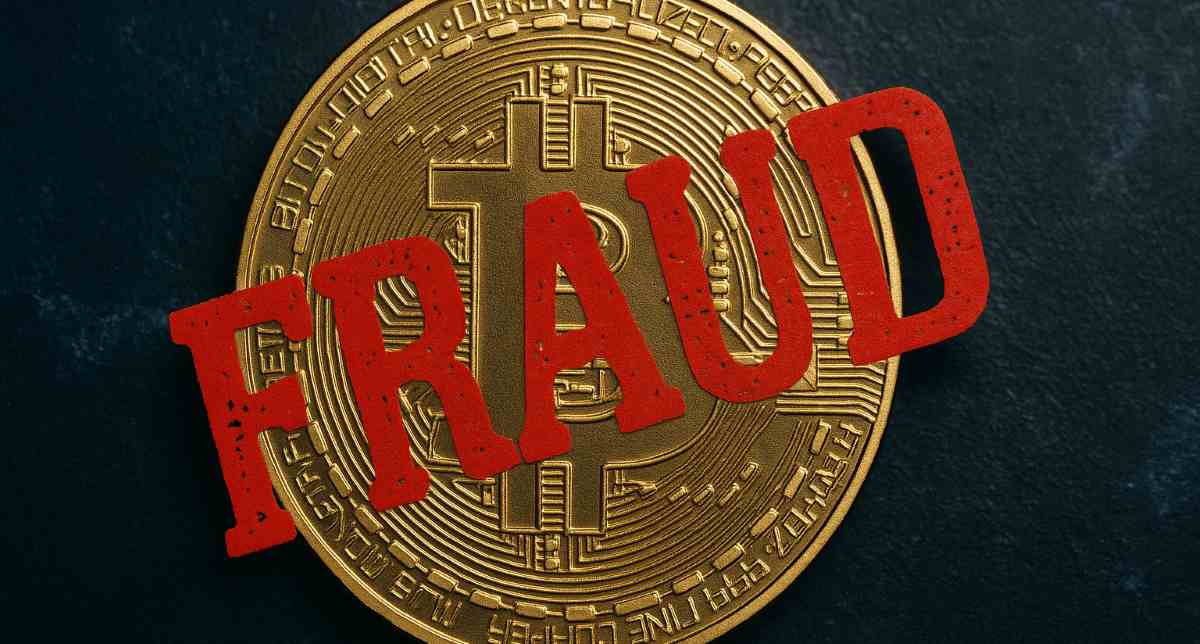
In a significant breakthrough, a 74-year-old man and his 47-year-old son were arrested in Roodepoort on Tuesday, 12 August 2025, in connection with a R16 million Bitcoin-related fraud case.

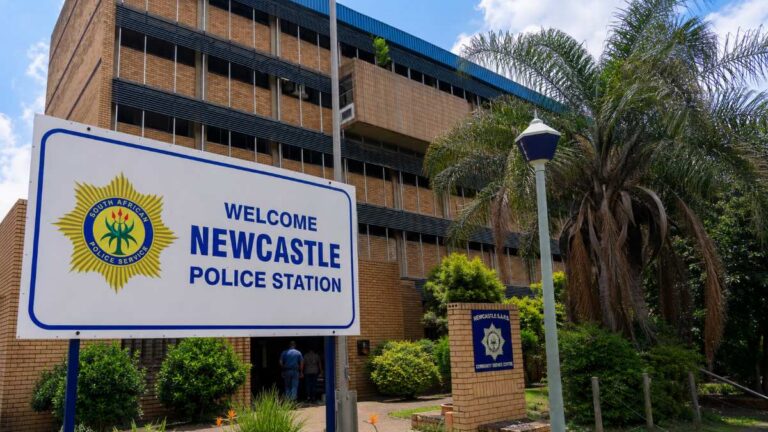
Newcastle SAPS spokesperson Lizzy Arumugam confirmed that the arrests were made with the assistance of the Johannesburg K9 Unit and the DPC Tracing Team.
The operation was led by Warrant Officer Henning De Meyer under the command of Lieutenant Colonel JJ Oberholzer. Arumugam explained that the suspects allegedly enticed their victims by promising substantial returns through Bitcoin and cryptocurrency investments. “According to authorities, the duo convinced the victims to deposit large sums of money into specified bank accounts, under the impression they were purchasing Bitcoin. After multiple payments were made, the victims received no returns, and the suspects cut off all communication when demands for refunds were raised,” she said.
Following formal complaints, police cases were opened, prompting a comprehensive investigation by the Newcastle SAPS. Financial records reviewed during the inquiry showed that the victims’ funds had been traced to the suspects’ accounts across three separate banks, with support from the South African Banking Risk Information Centre (SABRIC).
“Armed with compelling evidence, W/O De Meyer secured J50 Warrants of Arrest, which resulted in the suspects’ apprehension in Roodepoort. Several electronic devices were also seized during the operation and are now undergoing forensic analysis to uncover further evidence,” Arumugam added, underlining the methodical nature of the investigation.
The suspects appeared in the Newcastle Regional Court on Thursday, 14 August 2025, where they were formally charged with fraud.
The matter has been remanded, and a future court date will be confirmed. Authorities are continuing their investigations, as there is reason to believe the suspects may be linked to additional fraudulent schemes. “Authorities suspect the pair may be involved in further cases, and investigations are ongoing to identify other potential victims,” Arumugam noted.
Amajuba District Commissioner, Major General Alexander, praised the investigative team for their professionalism and commitment. “The dedication of W/O De Meyer, Lt Col Oberholzer, and their colleagues has brought justice closer for the victims and sends a strong warning to fraudsters,” he said.
This case highlights the alarming rise of cryptocurrency scams in South Africa, driven by growing interest in digital currencies like Bitcoin and a general lack of public awareness around safe investment practices and platforms. The South African Reserve Bank (SARB) has warned that criminals often exploit the decentralised nature of cryptocurrencies, luring victims with promises of high returns before disappearing with their funds.
In 2024, the Financial Sector Conduct Authority (FSCA) received more than 1,000 fraud complaints linked to cryptocurrency, with total losses in South Africa reaching tens of millions of rands.
Globally, losses exceeded R70 billion, according to data from Chainalysis. These scams typically involve Ponzi schemes, fake investment platforms, and phishing attacks that use cloned websites and high-pressure sales tactics to manipulate victims.
To avoid falling victim to such schemes, the FSCA urges the public to verify investment platforms, avoid disclosing personal or financial details, and consult with certified financial advisors, as outlined in its consumer protection guidelines. Additionally, South Africa’s regulatory framework is evolving to better manage cryptocurrency crimes, with the FSCA and SARB working toward stricter oversight of digital asset exchanges, as noted in their 2021 consultation paper.
Crypto fraud is also part of a broader trend of rising cybercrime in the country—including phishing, ransomware, and identity theft—according to the SAPS Cybercrime Unit. In 2024 alone, the FSCA investigated 30 unlicensed crypto providers, underscoring the scale of the threat.
Nevertheless, the Newcastle SAPS urges any individuals who believe they may have been defrauded to report the matter at their local police station or to the FSCA’s fraud hotline. Timely reporting enables law enforcement to trace transactions through blockchain analysis, identify more victims, and build stronger legal cases against perpetrators—ultimately strengthening efforts to dismantle criminal networks and protect the public.

In conclusion, this case serves as a reminder of the risks tied to not going through reputable digital currency investment platform. As interest in cryptocurrency grows, so too must public education, regulatory enforcement, and coordinated responses from law enforcement.
Leave your thoughts below on this?
Be sure to read, From Ladysmith to Durban: Zero Tolerance in Force as 77 Arrested for Drunk Driving, if you missed it.












One Response
Oh the irony….
14300 people scammed , reported to nn police station, was told go home and print evidence they do not take electronic copies.
Reported it to Hawks , they rekoned not their mandate. Reported to interpol pretoria, the captain rekons send evidence over whatsapp and he will call me back, ghosted.
Thing I’ve realized, they scam people here because the police force is worthless. Skelms all the way through.