


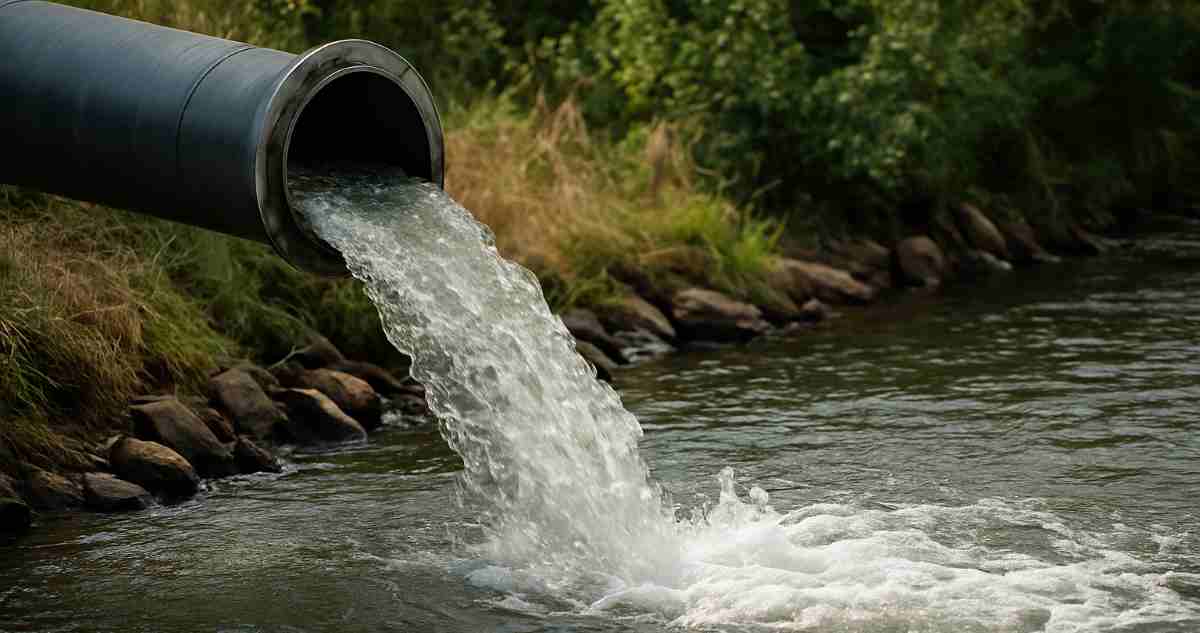
KwaZulu-Natal’s drinking water has reached a tipping point, with recent assessments uncovering serious quality failures, neglected infrastructure, and widespread non-compliance in municipal supply systems. Data from the Blue Drop Report and the SAHRC KZN Water Inquiry shows that many towns are relying on water networks classed as poor or critical, placing residents at risk.
In light of these findings, the Portfolio Committee of the KwaZulu-Natal Department of Cooperative Governance and Traditional Affairs (CoGTA) has moved to work directly with the department to tackle the underlying problems and push for measurable improvements in water safety across the province.

The 2023 Blue Drop Report examined 172 water supply systems in KwaZulu-Natal, finding that only three were Blue Drop certified.
In contrast, 34 systems were rated as poor and 21 were in a critical state. These results highlight widespread risks to public health. Committee chairperson Marlaine Nair stressed the severity of the matter, stating: “The matter required an urgent response.” She confirmed that CoGTA would prioritise discussions with the department to ensure water quality remains a top priority.
CoGTA spokesperson Senzelwe Mzila acknowledged challenges including aging infrastructure and budget constraints, stating that the department is committed to implementing the report’s recommendations to improve access and quality standards.
However, time will tell if these commitments come to fruition.
Blue Drop Report Findings
The Blue Drop Report assessed infrastructure condition, maintenance, operations, treatment processes, monitoring, controls, and staff qualifications. Only the following systems achieved scores above 95%, earning Blue Drop Certification:
- uMngeni-uThukela’s uMgungundlovu
- Msunduzi’s Umsunduzi
- iLembe’s Dolphin Coast Ballito
These systems serve areas such as Pietermaritzburg and Ballito and are seen as examples of operational excellence.
For the majority of the province, however, the picture is far less positive. Microbiological and chemical non-compliance pose potential health risks, and KwaZulu-Natal also has the highest non-revenue water (NRW) rate in South Africa at 60.5%, caused by leaks, illegal connections, poor metering, and billing issues.
Right, but what about on a local front?
In Newcastle Local Municipality (Amajuba District), the overall score dropped to 84.35%, still in the “good” category but showing a decline.
The Durnacol water supply system scored only 49%, placing it in the “poor” category and failing to meet SANS 241:2015 chemical compliance standards. This points to dysfunctional infrastructure and heightened health risks for residents.
District-Level Concerns
- uThukela District Municipality – Covering Ladysmith, Bergville, Estcourt, and surrounding towns, uThukela was flagged in the SAHRC KZN Water Inquiry Report for systemic failures, lack of maintenance, and possible corruption.
- Amajuba District Municipality – Includes Newcastle, Dannhauser, and Utrecht; linked to unresolved water complaints and infrastructure neglect.
- uMzinyathi District Municipality – Covers Dundee, Glencoe, Greytown, and others; criticised by SAHRC for failing to provide water service details, suggesting rights violations.
- Zululand District Municipality – Serving towns like Vryheid, Pongola, and Nongoma, the district faces rural infrastructure challenges, corruption allegations, and maintenance budget shortages.
Now, let us get into the wastewater treatment risks
The Green Drop Progress Assessment Report reviewed 867 wastewater treatment works (WWTWs) nationwide, with 64% at high or critical risk of discharging inadequately treated water. In KZN, this threatens rivers such as the uMngeni and uThukela, impacting both public health and ecosystems.
Newcastle’s wastewater treatment score declined into the “average” category but remains high-risk, with the Ncandu River showing contamination likely linked to inadequate treatment. Similar risks exist in uThukela, Amajuba, uMzinyathi, and Zululand districts.
Furthermore, the Department of Water and Sanitation (DWS) has issued non-compliance notices to municipalities with poor or critical systems, requiring public health risk warnings and corrective action plans. However, implementation has been slow.
The proposed Water Services Amendment Bill seeks to enforce accountability via a compulsory operating licence system, but corruption, staffing shortages, and insufficient maintenance budgets remain major obstacles.
Nevertheless, residents can verify their water quality via municipal reports or the DWS Integrated Regulatory Information System by clicking here.
Now, let’s look at AfriForum’s Nationwide Testing Project and its findings on the subject.
AfriForum launched its Blue and Green Drop project under the #CleanWater initiative to test municipal drinking water and treated sewage quality in about 160 towns.
Marais de Vaal, AfriForum’s Environmental Affairs advisor, explained: “If our tests indicate that the prescribed standards are not met, AfriForum will ensure that communities are immediately informed of any dangers and urge the relevant municipality to resolve the issues as quickly as possible.”
AfriForum also warned: “Because our rivers are polluted with raw or partially treated sewage, ideal conditions are created for the spread of waterborne diseases such as cholera.”
They report that 46% of South African drinking water fails microbiological safety standards and 67.6% of sewage treatment plants are high or critical risk.
This is deeply concerning.

So what is the path forward for KwaZulu-Natal, as this is not a small problem?
Addressing these challenges requires:
- Upgrading infrastructure and expanding maintenance budgets.
- Strengthening governance and enforcing compliance.
- Transparent reporting and Modernising infrastructure, and securing sufficient maintenance funding to prevent system failures.
- Improving governance by holding municipalities accountable and strictly enforcing water quality standards.
- Ensuring transparency through regular, publicly accessible water quality reports and swift implementation of corrective measures.
- Empowering communities via initiatives like AfriForum’s testing, enabling residents to monitor water safety and demand action.
- By combining decisive government intervention, strong oversight, and active public participation, KwaZulu-Natal can move towards a future where every resident has access to clean, safe, and dependable drinking water.d rapid corrective actions.
- Community engagement through initiatives like AfriForum’s testing.
As mentioned before, only time will show if these plans become reality. The lack of earlier intervention raises doubts about how quickly things can improve, but there’s still reason to be hopeful.
Plans include upgrading infrastructure, securing maintenance budgets, enforcing strict water quality standards, publishing transparent reports, and supporting community monitoring initiatives like AfriForum’s testing.
Many systems suffer from aging equipment and inadequate maintenance, which can compromise water quality. Upgrading infrastructure helps prevent breakdowns, reduce contamination risks, and ensure consistent water supply.
Residents can take part in initiatives such as AfriForum’s water testing, report issues to local authorities, and use public water reports to hold municipalities accountable.
Publicly available water quality reports help residents make informed decisions, increase trust in municipal services, and ensure swift action when standards are not met.
Be sure to read, Changes to School Class Sizes and Admissions Under BELA Act—Have Your Say, if you missed it.






One Response
A new government who is not after just to take money