

As the July school holidays unfold, KwaZulu-Natal is witnessing an exciting boost in tourism, with the KwaZulu-Natal Tourism and Film Authority (KZNTAFA) anticipating a 12–15% increase in domestic arrivals. The province is expected to see a significant R500 million in tourism-related contributions this July, with more than 70,000 visitors flocking to key events and attractions. For many, the heart of this tourism surge lies in Dundee, where a massive cultural event is set to draw over 25,000 visitors, underscoring the growing importance of community-driven tourism.

According to Sibusiso Gumbi, Interim CEO of KZNTAFA, the KwaZulu-Natal is experiencing an unprecedented interest in its winter offerings.
“From adventure enthusiasts to culture lovers, our diverse calendar ensures that there’s something for everyone. We are not just known for our incredible natural landscapes but are quickly becoming a sought-after destination for film production as well,” Gumbi shared.
Among the events drawing crowds is the Durban Super Giants vs. Paarl Royals cricket match at Kingsmead Stadium on 15 July 2025, which promises to be a highlight for sports fans. Coupled with the Hollywoodbets Durban July earlier this month, KZN’s sporting and entertainment offerings continue to shine brightly. The upcoming Vodacom Durban International Marathon on 20 July 2025, which expects over 15,000 participants, will further bolster this wave of excitement.
Cultural tourism remains a cornerstone of KZN’s appeal. The Dundee event stands out as a prime example of how the province is using cultural celebrations to drive economic development. The event’s anticipated influx of visitors will not only showcase KZN’s rich heritage but also empower local businesses, creating long-term opportunities for the community.
“This is a shining example of how cultural tourism can foster local economic growth while preserving our heritage,” Gumbi emphasised.
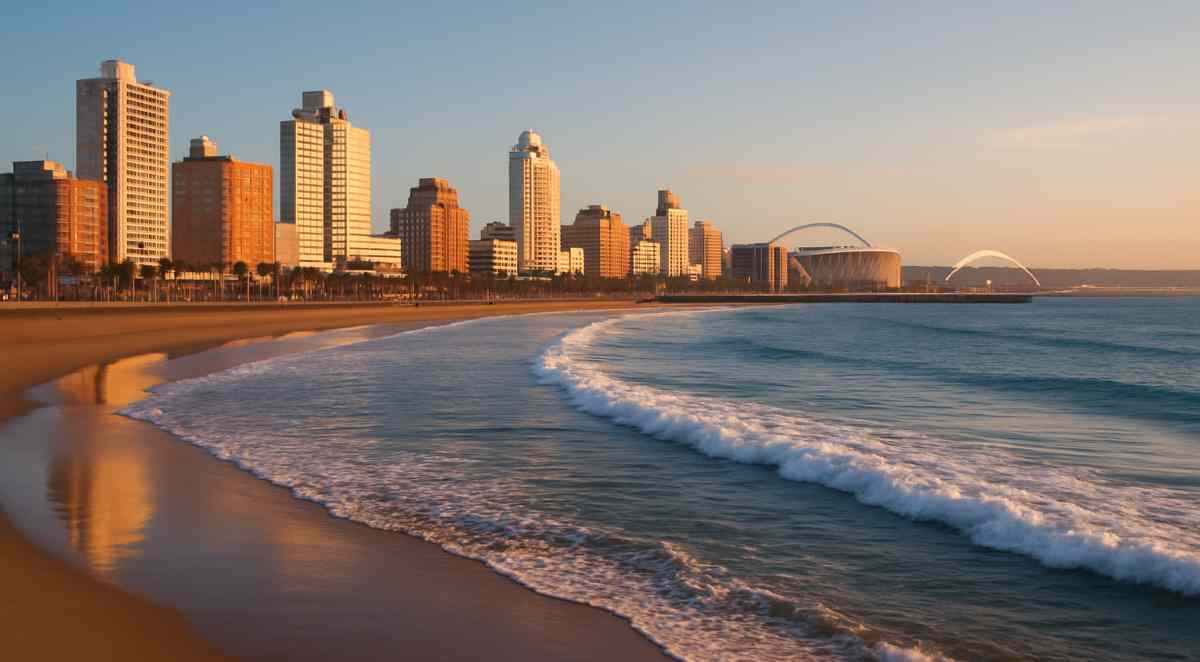
While events dominate the winter tourism season, KZN’s stunning landscapes continue to captivate visitors. The Drakensberg region has seen a significant rise in bookings for hiking, birdwatching, and wellness retreats. Coastal destinations like Umhlanga and Ballito are also thriving, with resorts reporting near-full occupancy during the holidays.
Additionally, KZN’s growing reputation as a film production hub is contributing to its global appeal. Recent high-profile Hollywood productions filmed in Durban and the Drakensberg have highlighted the province’s diverse settings, offering yet another reason for tourists to visit. “Our film industry is not only creating jobs but also offering a new avenue for tourism through ‘set-jetting,’ where visitors travel to see filming locations,” said Gumbi.
KZN’s tourism outlook for the remainder of 2025 is bright, with the R500 million expected this July contributing to the province’s broader economic success. Tourism remains a key player in job creation, small business development, and foreign exchange earnings. However, to sustain this growth, there are several crucial steps that need to be taken.
While tourism is thriving, there are pressing challenges to address. Over-tourism, particularly in popular areas like Umhlanga, has led to overcrowding at beaches and increased pressure on local resources. In the Drakensberg, hiking trails are feeling the strain of increased foot traffic, and Ballito’s coastline is being eroded by the surge in visitors.
To mitigate these issues, KZNTAFA stated that it is focusing on sustainable tourism practices, such as waste management programs and partnerships with environmental organisations.
Efforts are also underway to equip rural communities, such as those near Dundee, with the tools and infrastructure needed to thrive in the tourism economy.
“Community initiatives like the Dundee event show how local economies can flourish through tourism, but broader efforts are needed to ensure that these benefits reach everyone,” Gumbi added.
Looking ahead, KwaZulu-Natal has the opportunity to become a global leader in tourism by leveraging its unique mix of natural beauty, cultural heritage, and cinematic appeal. Strategic partnerships, enhanced marketing, and sustainable development will be key to ensuring the province remains a top choice for year-round tourism.
Proactive investment in infrastructure, including better road access to the Drakensberg and eco-friendly accommodations in Umhlanga, will further enhance the visitor experience.
The growth of the film industry also offers exciting possibilities for “set-jetting” tourism, allowing visitors to explore the locations featured in recent Hollywood productions.
KZN’s tourism industry is growing at a remarkable pace, with strong performances in both cultural and sporting events. However, to maintain its competitive edge and deliver long-term benefits for its residents, the province must focus on sustainable growth, preserving its environment, and ensuring that all communities share in the economic prosperity.

What are your thoughts on KwaZulu-Natal’s tourism growth? How can we balance development with sustainability? Share your views in the comments below.