


KwaZulu-Natal is grappling with an escalating air pollution problem, worsened by the complete breakdown of its air quality monitoring infrastructure. The provincial government has confirmed that all six air quality monitoring stations are currently non-operational, with repairs for some sites postponed until at least 2026.

Click here or tap the image
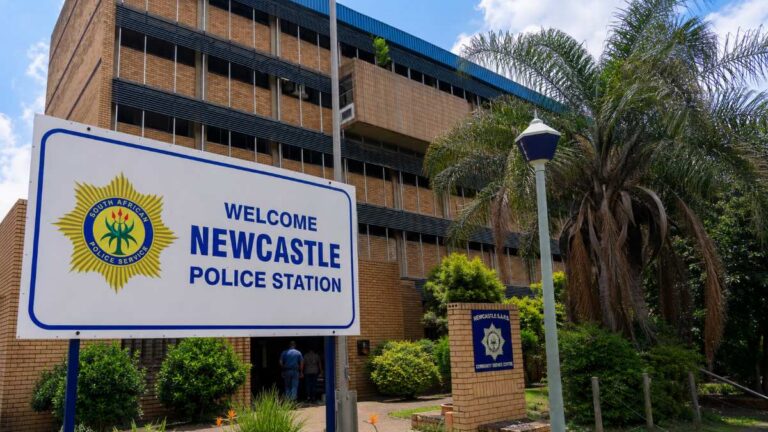
Communities in towns such as Newcastle, Stanger, and Port Shepstone—already burdened by visible pollution and widespread health concerns—remain entirely unmonitored.
Most alarmingly, the absence of health impact studies leaves millions of residents vulnerable, with no data, no accountability, and no immediate strategy to safeguard public health.
Hannah Lidgett, the KwaZulu-Natal Democratic Alliance (DA) spokesperson on Environmental Affairs, addressed the issue, highlighting responses to parliamentary questions submitted by the DA to the KwaZulu-Natal Department of Economic Development, Tourism and Environmental Affairs (EDTEA).
“It has been revealed that none of the 6 air-quality monitoring stations under the province are operational, and remedial action will only be undertaken on 3 stations in the next financial year,” Lidgett stated.
She further underscored the severity of the department’s admission that no data exists on the health impacts of poor air quality on local communities, attributing this failure to the negligence of the previous administration. “What is particularly disturbing is that many communities across KZN are at the brunt of poor air quality and report significant health impacts. It is deeply concerning that former governments did not address the issue,” Lidgett emphasised.
According to EDTEA’s response, the province’s air quality monitoring stations are located in Newcastle (Amcor Dam), iLembe (Stanger), King Cetshwayo (KZN Agriculture Extension Office), Ugu (Marburg Secondary School), Umgungundlovu (Northdale Hospital), and uThukela (Drakensberg Secondary School).
When operational, data from these stations are accessible via the South African Air Quality Information System (SAAQIS) website.
When queried about the specific challenges hindering the functionality of these stations, EDTEA outlined the following issues:
- Newcastle: Insufficient operational budget to maintain the Air Quality Station.
- Stanger: Insufficient operational budget to maintain the Air Quality Station.
- Ngwelezane: Instruments require repairs, but no budget is available.
- Port Shepstone: Instruments require repairs, but no budget is available.
- Pietermaritzburg: Instruments require repairs, but no budget is available.
- Estcourt: Instruments require repairs, but no budget is available.
Regarding timelines for restoring functionality, EDTEA clarified that the stations in Newcastle, iLembe, and Ugu are expected to resume operations within one year, with funding allocated for the 2025/26 financial year.
However, the Umgungundlovu and uThukela stations are projected to be operational only in the 2026/27 financial year. Stations in Umzinyathi, Umkhanyakude, King Cetshwayo, Harry Gwala, and Zululand are scheduled for operationalisation in phased stages from 2026/27 to 2028/29.
In response to DA inquiries about systems used to collect and analyse air quality data, EDTEA noted that it relies on the South African Air Quality Information System (SAAQIS) and its associated reports.
Furthermore, the department added that this data is publicly accessible via the SAAQIS website at https://saaqis.environment.gov.za/, with a mobile application available on the Play Store. “Raw data can be made available upon provision of timeframes for which the data is requested as well as the parameters of interest,” noted the EDTEA.
When questioned about assessing health risks in areas with non-operational stations, particularly in industrial pollution hotspots, EDTEA admitted that no such assessments have been conducted. “The assessments are part of the activities in the recently approved Air Quality Management Plan (KZN AQMP, 2024),” the department stated. It further acknowledged that no recent human health risk assessments or studies correlating air pollution with public health outcomes have been commissioned in KwaZulu-Natal.
Additionally, Lidgett condemned the department’s failure to commission health impact studies, calling it a breach of their constitutional duty to ensure a safe and healthy environment. “This historical neglect is in direct contradiction to their constitutional duty to ensure a safe and healthy environment for all residents of KZN. Instead, EDTEA stated that health impact assessments form part of future activities under the recently approved Air Quality Management Plan (AQMP),” she said.
Lidgett further criticised the provincial government’s lack of awareness about the extent of harm caused by air pollution and its prolonged delays in implementing effective interventions.
“Without data, there can be no accountability—and without accountability, communities will continue to suffer needlessly,” Lidgett asserted.
In response, the DA has urged EDTEA to implement the following measures urgently:
- Expedite repairs and recommissioning of the three air quality monitoring stations earmarked for remediation in the current financial year.
- Immediately implement the KwaZulu-Natal Air Quality Management Plan (AQMP), approved in 2024, with a transparent timeline and measurable deliverables.
- Initiate interim community-level air quality assessments using mobile monitoring units.
- Promptly commence health risk studies in known pollution hotspots.
- Prioritise emergency repairs and recommissioning of existing stations in the 2024/25 adjustment budget.

For the people of KwaZulu-Natal, the lack of operational monitoring stations and health impact studies reflects a troubling disconnect between governmental responsibility and community needs. Without action, prolonged delays in restoring monitoring infrastructure and conducting health assessments will continue to erode public trust and exacerbate health disparities, particularly in underserved areas.
Nevertheless, with the above in mind, what are your thoughts? Be sure to share your views in the comment section below.