


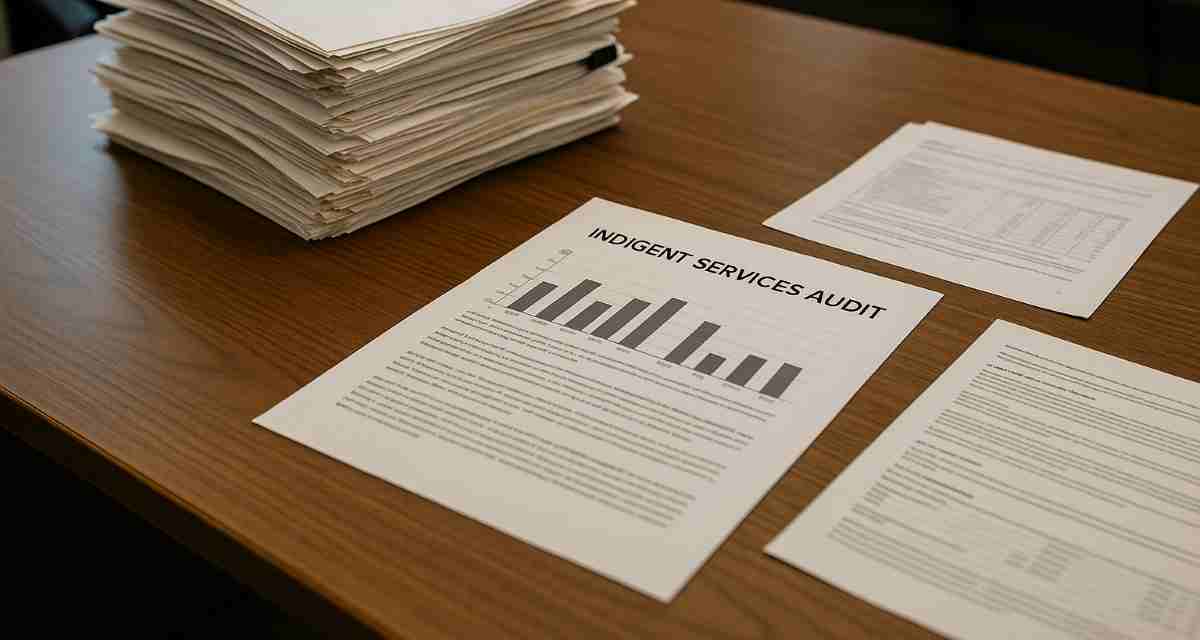
The Alfred Duma Local Municipality in Ladysmith has come under criticism for its inadequate management of indigent households, a situation highlighted in the latest findings by Auditor-General of South Africa, Tsakani Maluleke. The report exposes systemic weaknesses that not only impact the municipality’s financial health but also directly affect its most vulnerable residents.

A significant concern raised in Maluleke’s report pertains to the municipality’s failure to regularly monitor its indigent household database.
“Alfred Duma Local Municipality (KwaZulu-Natal) did not regularly monitor its indigent household database and provided free basic electricity worth an estimated R5,45 million to consumers that had not been approved,” Auditor-General Maluleke stated.
According to the Auditor General, this lapse in oversight led to substantial financial losses, as unapproved consumers benefited from services intended for genuinely indigent households. While Maluleke noted that the municipality was notified in January 2023 and has since resolved the matter, concluding the vetting of indigent applications in January 2024, the initial mismanagement underscores a critical systemic flaw.
The challenges at Alfred Duma Local Municipality are symptomatic of broader issues in municipal revenue management across the country. Auditor-General Maluleke elaborated on the multi-faceted problem, stating: “The problem with revenue management in local government is three-fold: Revenue is lost through water and electricity distribution losses. Consumers are not billed, or receive free basic services to which they are not entitled. Debt is not collected.”
These revenue losses stem from various factors, including both technical and non-technical issues. Technical losses, such as damaged infrastructure and energy loss due to transmission distances, are exacerbated by “ageing and poorly maintained infrastructure.” Non-technical losses, on the other hand, include “theft, incorrect billing or non-billing of consumers.”
Furthermore, Maluleke’s audit for 2023-24 continued to shine a light on the mismanagement of free basic services to indigent households.
The report revealed alarming instances where free services were provided to individuals who no longer met the eligibility criteria. “Some municipalities provided free services to households that did not meet, or no longer met, the indigent criteria as set by the municipality,” Auditor-General Maluleke reported.
The specific findings included:
- “the registered indigent person was deceased – services to the value of R143,88 million at 62 municipalities (28%)”
- “the registered indigent person and/or their spouse(s) was employed by the state or had an interest in business with government – services to the value of R7,74 million at 54 municipalities (25%).”
Overall, a concerning 48% of municipalities lacked adequate internal control systems to manage indigent households. While Auditor-General Maluleke has engaged with accounting officers, and some issues have been resolved, the persistent weaknesses highlight a significant hurdle in delivering essential services effectively and equitably.
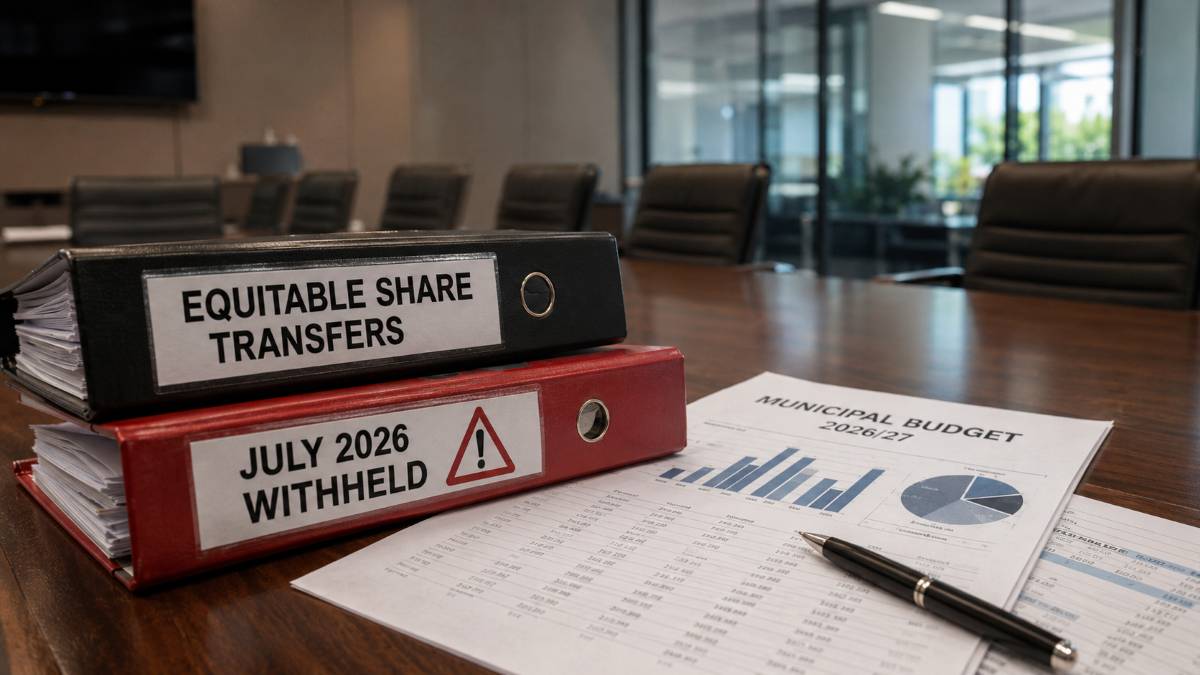
Further compounding the problem is the inefficient utilisation of the equitable share allocation from the National Treasury, which is intended to fund free basic services for indigent households.
“The National Treasury determines the basic services component of the equitable share allocation by estimating the number of poor households in the area based on information from the Statistics South Africa census. However, municipal budgets are based on only the number of registered indigent households, which results in significant differences in the amounts received and paid out.”
In 2023-24, a staggering 42% of the 10,777,241 indigent households identified by the National Treasury were not registered with municipalities, leading to a significant under-budgeting for their needs. As a result, only 40% of the total R68.05 billion allocated by the National Treasury was actually budgeted by municipalities for free basic services.
Adding to the woes, 17% of municipalities did not have proper processes to inform community members about how to apply for indigent status, and 10% of indigent registers were not updated annually. These administrative failures directly impede vulnerable households from accessing the vital services they are entitled to.
The report also touched upon the broader challenge of debt collection, a “longstanding trend that has worsened with the continuing economic downturn.” On average, municipalities anticipated recovering only 32% of their 2023-24 revenue, indicating a significant shortfall between billed services and actual cash in hand.
The findings from Auditor-General Tsakani Maluleke serve as a critical call to action for the Alfred Duma Local Municipality and other local governments. It is imperative that they strengthen their financial management, enhance internal controls, and prioritise the effective and ethical delivery of services to indigent households.
This includes establishing robust systems for vetting, monitoring, and updating indigent registers, as well as ensuring that allocated funds are accurately budgeted and utilised for their intended purpose.

Addressing these issues is paramount to ensuring the municipality’s financial stability and, more importantly, to improving the lives of the most vulnerable in the community. Without decisive action, the cycle of mismanagement and financial distress will continue to negatively impact essential service delivery and undermine public trust.
What are your thoughts on the above? Share your views in the comment section below.








3 Responses
Do these thieves have carte blanch permission from Govt to steal and plunder our tax monies? Is there no consequences for this blatant illegal theft ???
And face it no one will be hold acountable for it
Amongst all of the wasteful expenditure happening. The water crisis in Ezakheni, a township under the Alfred Duma municipality constantly suffers weeks without adequate water flowing.