

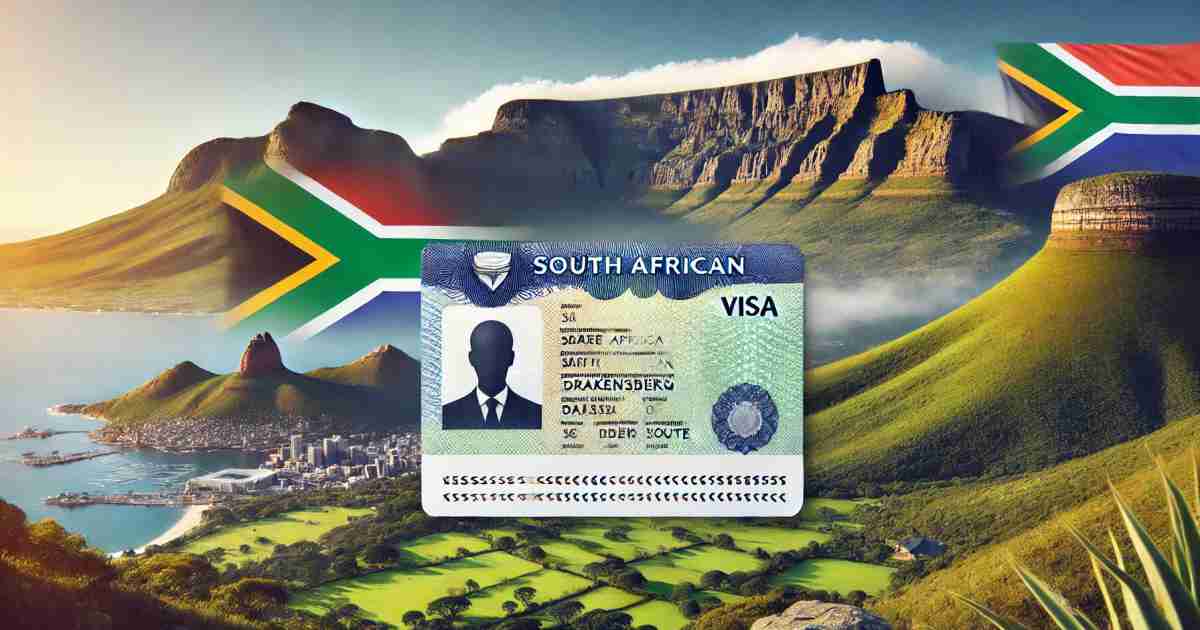
South Africa, known for its rich diversity, stunning landscapes, and burgeoning economic sectors, has been actively refining its immigration policies to attract global talent, stimulate tourism, and manage societal integration. This dynamic nation, situated at the southern tip of the African continent, is not only a gateway to breathtaking natural wonders like Table Mountain and the vast savannahs of Kruger National Park but also hosts a vibrant cultural mosaic shaped by its 11 official languages and a history of resilience and transformation.
With an economy that shows promise in sectors like mining, manufacturing, and technology, South Africa is keen on drawing in skilled professionals and investors to fuel further growth.

The government’s recent focus on immigration reform aims to simplify the process for those wishing to contribute to or explore South Africa’s unique offerings.
This article delves deep into the current visa system, illuminates the latest policy changes designed to make South Africa more accessible to the world, and provides practical advice for anyone contemplating a move or work stint in this vibrant country. Whether you’re drawn by the allure of its natural beauty, the opportunity for economic advancement, or the prospect of integrating into one of Africa’s most dynamic societies, understanding the intricacies of its immigration policies is key to a successful transition.
Note: Please be aware that while this article aims to cover the most recent updates for 2025, immigration policies can evolve. Always check the latest from the South African Department of Home Affairs or consult with immigration experts for the most current information.
Nevertheless, this approach ensures readers understand the context of the information while being advised to verify the most recent details.
Understanding South African Visas:
South Africa offers various visa categories tailored to different immigration purposes:
- Visitor’s Visa: For tourism, short business visits, or family reunions, with durations ranging from days to a few months. Learn more about applying for a visa.
- Student Visa: For international students accepted into South African educational institutions. Check requirements for study visas.
- Work Visas: Including:
- General Work Visa: Requires proof that no local candidate is available for the job. Detailed work visa information.
- Critical Skills Visa: For those in professions on South Africa’s Critical Skills List, offering more flexibility.
- Intra-Company Transfer Visa: For employees transferred within the same company internationally. Find out about Intra-Company Transfers.
- Business Visa: Aimed at investors and entrepreneurs. Business visa application process.
- Remote Work Visa (Digital Nomad Visa): A new addition for those working remotely with a foreign employer. Discover the remote work visa.
Recent Visa Policy Changes:
Recent reforms have aimed to modernise and streamline South Africa’s immigration system:
- Remote Work Visa: Launched to attract high-earning remote workers, requiring an annual income of at least R1 million from abroad, with a validity of up to three years. This visa targets digital nomads and aims to boost the local economy. Read about the new policy changes.
- Points-Based System for Work Visas: Introduced to make visa adjudication more transparent, assessing applicants based on skills, language, age, and more. This system applies to work, critical skills, and intra-company transfer visas. Learn about the points-based system.
- Document Simplification: Changes include less stringent requirements for police clearances for renewals or extensions and adjustments to medical documentation demands. See document requirements.
- eVisa Expansion: The online visa application system has been extended to more nationalities, simplifying the process for short-term visitors. Check if you’re eligible for an eVisa.
- Waivers and Concessions: Specific waivers for Zimbabwe Exemption Permit holders and visa concessions for those with pending applications due to processing delays have been introduced to ease transitions and reduce legal uncertainties. More on visa waivers and concessions.
Application Process Overview:
- Documentation: Essential for all visas, including passports, application forms, photos, proof of financial means, and for work visas, job offers or SAQA evaluations for foreign qualifications. Visa application documentation.
- Submission: Can be done through VFS Global centers or South African embassies/consulates. Some visas, like eVisas, are processed entirely online. Find a VFS Global Center.
- Biometrics: Often required for first-time applicants. Information on biometrics.
- Processing Times: Historically long, with current backlogs making it advisable to apply well in advance. Understanding processing times.
Challenges and Considerations:
- Processing Backlogs: Despite policy changes, significant delays in visa processing persist. Current backlog status.
- Crime and Safety: South Africa’s crime rates can be a concern for immigrants. Safety tips for living in South Africa.
- Economic Context: High unemployment might affect job prospects for newcomers. Economic insights.
- Cultural Adaptation: The country’s 11 official languages and diverse cultures present both challenges and opportunities for integration. Cultural adaptation resources.
Practical Tips for Moving to South Africa:
- Early Planning: Given the processing times, start your visa application process early.
- Research: Understand the specific visa requirements for your situation, possibly consulting with immigration professionals. Immigration specialists in South Africa.
- Cultural Preparation: Learning about South African culture and at least one local language can ease your transition. Cultural guides.
- Security Measures: Consider areas to live, security systems, and community support for safety. Safety considerations.
- Networking: Use local and expat networks to find job opportunities, housing, and social integration. Expat and networking groups.
South Africa’s visa policy landscape is evolving with an eye towards economic growth and efficient immigration management. While moving to South Africa presents unique challenges, these policy changes aim to create a more welcoming environment for skills, investment, and tourism. Prospective immigrants should stay informed through official channels and be prepared for a potentially lengthy application process, but the rewards of living in this dynamic country can be well worth the effort.

Note: Always check the latest South African Department of Home Affairs website or consult with a South African embassy or consulate for the most current information as visa policies can change. Official South African Immigration Portal.