



Tensions are escalating across South Africa as the rise in foodborne illnesses reaches alarming levels. The situation has become so severe that the South African National Disaster Management Centre has officially classified the surge in food poisoning cases as a national disaster. Amid this crisis, spaza shops have come under scrutiny, leading to local Pakistani nationals being targeted and blamed for many of these cases.

In addition, voice notes circulating on social media platforms in Newcastle and Durban alleged that Pakistani nationals have poisoned dams supplying water to local communities. These baseless accusations, Zakria noted, were fueling xenophobia towards Pakistanis and creating further division within the Newcastle and neighbouring communities.
Addressing these concerns, Muhammad Zakria, Chairman of the Kashmir Committee for the Pakistan Association South Africa (PASA) and an executive committee member of the organisation, spoke to Newcastillian News. He explained how the Pakistani community is now working to counter these unfounded allegations, which are heightening tensions.
“This issue is not restricted to Newcastle but is taking place nationwide. However, when you look at the situation, 90% of Pakistani nationals living in the country work in cellphone stores and in the hardware industry. Only about 10% work in the food selling industry,” Zakria began.
Recognising the serious implications of food poisoning cases, Zakria emphasised that PASA has taken proactive steps to ensure that no Pakistani nationals are involved in activities that could endanger public health. He further explained that PASA has established committees nationwide to help Pakistani nationals in the food business comply with necessary regulations. These committees assist with registering businesses and ensuring that food products meet required standards.
Despite these efforts, Zakria pointed out that Pakistanis continue to face unwarranted blame.
“We began the initiative of the committees, which also raise awareness on the importance of adhering to the regulations around food items. However, tensions are being created because if a Bangladeshi, Somalian, or Ethiopian owns a spaza shop or does something wrong, they are called Pakistanis,” he said.
Furthermore, Zakria shared that a police officer had informed him that no distinction is made between other foreign nationals and Pakistanis regarding issues related to spaza shops. This generalisation has placed Pakistani nationals in an especially challenging position, as they are frequently misidentified as culprits. These tensions have been exacerbated by the voice notes claiming that Pakistani nationals have poisoned dams in KwaZulu-Natal, including areas near Ladysmith.
“This kind of misinformation creates hatred towards Pakistanis,” Zakria stated. He also confirmed plans to approach the Human Rights Commission to urge authorities to investigate those responsible for these harmful accusations and rising tensions. Building on this, he stressed the importance of addressing this issue to prevent further escalation and safeguard lives as fears of xenophobia grow in Newcastle and nearby areas.
Despite the challenges they face, Zakria highlighted the ongoing contributions of the Pakistani community at both local and national levels.
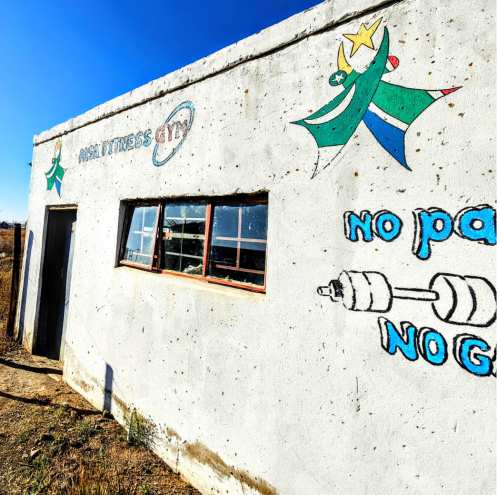
“We recently built a gym in Osizweni, providing necessary equipment, and we allow people to use the gym at no cost. The aim is to get youngsters off the streets and away from drugs and other criminal activities,” he shared. Additionally, the community has provided food hampers to approximately 80 families within Newcastle.
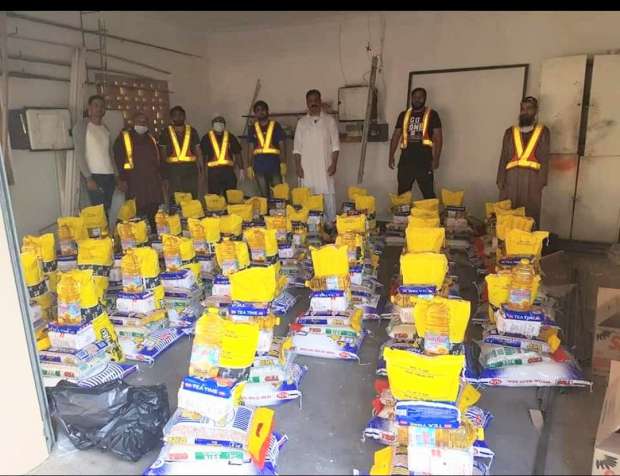
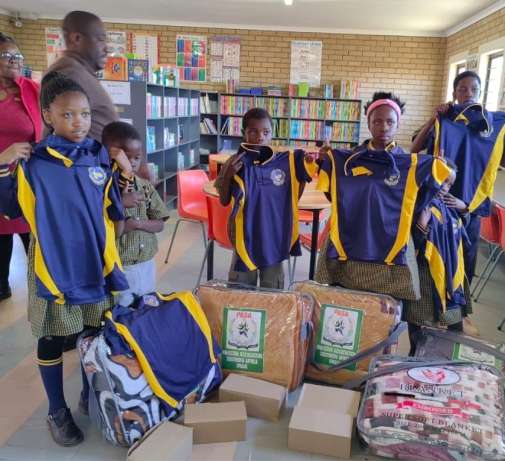
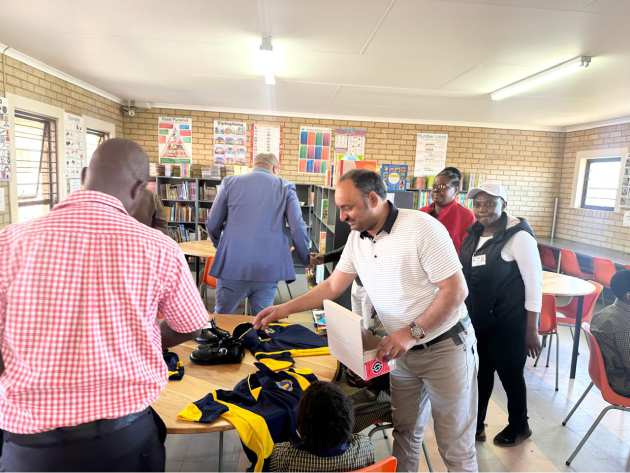
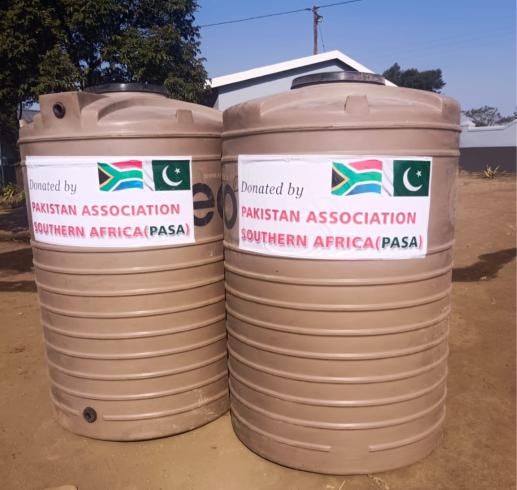
Zakria further explained that the Pakistani community runs initiatives to help people overcome drug addiction, assists rural schools with upgrading facilities, and collaborates with the Amajuba District SAPS on crime-fighting initiatives. “During COVID-19, we gave out free oxygen tanks to alleviate the strain on hospitals, and during the July 2021 unrest, we stood alongside the Newcastle community,” Zakria said. He also noted their relief efforts during Durban’s recent flooding, where the community sent 300 food hampers and water to affected residents.

Reflecting on the Pakistani community’s ongoing efforts to integrate and support local communities, Zakria appealed for a fair approach. He urged people to refrain from casting Pakistani nationals in a negative light unless there is concrete evidence of wrongdoing.
“This will ensure innocent lives are not impacted by those determined to stir hatred and racism within local towns,” he concluded.
As Pakistani nationals in Newcastle and across South Africa continue to face these challenges, the call for understanding and unity remains more vital than ever. What are your thoughts on this matter?
Share your views in the comments below.








One Response
This must be a PR joke.