


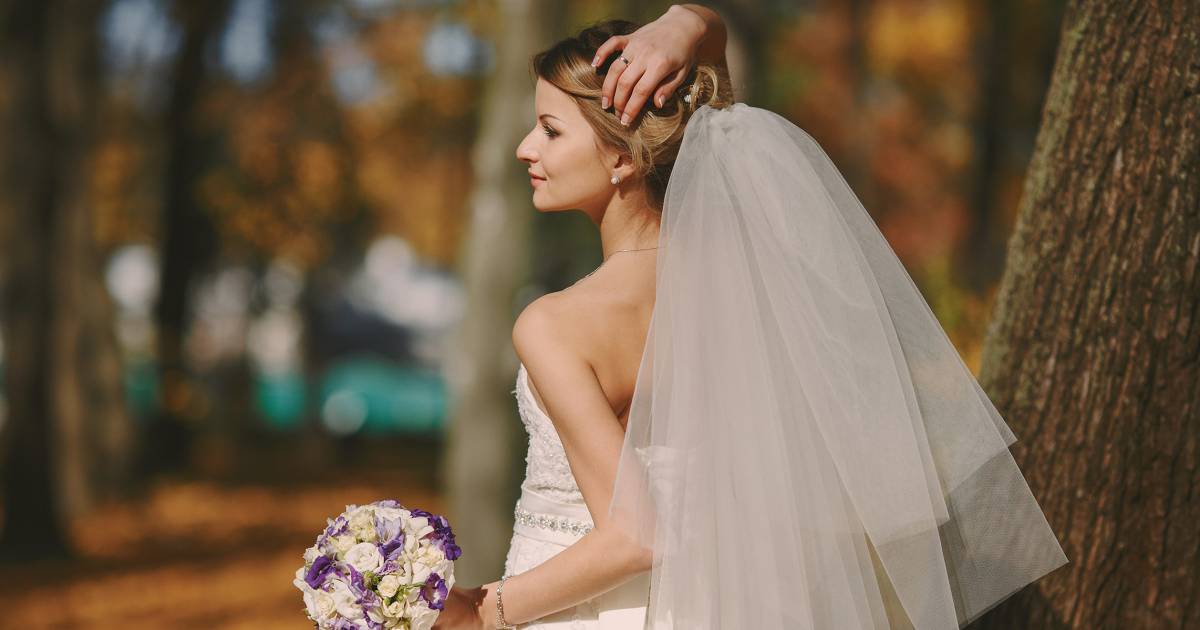
Weddings are times of immense joy and celebration, uniting two people through the bond of love. It is also a day deeply entwined with tradition, which modern couples embrace, often unaware of their rather unusual roots.

While some of these traditions stem from merely superstitious beliefs, others have historical links that have stood the test of time.
The Best Man – The Protector
The best man plays an essential role on the wedding day, supporting the groom-to-be every step of the way. However, centuries ago, men were not merely selected due to their close bond with the groom. In early Germanic tribes, the best man was often the groom’s strongest warrior companion, ensuring the bride’s safe passage to the wedding and protecting her from rival tribes or disapproving family members. In medieval Europe, the best man assisted in “bride capture,” ensuring she did not escape before the wedding. He might also stand guard outside the newlyweds’ home on their wedding night to ward off intruders (Reader’s Digest) (Brides).
The Bridesmaid – The Decoy and Witness
In ancient Roman times and the medieval period, bridesmaids served as protectors for the bride. They dressed similarly to the bride, acting as decoys to confuse and deter potential kidnappers or evil spirits. Bridesmaids also fulfilled the role of witnesses, as early Roman law required ten witnesses at a wedding to outsmart evil spirits and ensure the ceremony’s sanctity and legality (Brides).
Throwing the Bouquet – The Distraction
This tradition started as both a superstition and a distraction from rowdy guests. In ancient times, flowers were associated with fertility and good fortune, and throwing the bouquet was believed to pass these attributes to the guests. In medieval Europe, brides carried aromatic bouquets to ward off evil spirits and bad luck. Throwing the bouquet helped protect the bride’s dress by distracting guests who might otherwise grab pieces of her clothing as tokens of good luck (Reader’s Digest) (Brides).
The Wedding Veil – Protection from Bad Luck
In ancient Rome and Greece, the veil protected the bride from evil spirits. It was believed that the veil, often brightly coloured, concealed the bride from malevolent forces and envious gazes. This belief continued during the Middle Ages, with veils used to safeguard brides from evil spirits and bad luck, confusing or deterring these forces (Brides)
Something Old, Something New, Something Borrowed, Something Blue – Symbols of Good Luck
This popular wedding custom originates from an old English rhyme, believed to have come from the Victorian era. Weddings during this time were imbued with customs and superstitions meant to bring good luck and fortune to the couple. Each item in the rhyme was intended to bring specific benefits to the bride and groom’s marriage (Brides).
Wedding Rings – The Symbol of Eternity
The use of rings in marriage dates back to ancient Egypt, around 3,000 BCE. Egyptians regarded the circle as a symbol of eternity, representing eternal love and commitment. Early Egyptian rings were often made of braided reeds, hemp, or leather, while wealthier Egyptians used materials like ivory or bone. The ancient Romans also adopted this practice, using rings made of iron or “fede” rings, featuring clasped hands to symbolize union and fidelity (Reader’s Digest).
The Tossing of the Garter – Proof of Consummation and a Symbol of Luck
In some ancient cultures, the garter protected the bride from evil spirits. Wearing and removing it during the ceremony was thought to ward off bad luck and ensure a prosperous marriage. During the Middle Ages, the removal of the garter was part of a public display of the marriage being consummated, assuring guests that the marriage was legally binding (Reader’s Digest).
The Wedding Cake – A Link to Ancient Rome, Good Luck, and Fertility
The multi-tiered wedding cake became popular during the Victorian era. These elaborate cakes featured intricate icing designs, flowers, and other ornaments. However, the tradition dates back to ancient Rome, where a cake made of wheat or barley was broken over the bride’s head to symbolise fertility and prosperity. The couple then ate some of the crumbs together to ensure good fortune (Reader’s Digest) (Brides).
Tying the Knot – Not Just a Phrase
“Tying the knot” is a widely recognised phrase for getting married, retaining historical connotations of unity, commitment, and joining lives. One of the earliest origins comes from ancient Celtic and other European handfasting ceremonies, where the hands of the bride and groom were bound together with a ribbon or cord to symbolise their union. In ancient Rome, the bride wore a girdle tied in a knot, which the groom would untie during the ceremony, symbolising the groom taking over the care and protection of the bride (Reader’s Digest) (Brides).
Brides Stand on the Left – Just in Case the Groom Needs to Draw His Sword
The tradition of the bride standing on the left dates back to medieval Europe. It was customary for the groom to keep his right hand, also known as the “sword hand,” free to defend his bride from potential attackers. By standing on his left, the bride was kept out of the way of the groom’s dominant hand (Brides).

As a truly wonderful part of human culture, the world over, it is extraordinary to learn about the traditions surrounding weddings. Do you know of any traditions that we have not listed? Be sure to let us know in the comment section below.