


Estimated reading time: 8 minutes
Countless people now trust and rely on private security companies over the country’s police, the South African Police Service (SAPS).
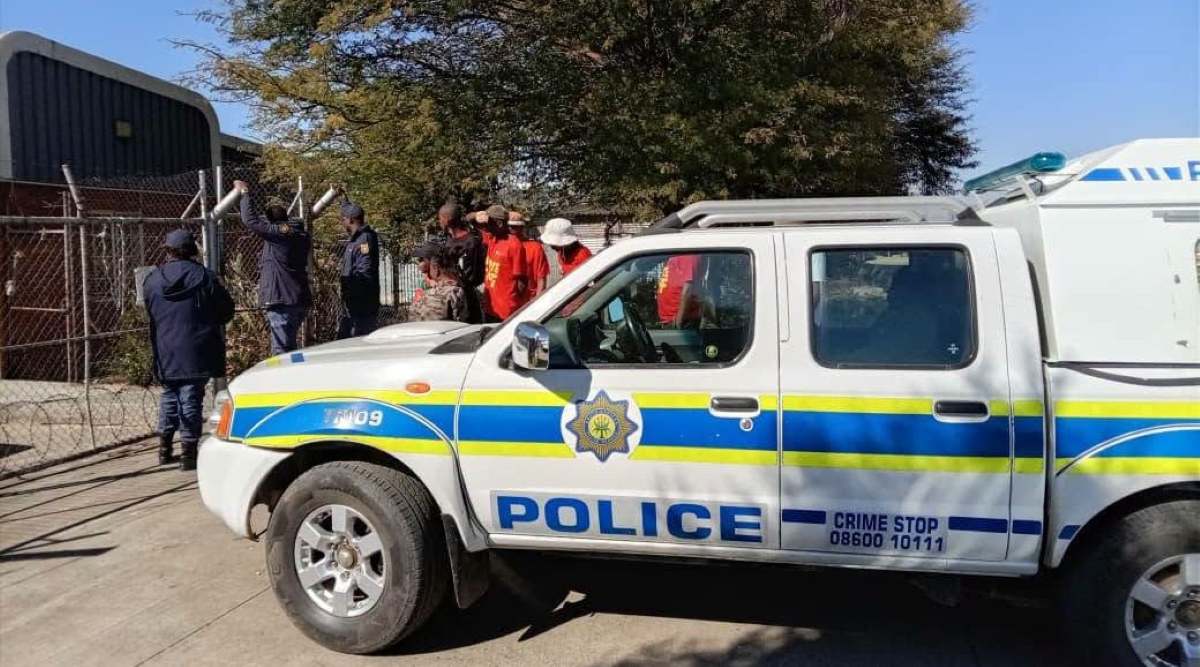
Likewise, it has become standard practice for the SAPS to depend on security companies to assist in various situations, from daily requirements to large scale events like the KZN looting.
Over the years, the Newcastillian – Online News has steadily reported on the decline of the police across Northern KwaZulu-Natal and the province. A good example of this comes out of Newcastle, whereby at the time, the advice given by the SAPS to deal with crime in the town was to get comfortable running shoes.
Click here to read the full story.

Nevertheless, South Africans remain concerned about their safety with 78% of citizens adding more security features to their homes in 2022. This is one of the Automobile Association’s (AA) 2022 State of Security Report (SoS Report) findings conducted in the first three months of the year.
In addition to reviewing current official crime statistics released by the government, researchers of the SoS Report also conducted a wide-ranging survey with 1473 respondents to determine direct feedback on personal security in South Africa. The study gauged the level of security experienced by South Africans before, during and after the nationwide lockdown.
The AA released the research results, and the complete SoS Report is available. Click the link to read more: https://bit.ly/3Ngf0GY.
According to official crime statistics, there was a considerable increase in, for instance, contact crimes and murders from the April-June 2021 period to the October-December 2021 period. Although sexual crimes decreased in the second quarter of 2021, these again increased significantly in the October-December 2021 period.
Another alarming official statistic is that robbery and burglary at residential properties also increased over the 2021 period. The most prevalent crimes experienced by South Africans include housebreaking and robbery.
CEO of the AA, Willem Groenewald, says, “These official statistics show the ongoing trend of growing crime in our country, and again highlight the need for South Africans to adopt additional safety measures to protect themselves, such as personal private security.”
According to the AA, this view is supported by the report’s findings, which suggests a high level of doubt in the efficacy of the South African Police Service (SAPS).
“The majority of the respondents indicated that they have more trust in private security than in the SAPS. This is of concern due to the fact that the majority of respondents have been victims of crime, have witnessed crime, and want to report these crimes, however, lack trust in the SAPS.”
The SoS Report also notes that respondents feel most safe within their own homes compared to public spaces, with many respondents saying they avoid public spaces as a direct result of fear for their personal safety.
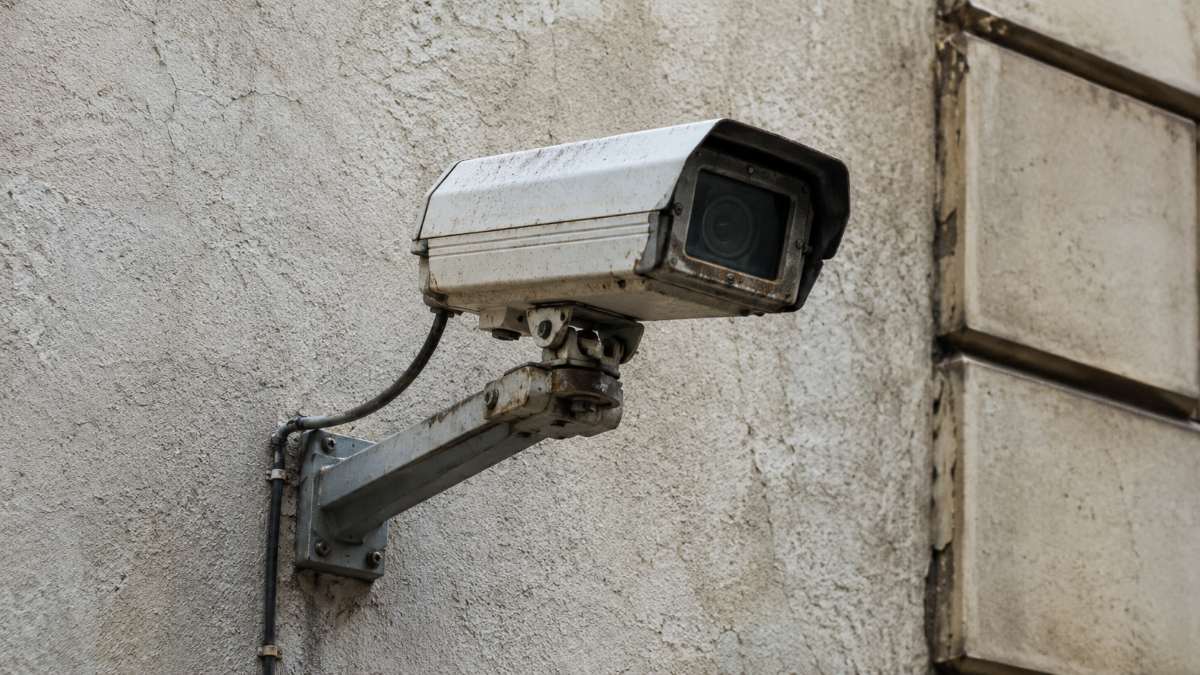
Many respondents also claim to have added a variety of safety features to their homes to improve their personal security. These include adding burglar bars, alarm systems, security cameras to their homes, and extra lighting on the outside of their homes.
Another key finding from the SoS Report is that respondents reported more concern for the physical safety of parents and children than other loved ones and themselves.
The report notes, “South Africans are less likely to acknowledge the possibility of their physical safety being infringed upon. Therefore, individuals will generally report more concern for their loved ones, than for themselves.”
Bringing the issue closer to home, the Newcastillian – Online News spoke to Jan van Rensburg of Magenta Security and Mornè Potgieter of Ithemba Security to establish how local security companies have grown over the past year, what they attributed the growth to and their relationship with local police.
Looking at security companies’ growth in Newcastle over the past year, van Rensburg stresses that the private sector has grown substantially, playing a significant role in combating crime.
Potgieter elaborates, “There is a need for security. We live in Africa and security is not a luxury anymore. It has become a necessity.”
However, while security companies find their business booming, van Rensburg and Potgieter highlight that they are working more closely with the police than ever before despite the growth in work.
One of the ways security companies work with law enforcement is through the E2 Initiative.
The Eyes and Ears Initiative (E2) is an official joint crime-fighting initiative between the SAPS, Business Against Crime South Africa (BACSA) and the Private Security Industry (PSI), whereby the PSI formally cooperates with the SAPS by relaying information directly to the Provincial Operational Command Centre (POCC) and in some instances, receiving such relevant information directly from it.
The PSI, through BACSA, has at least one representative on a 24/7 basis in the POCC. All PSI participants use the agreed Integrated Communications Platform (ICP), which uses the Push-To-Talk (HALO PTT) technology over a Cellular communication network and a Telegram/WhatsApp group to communicate with the PSI staff in the E2 POCC.
The objectives of the E2 Initiative are as follows:
- To enhance the situational awareness of the SAPS by using the Private Security Industry’s (PSI) geographical deployment footprint for the sharing of information.
- To enhance operational response to crime hotspot areas, violent crimes, TRIO crimes and with specific emphasis on crimes that are heavily dependent on situational information and a shared concern for both the SAPS and the PSI.
- To allow for the PSI to assist each other (and SAPS) were needed in a non-commercial and non-competitive capacity.
Potgieter explains that Ithemba Security registered with the E2 Initiative back in 2019, the first security company in Newcastle to do so. “The initiative consists of a perfect unity between the SAPS and private security companies, everyone joining hands to combat crime.”
Through E2, Potgieter says security companies are hoping to eventually see security staff in local police station’s radio rooms so that when a crime is committed, security companies and the police can respond as one and neutralise the criminal element.
With the SAPS relying more and more on security companies, van Rensburg emphasises that the police cannot be solely blamed for the current state of affairs.
“The SAPS will not be able to solve a lot of crime without security companies. I do not blame the SAPS for this, but rather the circumstances they find themselves in.”
Van Rensburg further states that the circumstances often involve a lack of resources, putting constraints on the police. Among the lack of resources, van Rensburg explains, is the lack of vehicles available to the local police officers.
The lack of police vehicles was recently highlighted by the Newcastillian – Online News, where we explained that out of the 4 227 KZN SAPS vehicles, a staggering 1 716 were currently in repairs.
To read the full article, click here.
In addition, van Rensburg highlighted that a lack of police workforce and municipal bylaws not being implemented correctly also sees greater reliance placed on private security companies.
Through security companies assisting with manpower, Potgieter explains that the police can ensure crime scenes are dealt with correctly.
Also, he adds that security companies have more resources on hand than the police often do. This includes technological tools and a staff complement now outnumbering the SAPS workforce by approximately four to five times.
Van Rensburg adds, “Security companies are also the first responders when crime is reported.”
Furthermore, Potgieter stresses that one of the reasons Newcastillians find themselves respecting security companies more is due to the standard of its employees.
“Security companies put more into their staff, especially in terms of training, skills development, and discipline. If you want to be able to do a good job, you need to see your staff as valuable assets and provide them with the necessary skills to accomplish their task.”
However, Potgieter emphasises that while the police will not be able to solve many cases without the assistance of private security companies, it is important to realise that security companies also rely heavily on the assistance of the police.
With this said and done, the Newcastillian – Online News turned to the Newcastle SAPS and the KZN Provincial SAPS for their take on this.
The main focus points of the media enquiry were to establish the challenges the SAPS was facing, including the lack of resources, which resulted in them relying more and more on security companies.
In addition to this, the Newcastillian – Online News asked how the police sector has changed, resulting in it relying more and more on security companies and what were they doing to remedy the situation.
In response, Newcastle SAPS opted to remain silent on the subject. However, while answering the media enquiries, KZN Police Spokesperson Lieutenant Colonel Nqobile Gwala sidestepped the questions.
She said, “Fighting crime in the province is everybody’s responsibility. Community members are also playing a vital role in reporting criminal activities. The SAPS is working closely with other crime-fighting structures like security companies, neighbourhood watch, community policing forums and other crime-fighting structures. Being part of the community policing is voluntary.”
With the police dodging the issue, it has become apparent why communities rely heavily on security companies—providing us insight into the future of SA.
Regarding the above-mentioned, what are your thoughts?
Share your views in the comment section below.
RELATED NEWS