

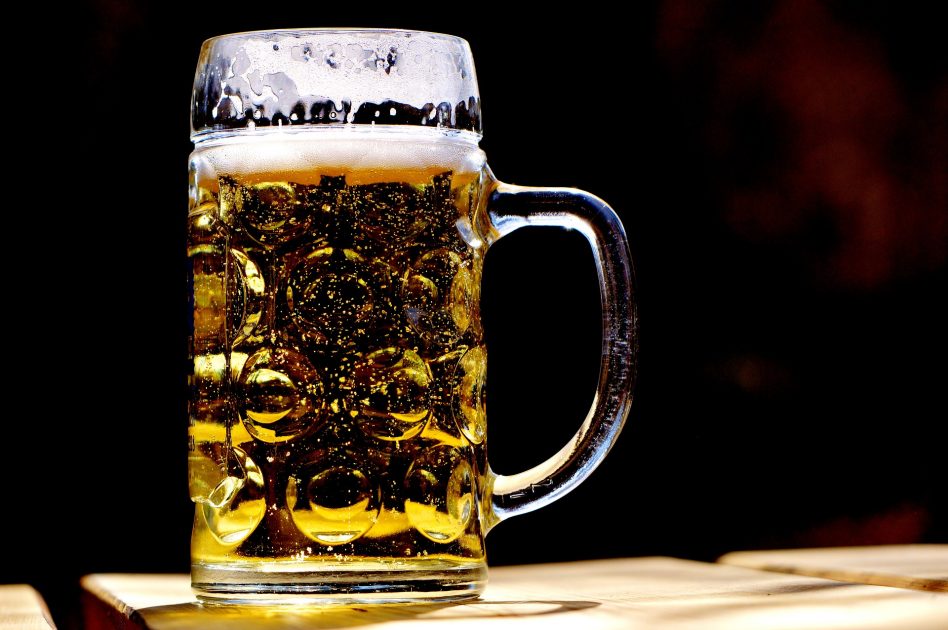
As a proud drinking nation, South Africa has a rooted history within the alcoholic beverage industry. This can be noted through the endless alcohol sponsored events and promotions, but more so, by the heritage, these alcohol brands hold within the country such as being the main sponsor to some of the healthiest people in the country, sports teams.
Drinker or not, the reality exists—from supporting mass farming to empowering thousands of businesses, without this giant, our country’s economy would bleed. However, there is an adverse side to this money generating industry, and this can be witnessed when referring to the staggering amount of crime associated with alcohol abuse.
Wherever you land on the topic, one thing is certain the Government has not shifted its sights off of the industry since the higher levels of Lockdown were in place. This follows the Commission for Gender Equality (CGE) recommending the Government looks at further regulations around the sale of alcohol in the country. According to CGE, this is in response to high levels of gender-based violence currently being noted throughout the country.
Such is the situation; the CGE claims South Africa is rated among the countries with the highest number of Gender-Based Violence and Femicide cases in the world. The Commission expounds, “According to the study by the South African Medical Research Council, one in three women are likely to suffer abuse at the hands of a partner. The same study further indicates that one in six women are likely to die at the hands of their partners. This, in part, is attributed to alcohol and substance abuse.”
Focusing on the links between Gender-Based Violence and alcohol, the CGE will be hosting a webinar on Thursday, 12 November 2020, where it will present its findings in an attempt to highlight the need to have a “sober discussion” around alcohol and substance abuse.
While intending to raise awareness about the situation, the Commission is bringing a series of recommendations to curb the growing problem. Which are as follows:
- Introducing a minimum unit pricing on the sale of alcohol; this includes increasing the excise tax on the price of alcohol. The Commission explains the reasoning behind this decision, stating, “For instance, studies have indicated how a 10% increase in prices causes a 4.4% fall in consumption.”
- Additional taxing: CGE points out, a similar meta-analysis of the impact of altering alcohol tax shows that a doubling of tax led to a 35% reduction in alcohol-related mortality.
- Harsher punishments: The Commission recommends the Government and law enforcement agencies must adopt a more stringent approach to deal with alcohol abuse, focusing on stricter enforcement of legislation when dealing with alcohol-related cases. This includes withholding licences from liquor traders who do not comply with implemented legislation.
While the Commission is convinced the deliberations from the Webinar will assist the country in developing appropriate policy and programme interventions, will these measures genuinely address the issue of gender-based violence? Is alcohol the cause or the catalyst? Is it something far more profound?
Share your thoughts with us in the comment section below.
Authors: Quinton Boucher & Calvin Swemmer
Edited: Calvin Swemmer