

The necessity for not only more effective policing but simultaneously, better evidence collection should without question be at the forefront of Government’s “to-do list” due to the country’s extremely troubling levels of crime.
Therefore in order to see development on this, the Civilian Secretariat for Police (an organisation which serves as technical advisor to the Minister of Police) has provided an update on several proposed pieces of legislation it is considering to submit to Parliament this week. This includes a new bill which can allow for the tracking of South Africans from the moment of their birth—and will serve the country in fighting crime.
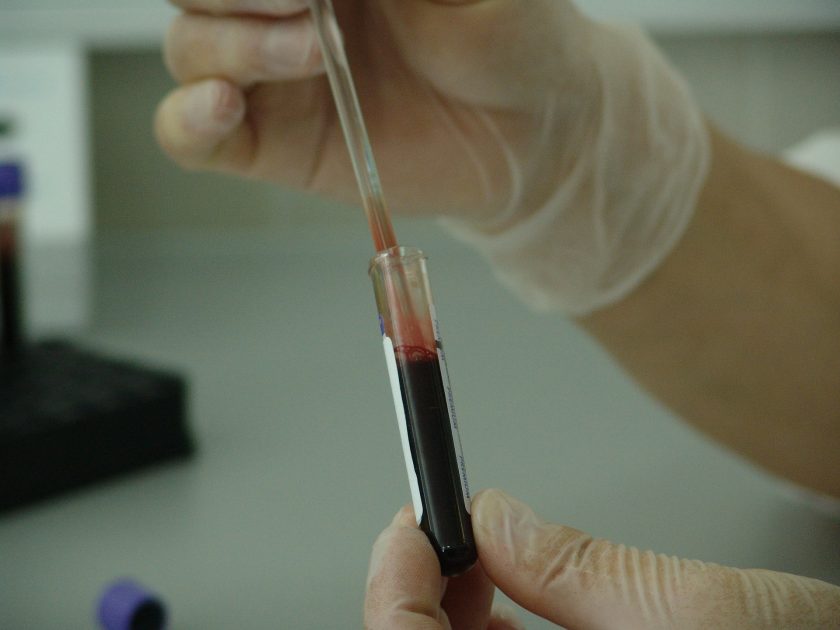
In January 2015, the Criminal Law (Forensic Procedures) Amendment Act came into effect. This Act allows authorities to take buccal samples – a sample of a person’s saliva obtained from the person’s mouth – from all convicted Schedule 8 offenders, which includes sex offenders. The purpose of this allows for forensic DNA analysis to be more proficient.
The main focus of the updated Bill is to reinforce legislation for the criminal element. It is also meant to guarantee the prosecution of repeat offenders—this, being a huge selling point.
Initially, the Bill was put on the backburner. This was to allow the Home Affairs minister to investigate the viability of the extension of buccal sampling to all South Africans, not just the criminal element, including taking samples from new-born babies.
According to Civilian Secretariat for Police, these samples will be used similarly as the finger-printing process, which assists in the identification of a missing person and of course, investigating a crime.
The DNA samples will be checked against government databases, such as those of the Department of Home Affairs and Department of Transport.
However, the golden question to ask oneself, is this actually feasible in South Africa, as it would not only require encouraging legislation from both Home Affairs and the SAPS but would also need immense human resources and no room for error?
While this is aimed at combatting the high levels of crime currently being endured by South Africans—one mistake in processing the DNA samples correctly could see an innocent person sitting behind bars for a crime they did not even know about, let alone commit.
As the Bill hangs in suspension and conspiracists put on their tinfoil hats, what are your thoughts on the matter?
Author: Quinton Boucher
Edited: Calvin Swemmer