



What Police Minister Bheki Cele describes as a “second pandemic,” is now seeing small communities such as those found in Osizweni, Northern KwaZulu-Natal landing on the 30-top gender-based violence hotspots in South Africa. This Government initiative offers some disheartening insight into the lives of many.
During a briefing on Tuesday, 22 September 2020, Cele stated, the list was compiled based on nine key variables, including the number of cases reported to the SAPS during the 2019/2020 financial year. These cases include rape, human trafficking for sexual offences, as well as kidnapping for sexual offence, domestic-related and human trafficking.
Additionally, figures of reported domestic violence-related cases of murder, rape, attempted murder and assault (GBH) were also considered when compiling this list.
The hotspots list includes eight other variables such as calls pertaining to Domestic Violence and Gender-based Violence which were received.
Cele points out, “Data was also included from victim support services, such as Thuthuzela Centers, health facilities and other data from other departments that paint a picture of GBV in a particular area.”
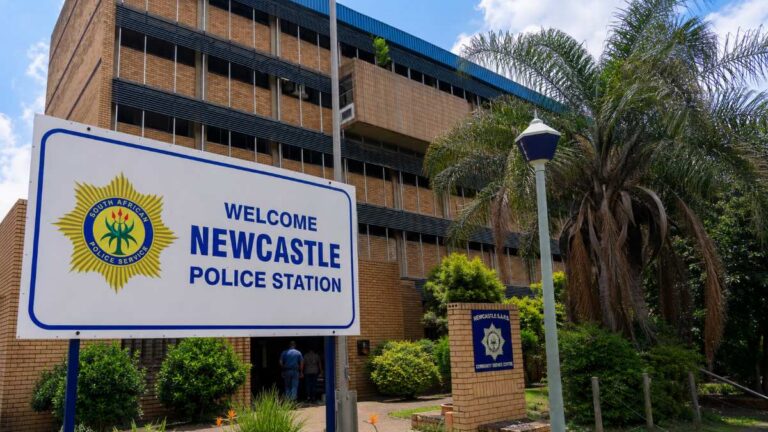
Furthermore, Cele assures GBV remains a priority crime for the SAPS, which also continue to have a sustained public awareness and community-based campaigns at the identified areas. In light of this, all police stations in the identified areas are expected to have a permanent desk dedicated to GBV.
Going on to offer the public some comfort, “This will go a long way in ensuring victims of gender crimes are responded to by trained officers in a professional way. The dedicated desk will reduce the risk of ill-treatment at the hands of officers, as we have seen in some instances,” explains Cele.
As the SAPS and government look at addressing GBV, Cele admits Government officials are fully aware that police will not be able to rid the country of the problem alone.
However, he guarantees the SAPS will continue to strengthen their response to GBV. Emphasising, “The approach must promote accountability and ensure that all victims and survivors of GBV have access to justice.”
When looking at the list, Delft comes in at first place, followed by Mamelodi East and Tembisa in second and third place respectively. But when looking at the Amajuba District, Osizweni takes 21st position.
In closing, Cele states, the SAPS is aware the identification of these hotspots does not void other areas.“This is why provinces are strongly encouraged to look at their own localised hotspots and ensure victim-centred service delivery in all corners of the country.”
Authors: Quinton Boucher and Calvin Swemmer
Edited: Calvin Swemmer