Since the implementation of the nationwide lockdown, South Africans are slowly seeing their freedom slip away, an already fragile freedom for most.
No inter-provincial travelling without the necessary permits, curfews leaving us imprisoned in our own homes in the evenings, coupled with this concerning reality, of adults being told what they can ingest by Government, has pushed most to their wits end. Then there are simple public freedoms such as holding hands or hugging a loved one, which are now just fading memories.
However, while the government enforces a range of regulations, how are we as a community contributing to the problem? How much responsibility must we, the average- Jane or Joe, take for the constant onslaught of new protocols being implemented? Yes, every time we are negligent and ignore basic safety during a virus pandemic of this proportion and increase infection numbers, we help the Government in motivating regulations, good and bad.
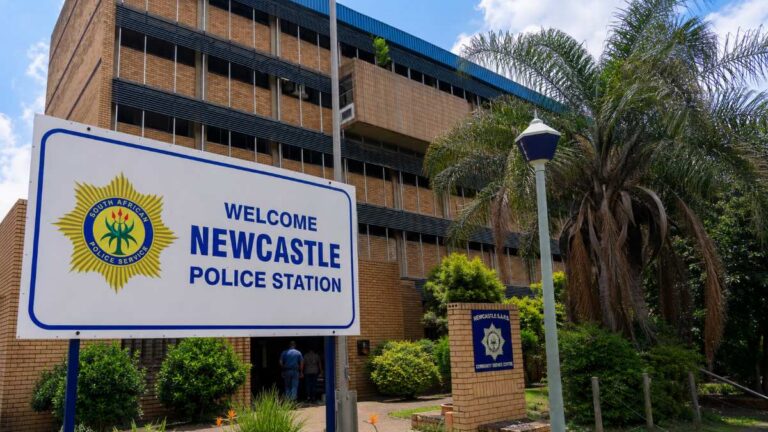
As individuals and as communities, we need to get these numbers down and after speaking with the Acting Station Commander for the Newcastle Police Station, Colonel Michael Msebenzi Nkosi, it is clear that some are adhering to the rules and others see themselves above the regulations. This is what the SAPS Station Commander had to say on the subject:
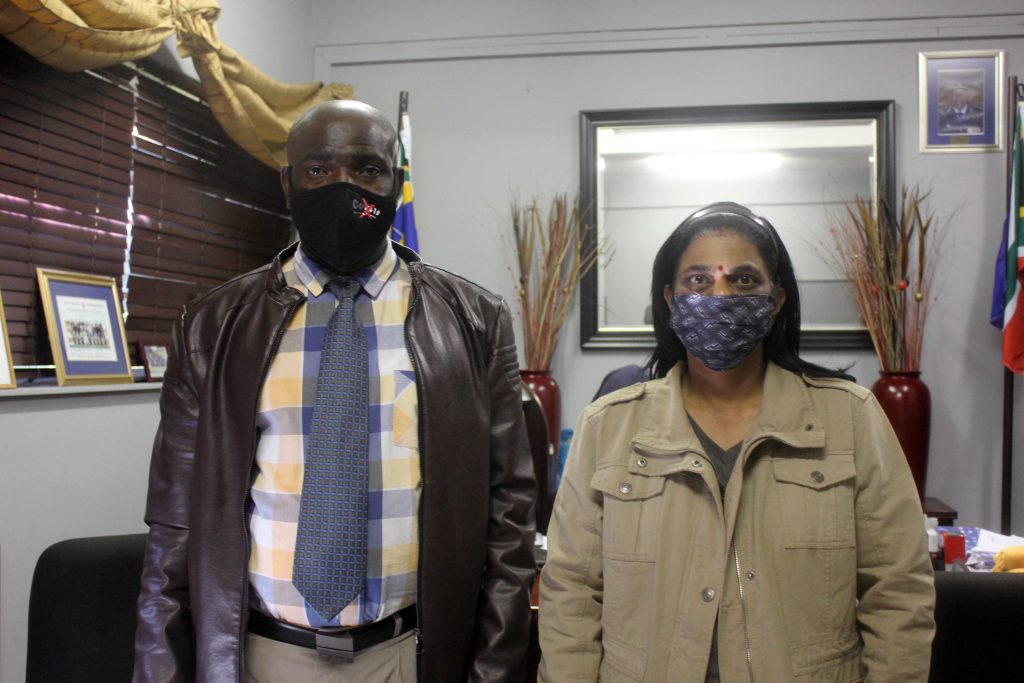
What is the general attitude of the community? How well are Newcastillians responding to the police and regulations?
“The Newcastle community is co-operating rather well. People are starting to realise this virus is dangerous and can kill people. However, we do find people are not wearing their facemasks properly in town. They will have it on, but it will be placed under their chin, which does not help at all,” Col Nkosi says.
This results in police having to correct locals on “how to wear a mask”, a common task which adults should not have to reminded of.
Then there is the curfew. Are people abiding by the 10 pm to 4 am curfew?
Col Nkosi smiles and says the larger part of Newcastle is abiding by the curfew. However, there is the occasional individual who does take a chance.
“But generally, people in town are abiding by the curfew. We find that certain residents from Madadeni, Osizweni and the Utrecht area are more likely to break the curfew.”
According to the police, what is the general attitude of businesses towards the pandemic?
Col Nkosi stresses local businesses are the most co-operative. This, he says can be seen by businesses and stores not allowing people into their premises without facemasks.
“There are some stores and businesses which don’t even allow small children into their premises, as they are vulnerable.”
While businesses do their best to abide by the regulations, Col Nkosi claims there are those who ignore the protocols.
“This is where they sell tobacco and alcohol products as individuals or as their business, despite what the National Disaster Management Act says.”
However, despite the SAPS coming down on these perpetrators, what about police officers who smoke? What about the police officers who smoke openly, in full uniform while driving State vehicles? Does the law not apply to them?
Col Nkosi says this will not be tolerated. “How can people expect us to execute the necessary orders when we are not complying? A police officer or not, the sale of cigarettes is not allowed. The community should come forward to report these officers.”
Good advice from the Colonel, seeing as though the Newcastillian has received correspondence from various people stating they have seen police personnel smoking freely.
While encouraging the community to step forward to report officers, will this truly help? Will the offending officers face disciplinary action?
Col Nkosi assures offending officers will be punished and people should not fear being victimised.
“People can phone the 0800 10111 number to report these police officers, which can be done anonymously. Or you can phone me on 082 558 1374 if you see an officer smoking.”
Giving the community direct access to him, Col Nkosi is ensuring police officers cannot hide behind their badge and smoke freely.
While focusing on the criminal side of the lockdown, the pandemic is wreaking havoc on the economy, seeing many businesses now facing closure, staff retrenchments, all due to gross amounts of lost revenue. The concern being, as unemployment increases, so does crime.
Are the Newcastle police prepared for the inevitable spike in crime? What plans of action do they have in place?
As the unemployment rate increases, Col Nkosi says it can be difficult to link crime and job loss. “We will first need to look at the crimes, which areas the crimes are being committed in and who the perpetrators are,” he explains.
However, he emphasises that the Newcastle police are fully prepared for any potential increase in crime.
“We work closely with CPFs (Community Policing Forums), a number of security companies, public community watches and informers. We have several sources and informants. Furthermore, we also have other plans set aside in case of a hike in crime,” he assures.
While not divulging too much in what these plans are, following the recent increase in burglaries, Col Nkosi enthuses that the local SAPS is determined to clamp down on perpetrators.
As the police focus on the implementation of the lockdown regulations, Newcastillians are encouraged to abide by the law. This will not only help curb the spread of the virus but will result in the government having no option but to start relaxing the regulations.
Author: Quinton Boucher
Edited: Calvin Swemmer