

A mother’s worst nightmare. Her child snatched away by a stranger. In an instant, her child now faces unimaginable horrors at the hands of a potential child trafficker or paedophile.
Human trafficking is a harsh reality of society. Women and children the most vulnerable victims, with perpetrators laying in wait for the ideal time to pounce.
On July 17, the 10-year-old Miguel Louw from Sydenham, Durban, was kidnapped. Trafficking the first thought in officials’ minds.
Following Miguel’s kidnapping and death, social media is now ablaze. South Africans determined to spread the word on protecting our children. From safety tips straight to videos of men trying to grab a child from his father’s arms, social media is spreading the word.
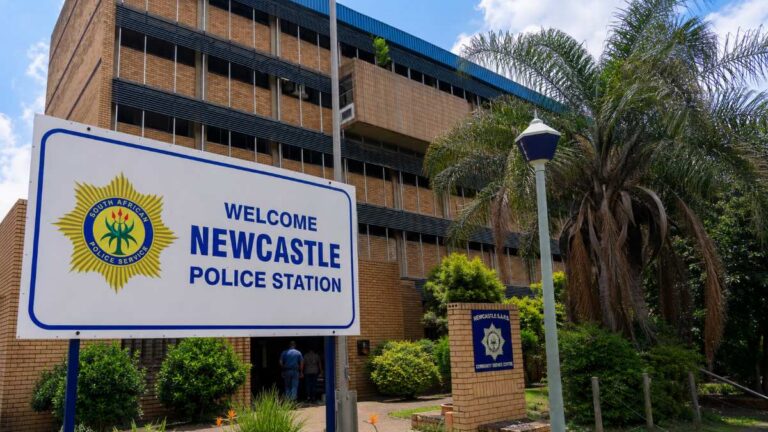
The Newcastle SAPS will be marching against child trafficking and police murders today, September 26. No longer can the community turn a blind eye. The march is set to start at Newcastle Police Station and work its way up to Allen Street.
The march will also focus on the number of police murders in South Africa. The men and women who literally risk their lives to ensure justice prevails in our country.
But just how safe are your children from human traffickers in Newcastle?
Detective Captain Nagesh Moothilal of the Family Violence, Child Protection and Sexual Offences (FCS) Unit, states the Newcastle area seems to remain relatively untarnished with only one kidnapping this year.
On August 3, nine-month-old Luyanda Ndlamlenze was kidnapped from her mother in oSizweni. The suspect vanishing in an instant, leaving the infant’s mother frantic.
Despite this horrid incident, Detective Captain Moothilal says this is the only case to date. “It is difficult to differentiate between kidnapping and trafficking. With missing Luyanda, we cannot say if she has been trafficked or not, as we don’t know where she is.”
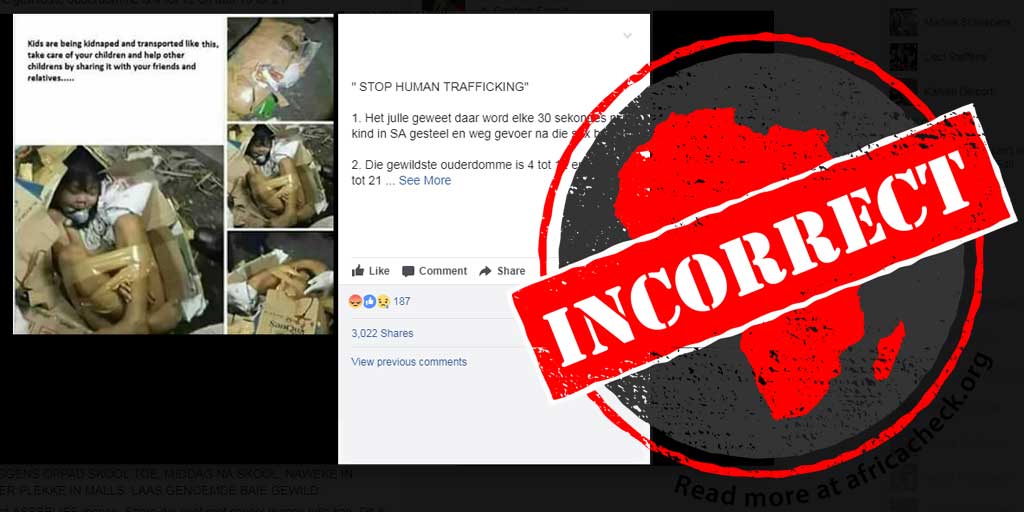
Social media is playing an instrumental role in creating a certain degree of fear around trafficking. An example of social media creating panic could be seen yesterday, September 25. A WhatsApp message surfaced claiming a woman was kidnapped by five men at a local shopping centre in Newcastle. Her kidnapping a new way human traffickers were operating. The message is, unfortunately, a fraudulent message, meant to create fear in our town.
As a serious crime, it is imperative for people to research the facts of articles pertaining to child trafficking. This ensures paranoia is not spread and innocent people are not hurt.
“At the moment, we are investigating a lot of missing person cases. But, a lot of these cases involve runaways,” says Detective Captain Moothilal.
Furthermore, a lot of teenagers are opening false rape and kidnapping cases. This usually involves teenagers who would rather open a false case, than explain to their parents and guardians that they went somewhere to meet with an older boyfriend or other friends.
“These cases are rather common, with many of the teenagers either withdrawing their case or simply leaving it, allowing the police to continue investigating a case where they know there is no actual suspect. What we are doing now, is pressing charges against these girls who open false cases.”
False cases result in the police wasting valuable resources and time. But, this is not the only negative aspect of opening false cases.
“These girls are running the risk of unwanted teen pregnancy, having a criminal record, drug and alcohol abuse, as well as making themselves vulnerable to actual traffickers. By going to a tavern, these girls are exposing themselves to potential traffickers who are at the premises.”
While trafficking is not an issue in Newcastle, Moothilal encourages parents to monitor their children’s movements and social media activities. “Also make sure that if your child needs to travel somewhere without you, they do so with reputable people. At the mall, keep your eye on your children at all times.”
The most important advice Moothilal shares with parents is that of their own social media activities. “Refrain from placing photos of your child on social media, as it is a playground for traffickers. Traffickers take orders from their ‘clients’. They then get all the information on your children from social media.”
With social media giving your child’s identity, whereabouts and other personal information to outsiders, child traffickers can snatch your child with relative ease.
By practising caution and vigilance, you can ensure you minimise potential predators targeting your child.