Chinese business owners operating in Johannesburg have pledged to uphold “lawful and compliant” business practices following an engagement with the Department of Employment and Labour and representatives of the Chinese Diplomatic Corps.
The meeting, convened as part of efforts to address persistent labour law violations, underscored that continued non-compliance would invite firm legal consequences.

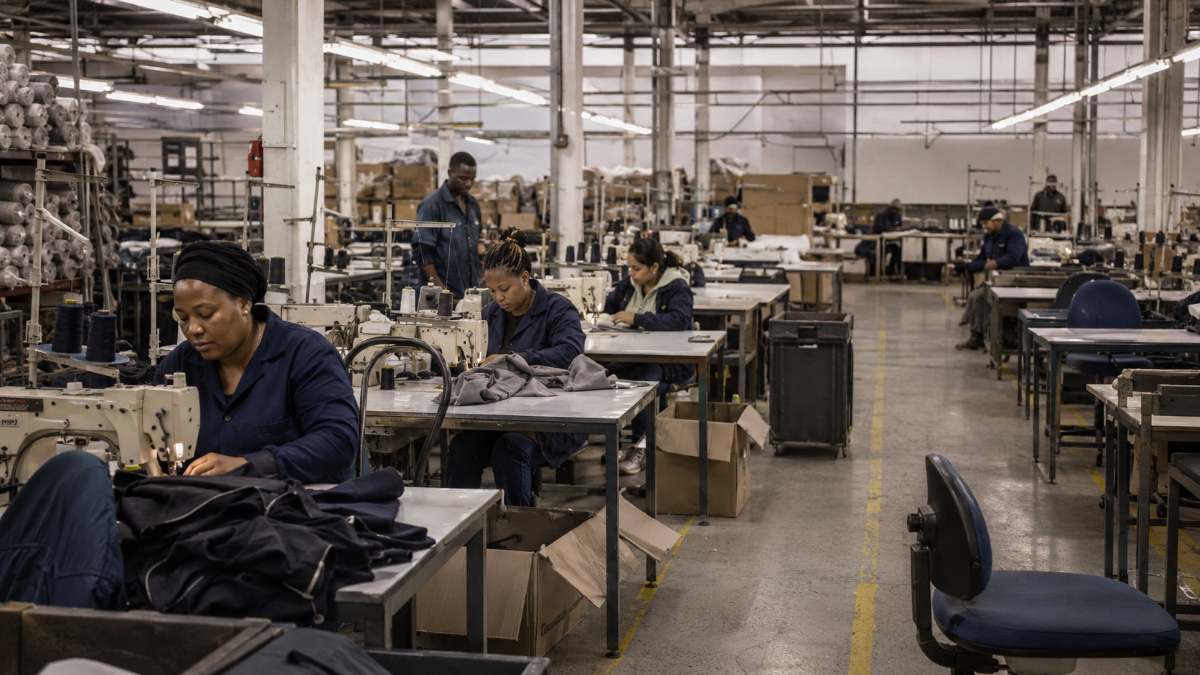
The Department’s Inspection and Enforcement Services (IES) has, in recent years, flagged a range of serious contraventions among some Chinese-owned enterprises, including the employment of undocumented foreign nationals, instances of child labour, sub-minimum wages, and failures to register workers with the Unemployment Insurance Fund (UIF) and Compensation Fund.
Authorities have also raised the alarm over exploitative and unsafe working conditions, with some workers reportedly housed in tightly controlled environments and subjected to hazardous or unsuitable labour practices.
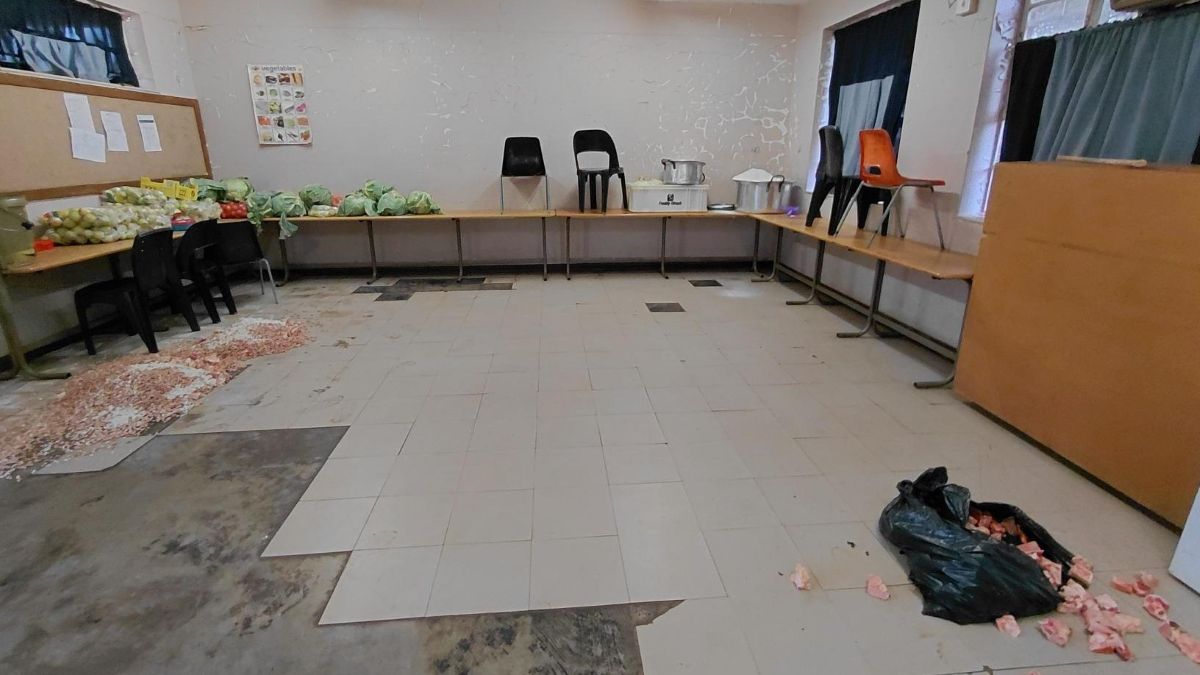
These concerns were further amplified following oversight raids in Newcastle by the Parliamentary Committee on Employment and Labour. The inspections exposed severe working and living conditions within parts of the clothing and textile sector, triggering national scrutiny over labour exploitation and supply-chain accountability.
Addressing the session, Deputy Minister Jomo Sibiya said the engagement stemmed from discussions initiated in December 2025, when the Department first raised concerns with Chinese diplomatic representatives in Pretoria.
He described the intervention as long overdue, citing firsthand observations of worker conditions in textile hubs such as Mandeni and Newcastle.
“What is happening in Newcastle is not something we want to see across the country. The dignity of our people is trampled. We would rather not have investment if our people are trampled,” Sibiya said.
The session coincided with a Chinese-led initiative termed “Publicity Week on Lawful and Compliant Operations,” during which business owners committed to a series of corrective measures. These include adherence to immigration laws, prioritising lawful employment of local workers, formalising employment contracts, complying with wage and social security obligations, and ensuring occupational health and safety standards are met.
Additional undertakings covered lawful dispute resolution, compliance with product and food safety regulations, accurate financial reporting, tax compliance, and broader adherence to South African legal frameworks.
Furthermore, Sibiya stressed that violations of labour laws erode worker dignity, distort fair competition, and threaten economic stability. He emphasised that safe working conditions, fair wages, and proper compensation for workplace injuries must be non-negotiable.
Johannesburg China Mall Chairman Xu Changbin affirmed that compliance is central to sustainable business operations, adding that Chinese enterprises recognise their responsibility to operate within South Africa’s legal and regulatory framework.
Ultimately, the commitments made by Chinese business owners signal a critical inflection point in South Africa’s attempt to restore integrity within its labour market — particularly in embattled hubs such as Newcastle. As reported by Newcastillian News, investigations and parliamentary oversight have laid bare a pattern of systemic abuse, with prior probes detailing exploitative conditions, unlawful employment practices, and wages far below legal thresholds, alongside unsafe and inhumane living environments for workers.
These revelations have not only triggered enforcement action, including arrests, factory closures, and prohibition notices, but have also exposed deeper failures in supply-chain accountability, drawing retailers and regulators into a widening net of scrutiny.
However, as enforcement intensifies, a complex tension is emerging between regulatory accountability and economic sustainability.
While penalties and interventions, including significant financial sanctions and sustained inspection blitzes, are intended to correct non-compliance, they have also raised concerns among some factory owners about operational viability and a potential withdrawal of investment from key manufacturing regions.
The path forward will therefore depend on whether authorities can strike a balance between decisive enforcement and constructive industry support, ensuring that compliance does not come at the cost of economic collapse. As Sibiya emphasised, the ultimate measure of success will lie in whether these commitments translate into tangible improvements in worker dignity, fair labour practices, and sustainable industrial growth — rather than remaining aspirational promises in the face of longstanding systemic violations.
What do you think about all of this? Let us know below.
Be sure to read:
The meeting was held to address ongoing concerns around labour law violations, including the employment of undocumented foreign nationals, child labour, low wages, and failures to comply with UIF, Compensation Fund, and workplace safety requirements.
Chinese-owned businesses in South Africa have come under scrutiny after authorities identified serious labour law concerns, including the alleged employment of undocumented foreign nationals, sub-minimum wages, poor working conditions, and failures to register workers for UIF and Compensation Fund benefits.
Following engagement with the Department of Employment and Labour and the Chinese Diplomatic Corps, Chinese business owners pledged to follow lawful and compliant business practices, including proper worker contracts, wage compliance, occupational health and safety standards, and adherence to South African immigration and tax laws.
Authorities have pointed to exploitative labour practices, unsafe working environments, possible immigration violations, sub-minimum wages, and in some cases poor living conditions linked to certain operations in the clothing and textile sector.
Newcastle became a national focal point after parliamentary oversight inspections exposed severe working and living conditions in parts of the local textile industry, prompting broader scrutiny of labour practices and supply-chain accountability.
They have pledged to operate lawfully and in compliance with South African regulations, including proper employment practices, legal wages, social security registration, immigration compliance, workplace safety, and broader adherence to local laws.