

Barloworld has exited the public market after more than eight decades on the Johannesburg Stock Exchange. A consortium led by Saudi Arabia’s Zahid Group has taken control of the 124-year-old industrial group in a transaction valued at R23 billion.
The deal concluded through a standby offer made to shareholders at R120 per share.

97.6% of shareholders accepted the offer. That threshold allowed the consortium to invoke a Section 123 compulsory acquisition in terms of the Companies Act, enabling the buyers to acquire the remaining shares.
With all shares transferred to the acquiring entity, Barloworld delisted from both the JSE and A2X on 27 January 2026, formally closing a public listing that spanned more than 80 years.
The acquiring vehicle, referred to as Newco, combines two parties. Gulf Falcon Holding, a subsidiary of Zahid Group, forms the international ownership side. Entsha, a company linked to Barloworld Chief Executive Officer Dominic Sewela, forms the local component. The structure keeps existing leadership involved while introducing foreign ownership and capital into the group.
Barloworld traces its roots back to 1902.
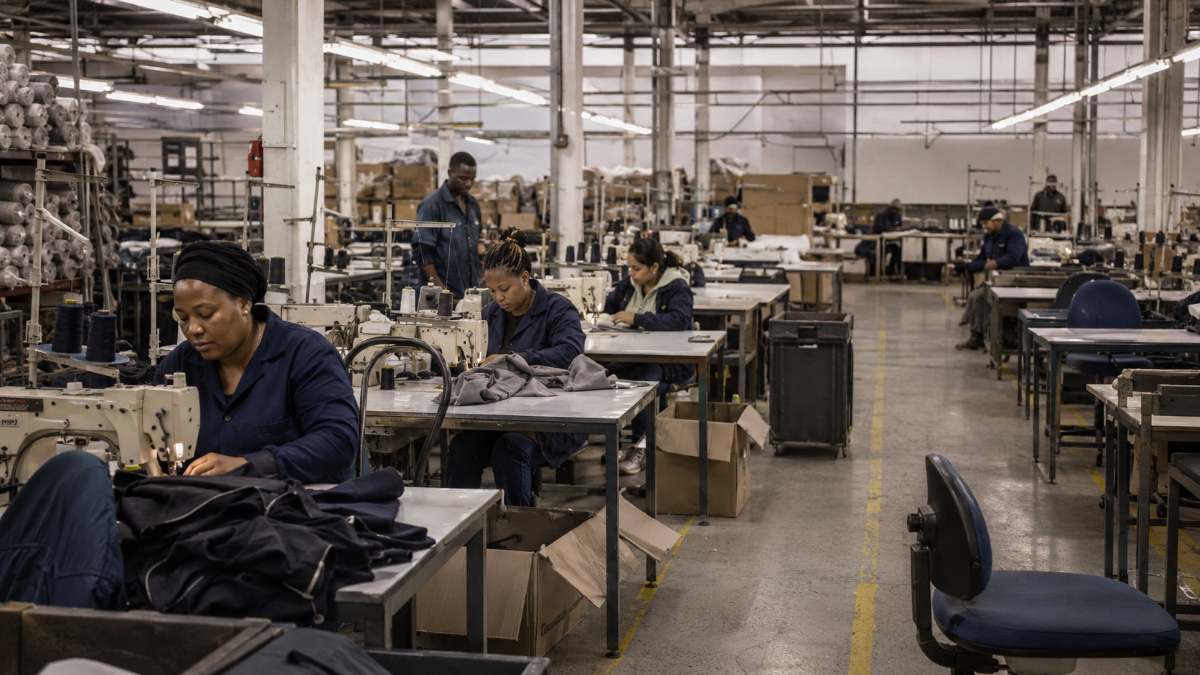
Over more than a century, it built a reputation in sectors that sit behind the region’s largest industrial activity. Many in the market know the group through Barloworld Equipment, which holds the exclusive Caterpillar dealership for Southern Africa. Through that network, mines, construction firms, and infrastructure projects depend on Barloworld equipment, parts, and servicing every day.
The group also operates Barloworld Logistics, which supports complex industrial and supply chain movements across multiple sectors, and Ingrain, its starch and ingredients business that serves food and industrial markets. These divisions place Barloworld inside mining operations, civil engineering projects, manufacturing plants, distribution networks, and energy developments throughout the region.
In explaining the move to a private structure, Sewela pointed to the increasing demands placed on listed companies.
He referenced regulatory requirements, constant market disclosures, and frequent engagement with analysts and asset managers. He indicated that those demands diverted management attention away from operational priorities and customer focus.
He further stated that the private structure would allow management to concentrate on long-term strategy, operational performance, and service delivery without the daily pressures attached to stock-market expectations.
The transaction does not signal an operational change for Barloworld. The company retains its name, management team, staff complement, and regional footprint. Only the ownership structure and listing status have changed.

For many in the business community, Barloworld’s departure from the JSE marks the end of a long public chapter for one of South Africa’s most recognisable industrial names.
The R23 billion acquisition now places the company under private ownership backed by Saudi capital, while maintaining continuity through its existing leadership and operations across Southern Africa.
What are your thoughts on this? Let us know below
While you are here, remember to read, US$1.39m Extension Keeps Newcastle Karbochem Plant Option Alive for Power and Gold Roasting, if you missed it.